AI-Native Studios Can Build IP, VFX Veteran Tells Busan Panel
The 30-Second Skim
- What happened: At Busan's Asian Film Market, VFX veteran Hong Jae Cheol argued that AI-native studios can build original IP through automated pipelines while traditional studios retain advantages in franchises and distribution, framing AI as a hybrid production tool rather than a replacement for human filmmaking.
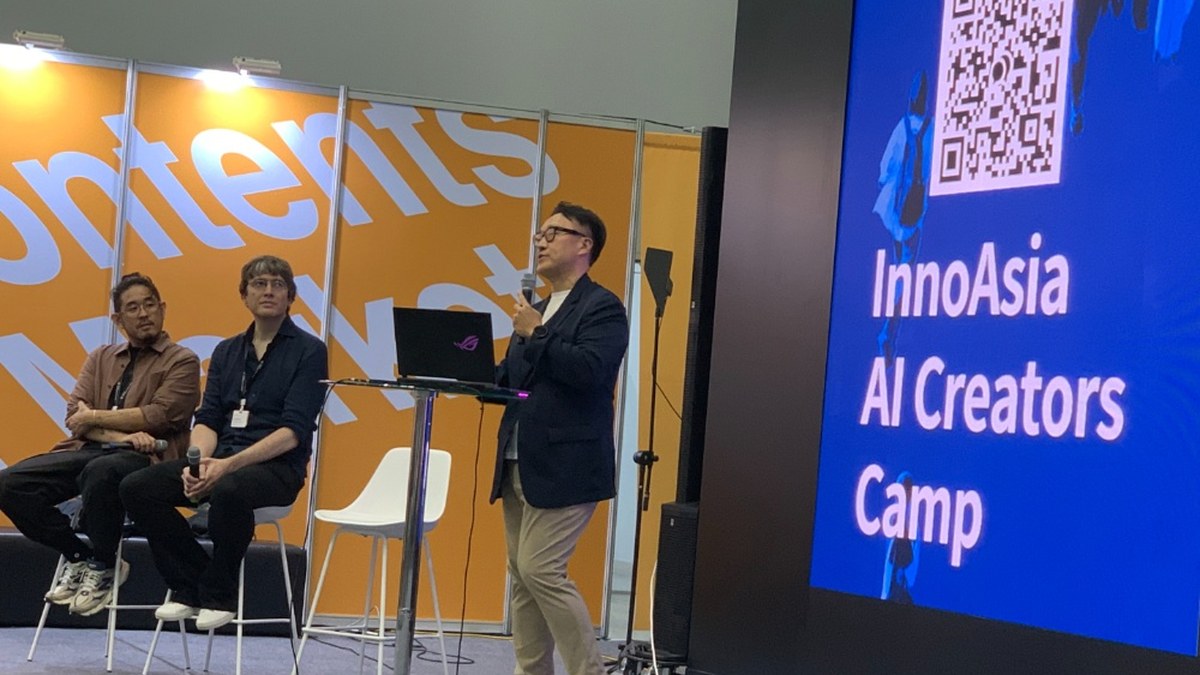
- Key facts & numbers: Hong Jae Cheol, producer-director at Viscode and former Industrial Light & Magic artist who worked on "Iron Man," "Transformers" and "Pirates of the Caribbean," argued at Busan's InnoAsia AI Creators Camp that AI-native companies can develop their own IP while traditional studios keep their edge in established franchises, production infrastructure, talent and distribution. Hong framed the shift as moving "from using AI to generate individual images toward using AI as part of a complete production workflow," positioning AI as a partner with human creativity rather than a wholesale replacement for existing studios. Hong outlined an AI-assisted pipeline in which actors perform on a controlled set, AI generates environments and visual elements, and VFX artists handle tracking, integration and finishing — contrasted against a traditional live-action flow involving 3D assets, animation, rendering and compositing.
- What happens next: Three filmmakers with very different origin stories — ILM veteran, AI-fest champ, injured director — all landed on the same message: AI is a workflow, not a replacement.
- Hong Jae Cheol, producer-director at Viscode and former Industrial Light & Magic artist who worked on "Iron Man," "Transformers" and "Pirates of the Caribbean," argued at Busan's InnoAsia AI Creators Camp that AI-native companies can develop their own IP while traditional studios keep their edge in established franchises, production infrastructure, talent and distribution.
- Hong framed the shift as moving "from using AI to generate individual images toward using AI as part of a complete production workflow," positioning AI as a partner with human creativity rather than a wholesale replacement for existing studios.
- Hong outlined an AI-assisted pipeline in which actors perform on a controlled set, AI generates environments and visual elements, and VFX artists handle tracking, integration and finishing — contrasted against a traditional live-action flow involving 3D assets, animation, rendering and compositing.
- Mark Wachholz, chief creative director of Berlin-based Dreamkite Studios, whose AI films "The Cinema That Never Was" and "Céremony" won top prizes at AI film festivals, described AI co-creation as "exploring instead of controlling" and "finding instead of knowing," arguing new tools demand new ways of thinking.
Why It Matters
Three filmmakers from different AI-adoption stages — a VFX veteran, an AI-festival winner, and a director forced into AI by injury — publicly endorsed the same hybrid thesis, signaling that the AI-vs-studio framing pushed by some industry voices may be giving way to a coexistence model. For traditional studios, the panel's argument preserves their franchise and infrastructure moats but concedes that automated pipelines can challenge them in original IP creation.
Sources Cited
Related Coverage
- Kim Sung-soo's 'Worm Train': Giant Worm Rides SubwayDeadline
- AI Tools Bring Efficiencies But Have Limitations, Says Weta CTO Kimball Thurston: “Tech Companies Should Collaborate More With Creatives”Deadline
- Kim Sung-soo: I'll Never Make Films the Old Way AgainVariety
- Netflix Eyeline Chief: AI Can't Replace Artists' JudgmentVariety
Ask SkimNews