Health·Daily Multi-Source Brief·4,574 stories
Today in Health
Biotech, medical research, public health and clinical breakthroughs — multi-source daily brief
Today’s editorial brief
Transparency, Access, and the Future of Care
This week's health and science stories reveal a tension between the promise of medical innovation and the persistent challenges of access, regulation, and public trust. New treatments emerge as systemic failures in care and information transparency continue.
The week highlights significant medical advancements, from BridgeBio's first FDA-approved drug for limb-girdle muscular dystrophy to Kymera Therapeutics' promising oral eczema pill KT-621, which could challenge existing biologics. Yet, this progress contrasts with the immediate crisis of care access, as seen in Aberfoyle Medical Practice suspending routine appointments and Betsi Cadwaladr's failing health board leaving North Wales patients at risk.
The HHS's release of Robert F. Kennedy Jr.'s redacted calendar undercuts claims of full transparency, following unanswered FOIA requests. This mirrors broader issues in drug regulation, where the FDA sends rare non-compliance letters to drugmakers after years of criticism over lax enforcement and disclosure failures. Such opacity undermines public confidence in institutions and data.
The U.S. loss of measles elimination status after 25 years underscores the critical failure of public health messaging, with vaccine myths persisting and low awareness of disease fatality. Concurrently, the El Niño-deepened omega-3 shortage links ecological disruption to widespread dietary deficiencies, threatening foundational health, even as new research points to longevity nutrients and targeted gum disease treatments.
New studies reveal the intricate biological underpinnings of mental health, linking circadian depression to weaker SSRI responses and Alzheimer's tau buildup to worsening depression. This biological complexity is further highlighted by findings that cannabis users develop psychosis years earlier, particularly with long-term exposure, challenging assumptions about its psychiatric risk.

Peppermint oil cut systolic BP 8.5 mmHg in 20 days
In a 40-person randomized trial, food-grade peppermint oil lowered systolic pressure 8.5 mmHg more than placebo over 20 days; researchers called for further, longer trials.

Primordial black hole could trigger star explosion
An atom-sized primordial black hole captured by a spinning star could trigger a catastrophic explosion, offering a new way to detect dark matter candidates.
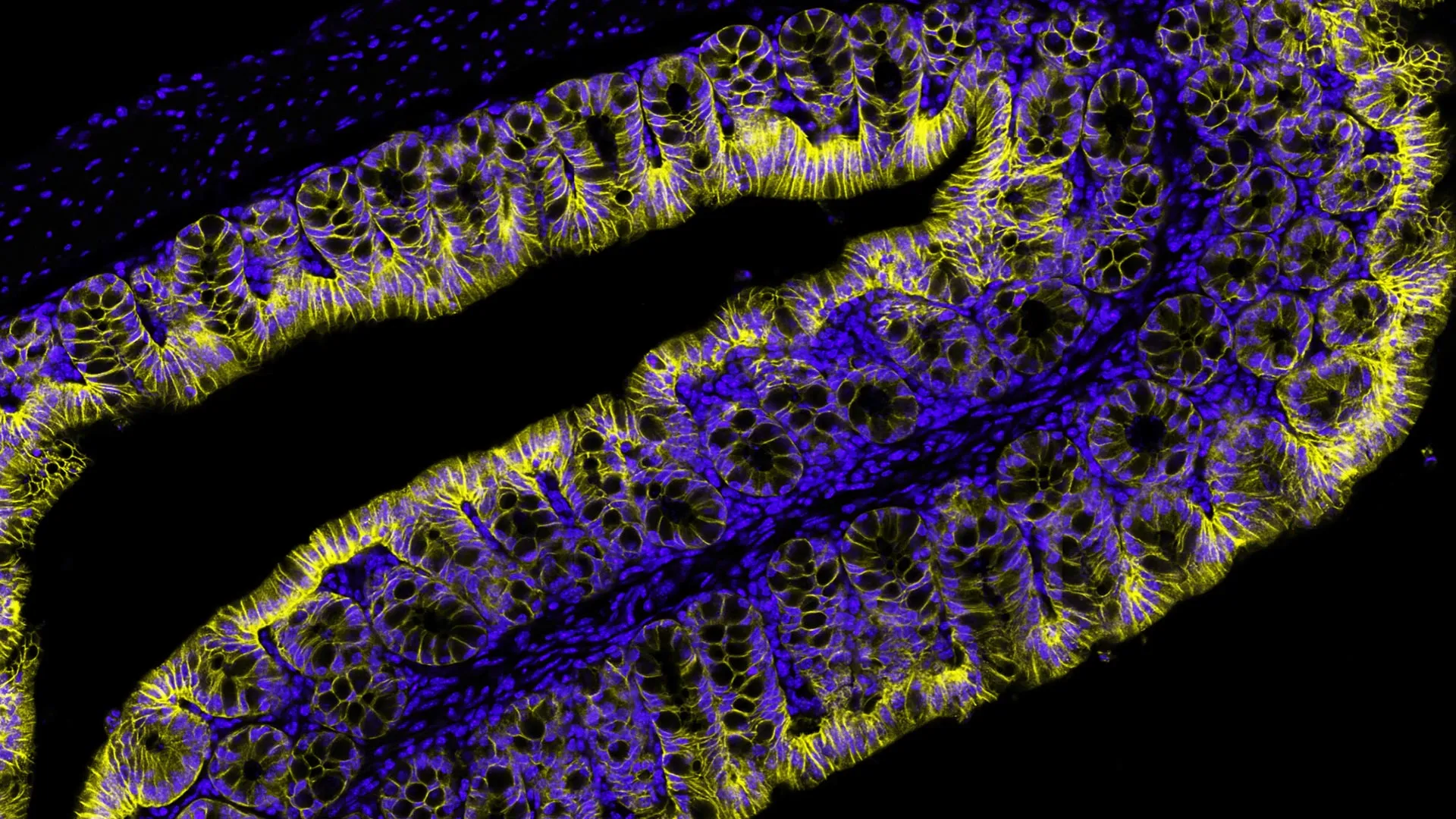
Rockefeller IgA Discovery Reveals Gut Antibody's Role
Rockefeller researchers discovered that the gut antibody IgA binds to the DMBT1 receptor on intestinal cells, restraining uncontrolled cell division and reducing colon tumor formation in mice.

Chris Bowen’s photo captures a failed climate consensus
Chris Bowen’s grimacing, V-framed image at Antalya captured a UN climate summit that overran by two days and failed to secure consensus among more than 190 countries.

Sydney mRNA nose drops restore youthful mouse memory
University of Sydney researchers say experimental mRNA nose drops restored youthful memory in aging mice and blunted Alzheimer’s-like decline in a laboratory model without reducing plaques.

HHS launches transparency site with Kennedy Jr.'s redacted
The Department of Health and Human Services launched a new website releasing over 92,000 public records, including redacted entries from Secretary Robert F. Kennedy Jr.'s calendar, following criticism

FDA sends rare non-compliance letters to two drugmakers
The FDA issued non-compliance letters to two drugmakers for failing to register clinical trials or post results on ClinicalTrials.gov, its first such enforcement in more than a year.

Aberfoyle Medical Practice suspends routine appointments
Aberfoyle Medical Practice has suspended routine appointments for a second time in a week, limiting care to urgent cases as doctors report handling around 60 patients daily.

Study ties circadian depression to weaker SSRI response
University of Sydney researchers identified a circadian-linked depression subtype in about one-quarter of a large Australian cohort, reporting weaker responses to common antidepressants and pointing t

Sequence Once, Reevaluate Often to Reshape Genomic Care
A genetic counselor argues that storing whole-genome sequences and reevaluating them for new clinical questions could reduce repeated testing costs, improve access and support lifelong care.

El Niño Deepens an Already Severe Omega-3 Shortage
El Niño is reducing anchovy catches and the omega-3 content of fish, worsening a global fish-oil deficit that algal and genetically modified crops could help address.

Sanofi’s $41B Insmed deal adds two approved lung drugs
Sanofi will acquire Insmed for $41 billion, gaining two approved lung-disease drugs and a Phase 3 asset as it confronts looming revenue losses from blockbuster Dupixent.

Betsi Cadwaladr patients decry failing health board
Patients of Wales' largest health board describe it as 'leaderless' and 'beyond redemption' after enduring extreme waits in A&E, as senior executives depart ahead of a critical review.

Alzheimer's tau buildup tracks worsening depression
In ADNI data, faster tau accumulation tracked with faster worsening depression in older adults with normal cognition, suggesting mood changes can precede measurable cognitive impairment but not provin

Invivyd reports 70%-90% protection from experimental Covid
Invivyd announced its experimental monoclonal antibody VYD2311 demonstrated 70% to 90% protection against symptomatic Covid-19 in a Phase 3 trial, positioning it as a potential preventive alternative
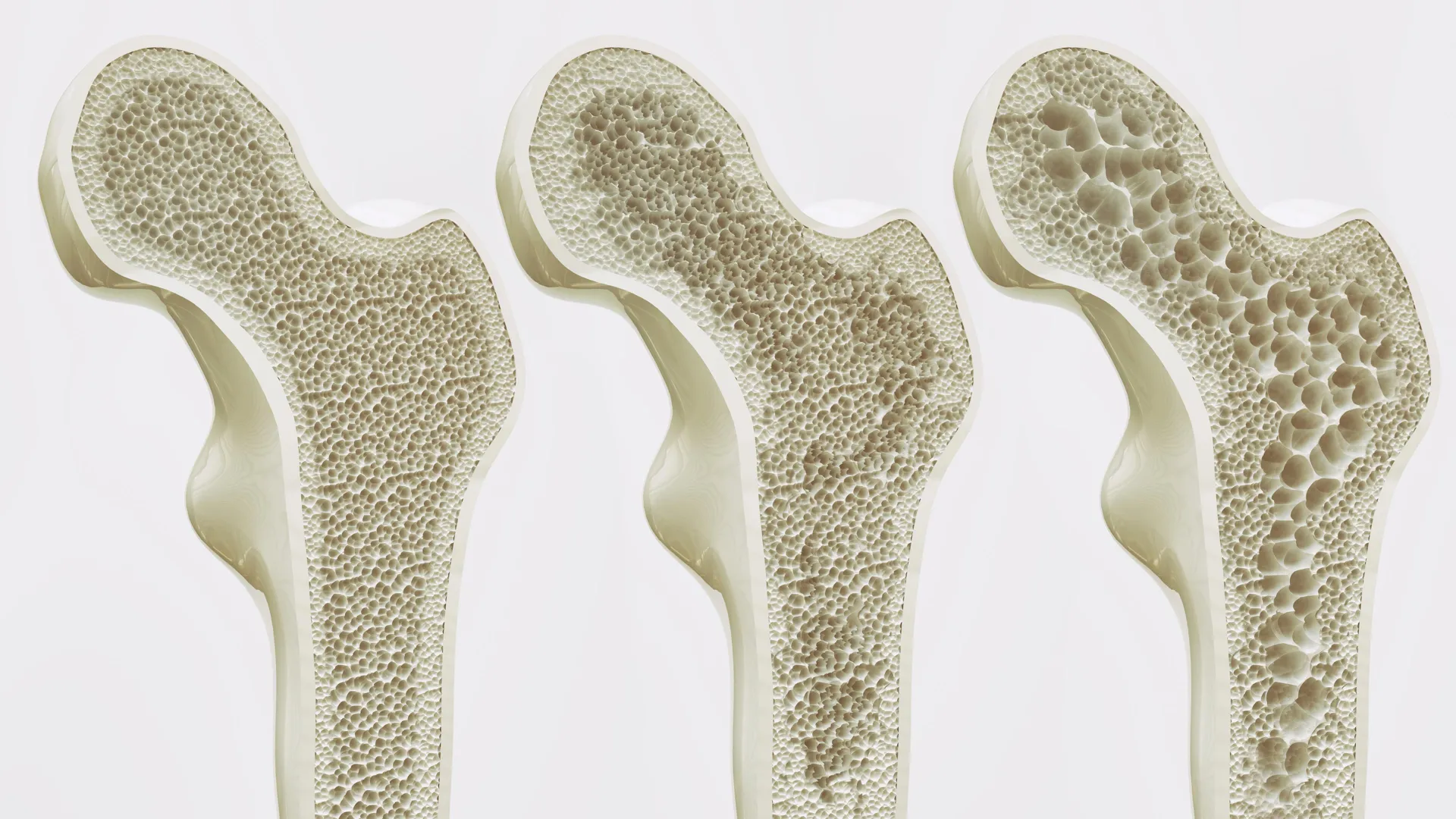
AI Links Spinal Bone Density to Brain Aging in New Study
Researchers found lower spinal bone density is linked to accelerated cognitive decline and brain white matter changes, detectable via AI analysis of routine CT scans.
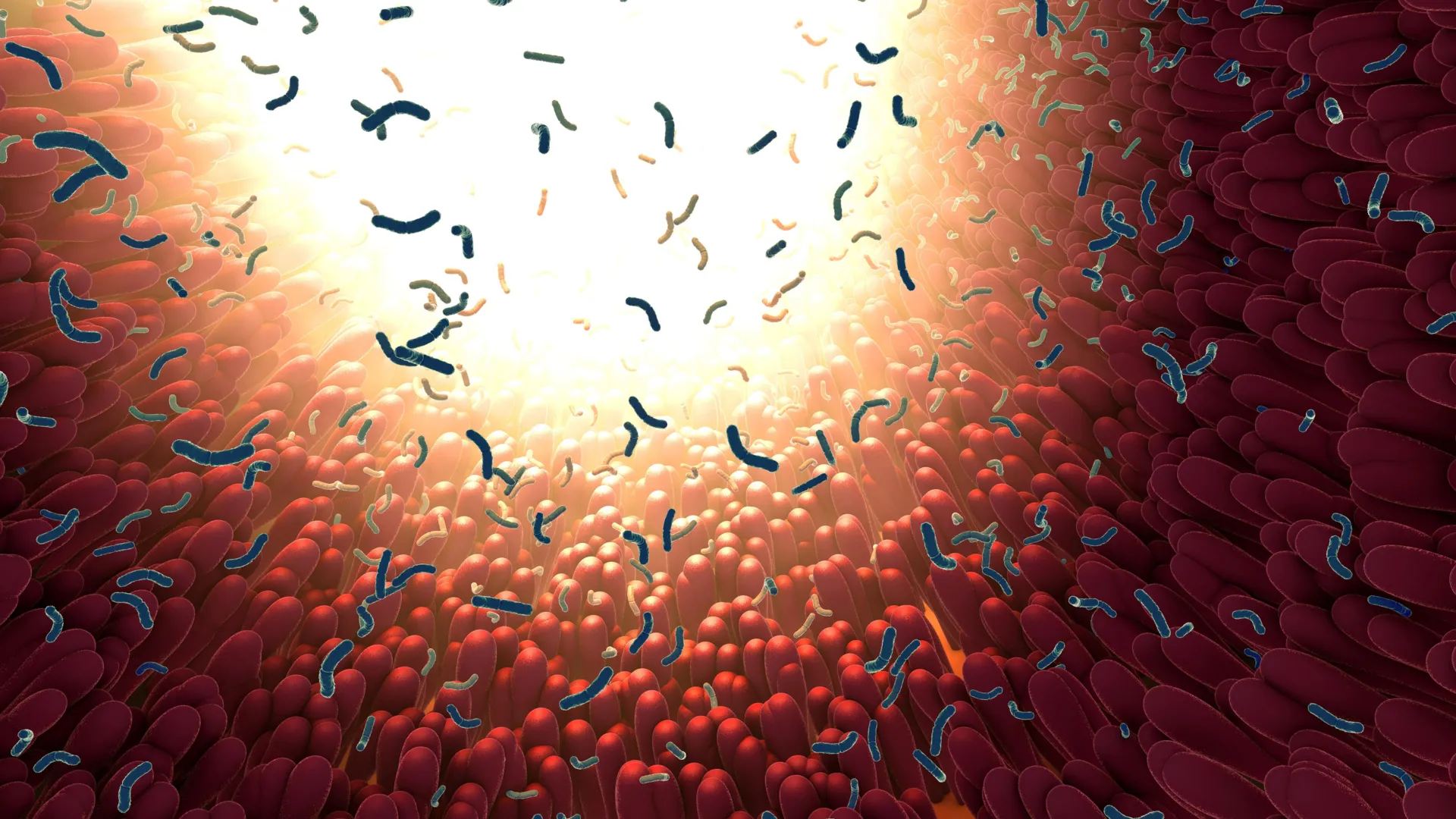
Common Drugs Leave Long-Term Gut Microbiome Imprints
A University of Tartu study found widely used medications leave lasting microbial changes in the gut, detectable years after discontinuation, challenging assumptions in microbiome research.

Tortoise DNA Reveals 287 Genetic Clues to Longevity
Researchers have identified 287 unique genetic variants in 194-year-old tortoise Jonathan that may explain his extreme longevity and resistance to age-related decline.
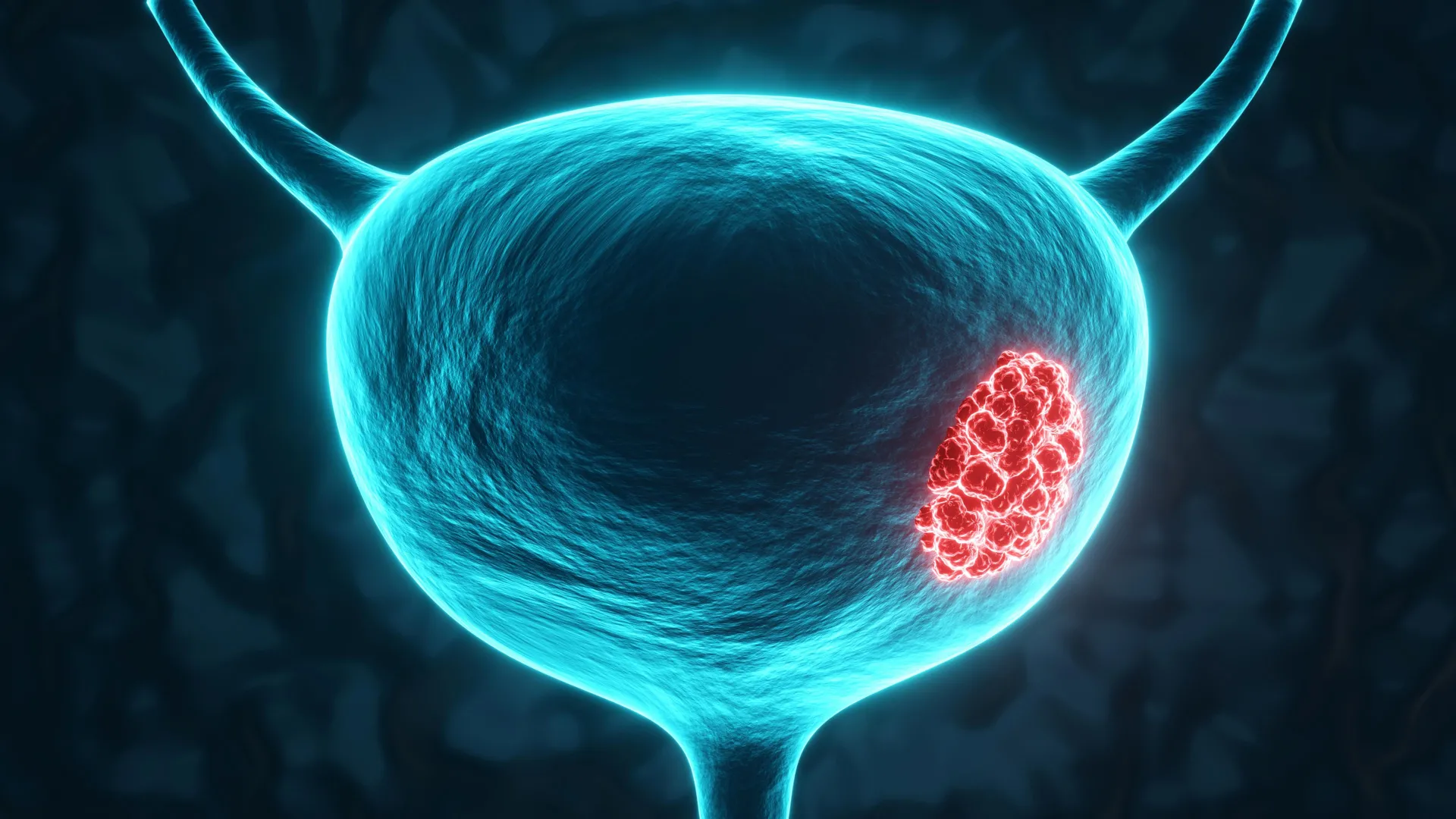
AI Flags Bladder Cancer Risk Up to 5 Years Early
Researchers at the University of Plymouth developed an AI model called PRECISE-AGZ that identifies bladder cancer risk up to five years before diagnosis by analyzing electronic health records from nea
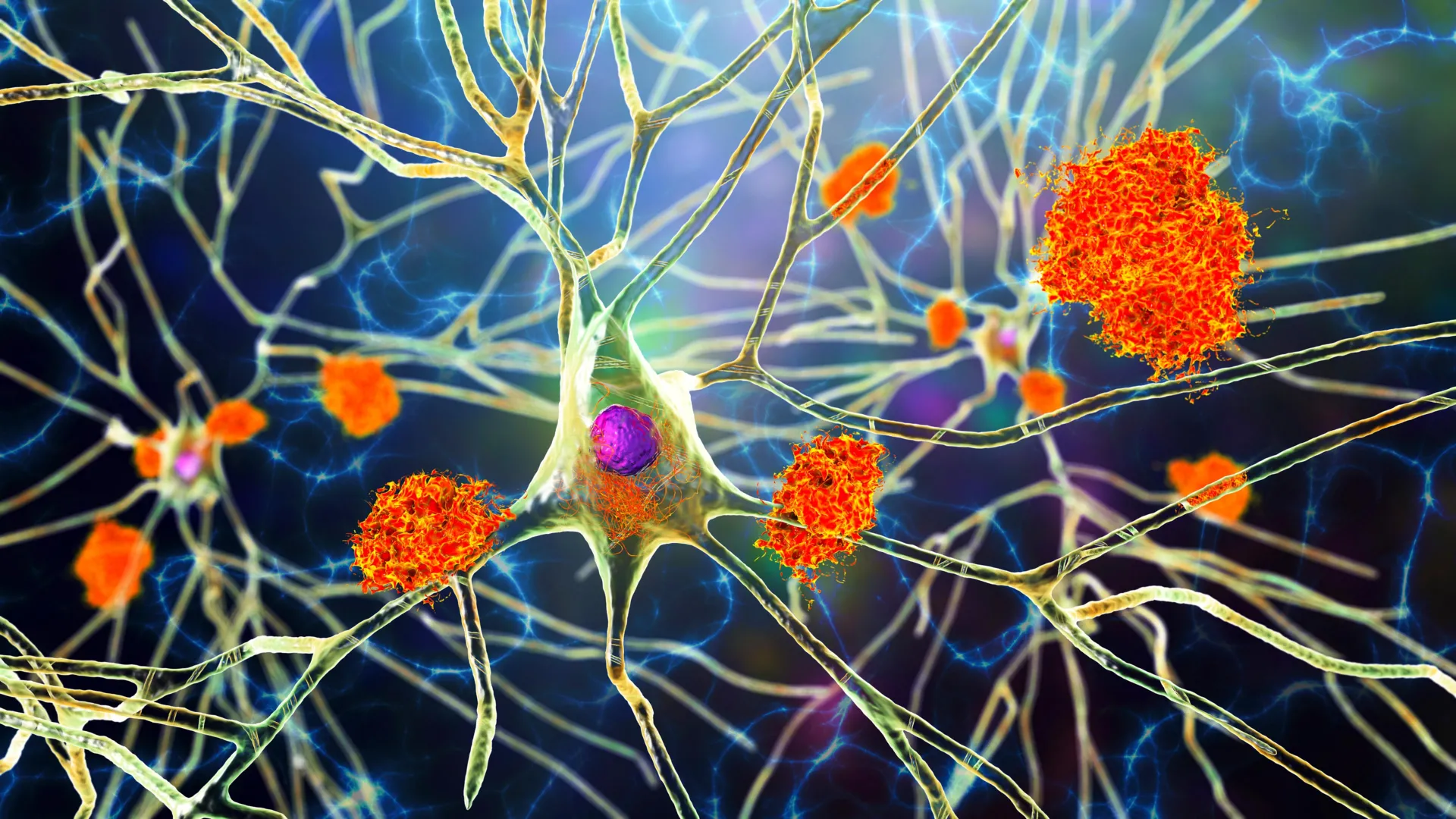
Alzheimer's Gene CASS4 Linked to Brain's Immune Defense
Scientists at UVA Health discovered the CASS4 gene regulates microglia in containing Alzheimer’s-linked plaques, with its dysfunction accelerating cognitive decline in mice, suggesting new therapeutic

Losartan Boosts Brown Fat, Tied to Better Metabolic
Losartan, a common blood pressure drug, activates calorie-burning brown fat in mice and is linked to better metabolic and mental health in over 100,000 patients, per a Nature study led by Rockefeller

Scotland Orders Probe into 19 Avoidable NHS Surgery Deaths
The Scottish government has ordered an urgent independent review into NHS Grampian's liver and pancreatic surgery practices after a whistleblower exposed 19 avoidable deaths in a suppressed 2022 repor

NI Consultants to Strike After Resident Doctors' Walkout
Following a 24-hour strike by resident doctors, Northern Ireland consultants and SAS doctors will begin a new 24-hour walkout Monday amid an unresolved pay dispute.

Next Halts Baby Sleeping Bag Sales After Safety Alert
Next has halted sales and initiated a recall of its own-brand baby sleeping bag after a mother discovered the neck opening exceeded UK safety limits, posing a suffocation risk.
Get the Health newsletter
Curated health stories, every morning. Free.
No spam. Unsubscribe anytime.