Kaspar Kalle's Faroe Islands Gay Romance Debut Reviewed
The 30-Second Skim7 points
- What happenedDanish director Kaspar Kalle's debut "No Rest for the Wicked" adapts an 1884 Karl Heinrich Ulrichs tale into a melancholy 1862 Faroe Islands romance between a taciturn young fisherman and a shipwrecked sailor, with supernatural horror elements serving as deliberate misdirection before a haunting, "Brokeback Mountain"-adjacent denouement.
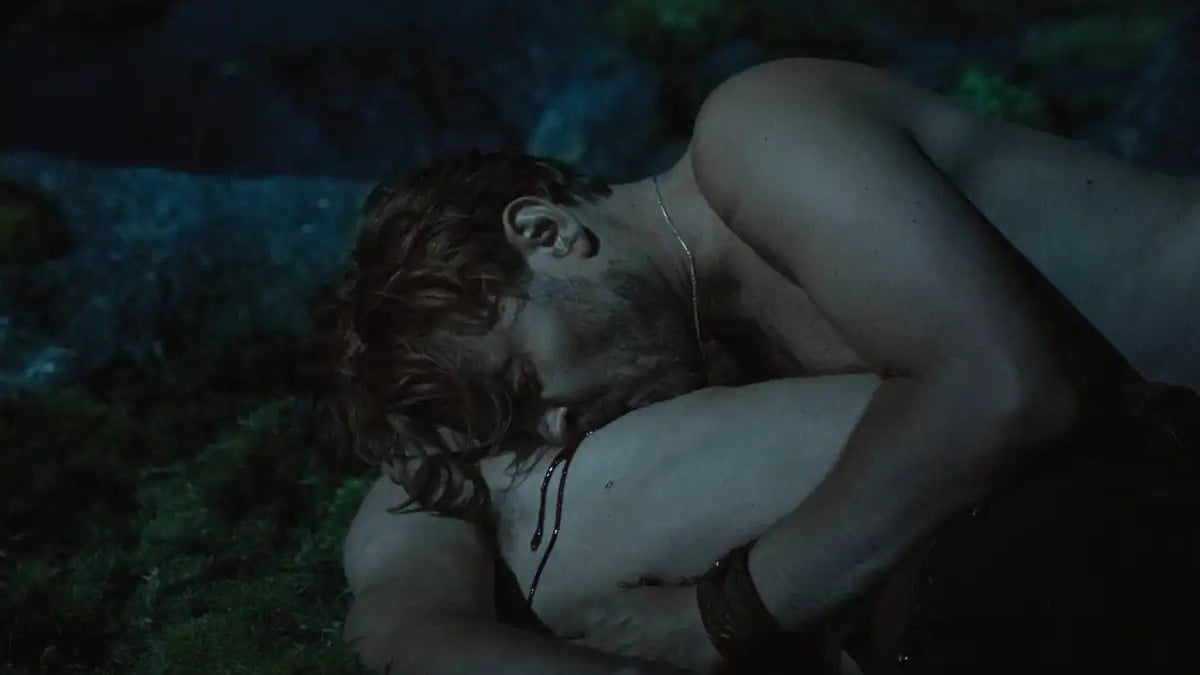
- Key facts & numbersKaspar Kalle's debut "No Rest for the Wicked" adapts an 1884 story by Karl Heinrich Ulrichs, described as "a very early proponent for gay rights," set in the Faroe Islands in 1862. Egor Venned, a successful model and Faroes native making his screen debut, stars as taciturn fisherman Baldur opposite Pilou Asbaek as Helge, the shipwrecked sailor who becomes his lover. After both sign onto a whaling ship, Helge's corpse washes ashore and Baldur makes a blood wish that launches supernatural, vampire-tinged events the review calls "deliberate misdirection."
- What happens nextThe review itself calls it Kalle's 'debut feature' and then later his 'sophomore feature' — pick one. Also: lead Venned is 'too idealized.'
- Kaspar Kalle's debut "No Rest for the Wicked" adapts an 1884 story by Karl Heinrich Ulrichs, described as "a very early proponent for gay rights," set in the Faroe Islands in 1862.
- Egor Venned, a successful model and Faroes native making his screen debut, stars as taciturn fisherman Baldur opposite Pilou Asbaek as Helge, the shipwrecked sailor who becomes his lover.
- After both sign onto a whaling ship, Helge's corpse washes ashore and Baldur makes a blood wish that launches supernatural, vampire-tinged events the review calls "deliberate misdirection."
- The review credits the screenplay by Rasmus Birch and Kalle for paring Ulrichs' "crudely literal-minded" source into suggestive visual storytelling, aided by cinematographer Jacob Moller and an original score by Hettarher.
Why It Matters
Kalle positions himself as a distinctive new voice in queer European cinema by transforming an obscure 1884 Ulrichs text into a restrained, atmospherically rendered ghost-romance anchored by newcomer Venned and veteran Asbaek. The film's refusal of simplistic homophobia — recasting maternal opposition as grief-driven rather than bigoted — is what gives its genre-blending finale its haunting power.
Sources Cited
Related Coverage
Ask SkimNews
The day’s news in one short email, every morning.
Free. One email a day. Unsubscribe in one click.