Ex-Google Exec Brittin Grilled on BBC Funding Future
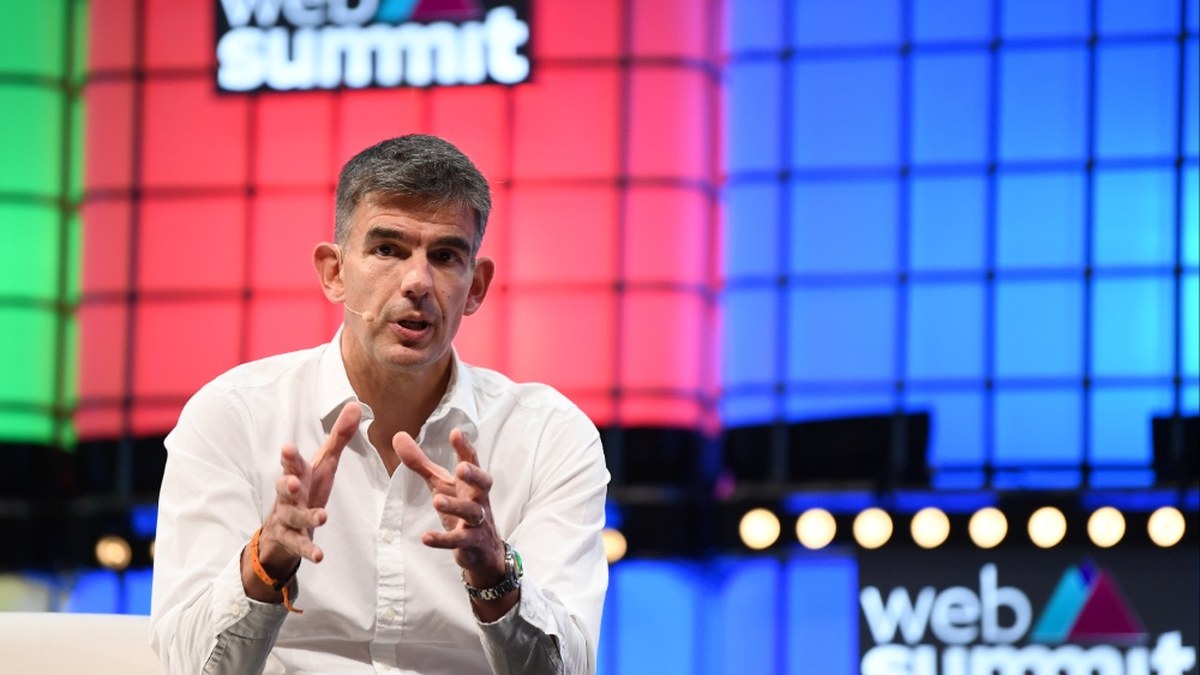
The 30-Second Skim
- What happened: New BBC Director-General Matt Brittin, a longtime Google executive and former Olympic rower, faced his first parliamentary grilling, fielding questions about funding reform, content cuts, YouTube strategy, and the Huw Edwards repayment saga.
- Key facts & numbers: Matt Brittin, a longtime Google executive and former Olympic rower, became BBC Director-General after top contenders including Apple's Jay Hunt reportedly turned down the "poisoned chalice" role, and six and a half weeks in faced his first questioning by the Culture, Media and Sport Committee alongside BBC chair Samir Shah. Brittin told MPs the BBC will have to "stop making some programs that are very popular" to cut costs, and floated replacing the £180 ($240) licence fee with a European-style household levy, noting current collection costs run about £190 million a year. On YouTube — a topic shaped by Brittin's Google background — he argued the platform is "such a behemoth" that BBC content being there "doesn't make a huge difference" to it, and said it offers a low-cost way to reach new audiences.
- What happens next: Every answer about YouTube lands differently when the new boss spent his career at Google. Worth watching what gets cut — Brittin basically promised unpopular beloved shows die.
- Matt Brittin, a longtime Google executive and former Olympic rower, became BBC Director-General after top contenders including Apple's Jay Hunt reportedly turned down the "poisoned chalice" role, and six and a half weeks in faced his first questioning by the Culture, Media and Sport Committee alongside BBC chair Samir Shah.
- Brittin told MPs the BBC will have to "stop making some programs that are very popular" to cut costs, and floated replacing the £180 ($240) licence fee with a European-style household levy, noting current collection costs run about £190 million a year.
- On YouTube — a topic shaped by Brittin's Google background — he argued the platform is "such a behemoth" that BBC content being there "doesn't make a huge difference" to it, and said it offers a low-cost way to reach new audiences.
- Brittin attributed the BBC's financial squeeze to the licence fee freeze, more households giving up the fee entirely, and expanded government asks, saying cash reserves and BBC Studios dividends have now been exhausted as a stopgap.
Why It Matters
The BBC's funding model faces its most serious stress test in a decade: the current £180 licence fee funds a universal public broadcaster, but Brittin is openly exploring replacing it with a household levy and admitted popular programmes will be axed. With the Royal Charter renewal looming and £190 million a year going just to collect the fee, the choices made now will reshape what public-service broadcasting looks like in the UK.
Sources Cited
Related Coverage
Ask SkimNews