Hazara Town Follows a Family Awaiting Asylum in Quetta
The 30-Second Skim
- What happened: Khadim Dai’s restrained documentary follows an Afghan Hazara family stranded in Quetta, using intimate observation to convey the human cost of slow, selective asylum and continuing persecution without offering tidy answers.
- Key facts & numbers: Hazara Town follows Sedeqa, her daughters Machid and Mitra, and their grandparents after they flee Afghanistan to Quetta, while Khadim Dai’s brother Hussain lays groundwork for a new life in Canada. Quetta’s Hazara Town quarter bears the name of a Hazara community exceeding 500,000, with displaced members living in the city without asylum elsewhere. Khadim Dai returned to Pakistan several years after leaving and embedded himself in his relatives’ household, filming daily routines, the girls’ growth around their father’s absence, and the wider community’s fear and sorrow.
- What happens next: The gut punch isn’t the violence the camera withholds; it’s two schoolgirls growing up around an absent father as relatives leave in a water-spattered taxi.
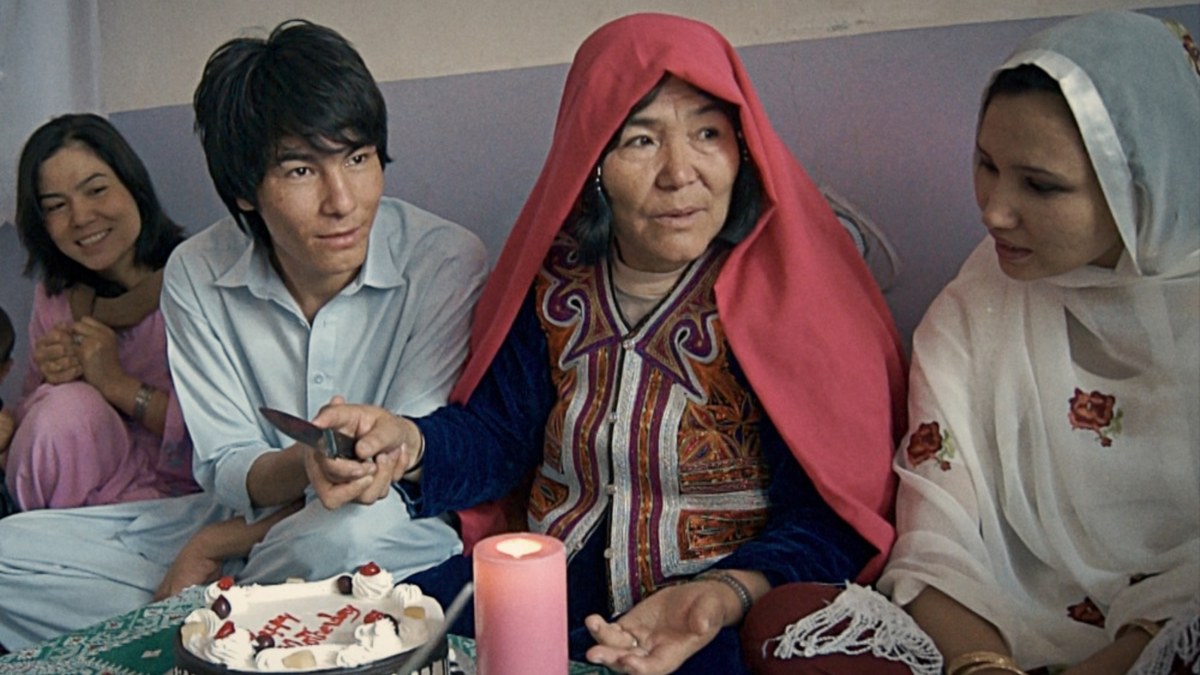
- Hazara Town follows Sedeqa, her daughters Machid and Mitra, and their grandparents after they flee Afghanistan to Quetta, while Khadim Dai’s brother Hussain lays groundwork for a new life in Canada.
- Quetta’s Hazara Town quarter bears the name of a Hazara community exceeding 500,000, with displaced members living in the city without asylum elsewhere.
- Khadim Dai returned to Pakistan several years after leaving and embedded himself in his relatives’ household, filming daily routines, the girls’ growth around their father’s absence, and the wider community’s fear and sorrow.
- Hazara Town conveys targeted killings without depicting violence, flashing a rising death toll onscreen and lingering in a cemetery where portraits vanish after temporary memorial displays.
Why It Matters
For families such as Sedeqa’s, the stakes are concrete: the surrounding Hazara community exceeds 500,000 and faces displacement, targeted killings, and Taliban-assigned refugee education. For Machid and Mitra, slow, selective asylum and curbed classroom freedoms mean a childhood shaped by separation, while North American departures yield only a temporary reunion.
Sources Cited
Related Coverage
- Third Land Portrays Iranian Refugee Limbo in TurkeyVariety
- 'Citizen Osama' Premieres at Venice, Seeks US DistributionIndieWire
- 25 Years in Afghanistan review – the extraordinary life of an optimistThe Guardian Culture
- ‘Children were wearing fake life jackets’: one Syrian family’s terrifying, 10-year journeyThe Guardian Culture
Ask SkimNews