Legacy Sequels Now Dominate Hollywood
The 30-Second Skim
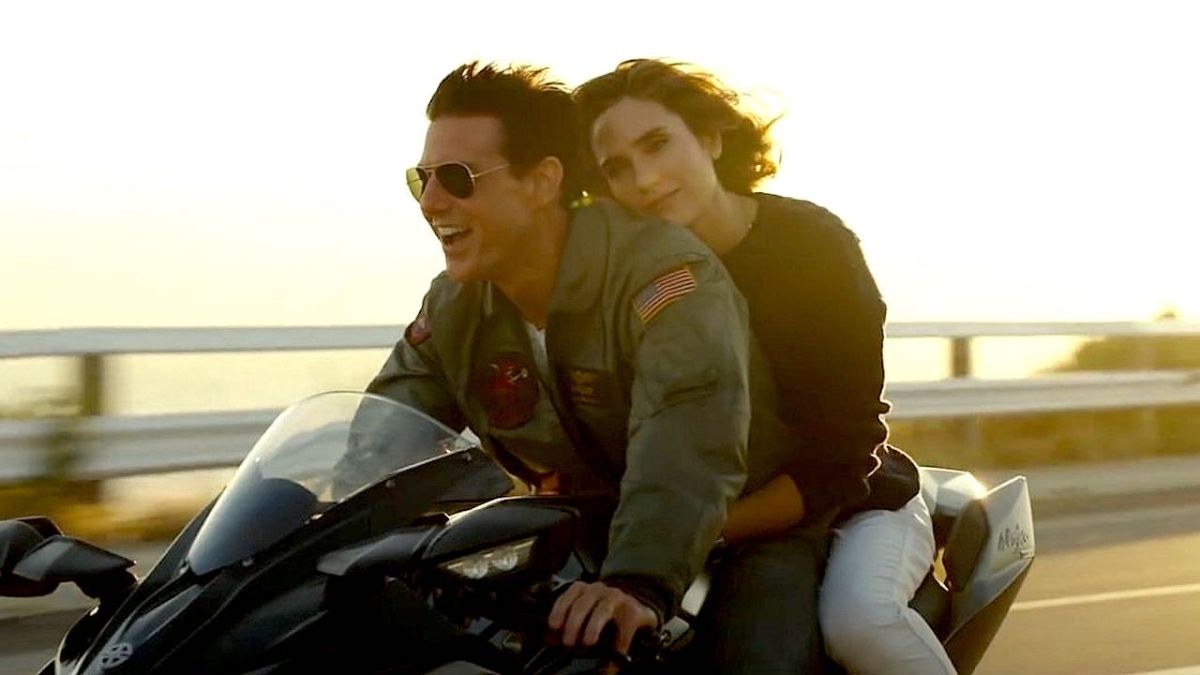
- What happened: A long-form feature charts the rise of the legacy sequel — from 1977's 'Father Knows Best Reunion' through 'Star Trek: Generations' to today's reunion-driven hits like 'Top Gun: Maverick' and 'Final Destination: Bloodlines' — through interviews with screenwriters, costume designers, and graphic designers who reveal there is no visual 'bible' for the format.
- Key facts & numbers: Legacy sequels trace back to 1977's 'Father Knows Best Reunion' and 1979's 'Star Trek: The Motion Picture,' but the format accelerated in the 2000s with millennial nostalgia contracting in shorter cycles, per the article's historical survey. 'Bill & Ted Face the Music' reunited Alex Winter and Keanu Reeves 30 years after the original film; Winter framed the appeal as 'This works because we're old' and credited the documentary 'Anvil! The Story of Anvil' (2008) with helping him rediscover the character's physicality after a year of tap-dance and movement training. George Romero's Dead films were deliberately anti-nostalgic by design — 'Night of the Living Dead' (1968), 'Dawn of the Dead' (1978), and 'Day of the Dead' (1985) eliminated returning main cast to preclude reunion gratification, the article notes.
- What happens next: No design 'bible' exists for legacy sequels — each crew reinvents the wheel. Romero's Dead films went the opposite route, anti-nostalgic by design.
- Legacy sequels trace back to 1977's 'Father Knows Best Reunion' and 1979's 'Star Trek: The Motion Picture,' but the format accelerated in the 2000s with millennial nostalgia contracting in shorter cycles, per the article's historical survey.
- 'Bill & Ted Face the Music' reunited Alex Winter and Keanu Reeves 30 years after the original film; Winter framed the appeal as 'This works because we're old' and credited the documentary 'Anvil! The Story of Anvil' (2008) with helping him rediscover the character's physicality after a year of tap-dance and movement training.
- George Romero's Dead films were deliberately anti-nostalgic by design — 'Night of the Living Dead' (1968), 'Dawn of the Dead' (1978), and 'Day of the Dead' (1985) eliminated returning main cast to preclude reunion gratification, the article notes.
- 'Land of the Dead' (2005) ran on an $18 million budget — costume designer Alex Kavanaugh contrasted it with Zach Snyder's simultaneously shot 'Dawn of the Dead' remake, which 'had so much more money than us'; her team bleached the tops of walkers' clothing to show years of exposure.
Why It Matters
The legacy sequel has become a Hollywood default, but the article's interviews expose a production gap: no visual 'bible' exists for these films, so each new crew reinvents costuming, typography, and continuity from scratch — a process that costs studios time while the format trades on the emotional charge of visibly aged original cast members. Filmmakers interviewed acknowledge the manipulation even as they admit susceptibility to it.
Sources Cited
- IndieWire — From ‘Father Knows Best’ to ‘Final Destination’: How Legacy Sequels Took Over the World
- IMDb — From ‘Father Knows Best’ to ‘Final Destination’: How Legacy Sequels Took Over the World
- filmcomment.com — Best Films of 2025: Individual Ballots
- SlashFilm — We Have An Early Contender For The Best Horror Movie Death Of 2026
- Crooked Marquee — Review: Final Destination: Bloodlines
Related Coverage
- Deja viewing: the return of the cheapo compilation filmThe Guardian Culture
- Why Horror Filmmakers Are Obsessed With Obsolete TechThe Guardian Culture
- ‘Star Trek II: The Wrath of Khan’ Recalled by Director Nicholas MeyerVariety
- From ‘Heathers’ to ‘Practical Magic 2,’ Denise Di Novi Keeps Her Filmmaking PersonalIndieWire
Ask SkimNews