Greengrass, Garfield Turn Peasants' Revolt Into Modern Epic
The 30-Second Skim
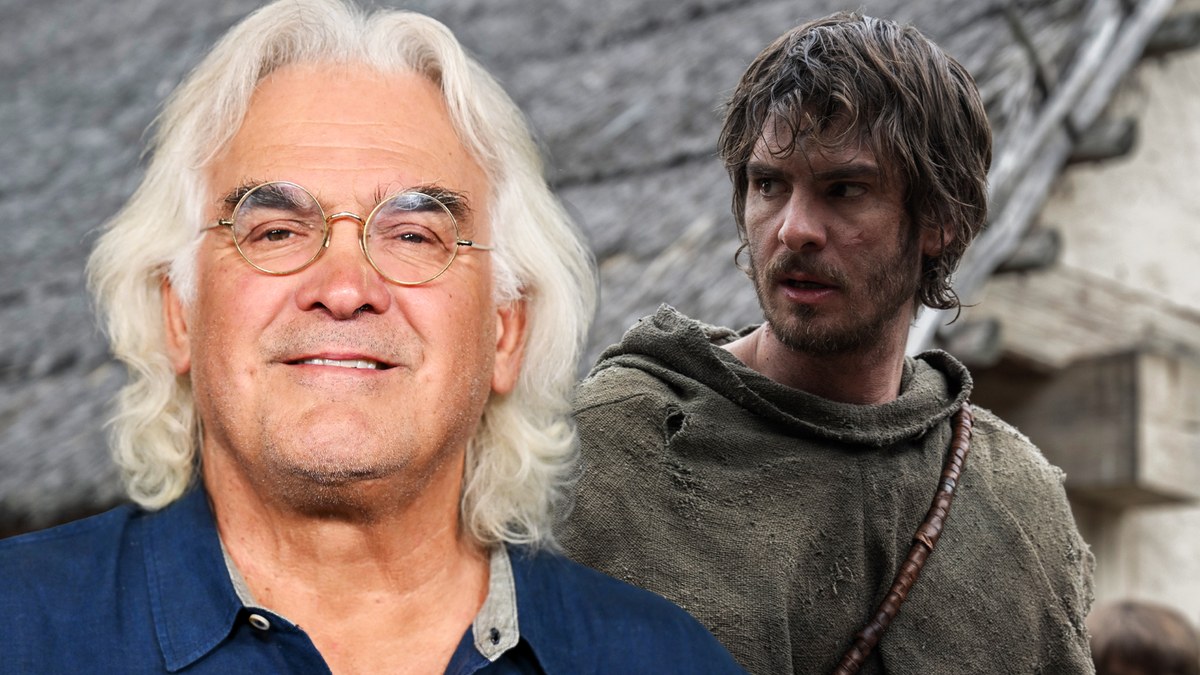
- What happened: Paul Greengrass and Andrew Garfield discuss transforming England's 14th-century Peasants' Revolt into "The Uprising," framing the film as a modern call to action against disenfranchisement, with Garfield starring as a farmer-turned-rebel.
- Key facts & numbers: Paul Greengrass wrote and directed "The Uprising" about the 14th-century Peasants' Revolt after conceiving the idea on the second day of COVID lockdown — his first draft was titled "The Hood" and its core architecture remained largely unchanged through production. Andrew Garfield stars as "Ploughman," a humble farmer who has lost his family to the plague and incites a nationwide uprising after lashing out at a tax collector pushing new levies for the teenage King Richard II. Greengrass argues the legend of Robin Hood was born from the crushed Peasants' Revolt — outlaw ballads that emerged afterward "kept the dream alive" by telling stories of defiance against power.
- What happens next: Greengrass claims Robin Hood ballads were literally born from the crushed Peasants' Revolt — fun thesis buried under all the hero's journey talk.
- Paul Greengrass wrote and directed "The Uprising" about the 14th-century Peasants' Revolt after conceiving the idea on the second day of COVID lockdown — his first draft was titled "The Hood" and its core architecture remained largely unchanged through production.
- Andrew Garfield stars as "Ploughman," a humble farmer who has lost his family to the plague and incites a nationwide uprising after lashing out at a tax collector pushing new levies for the teenage King Richard II.
- Greengrass argues the legend of Robin Hood was born from the crushed Peasants' Revolt — outlaw ballads that emerged afterward "kept the dream alive" by telling stories of defiance against power.
- The ensemble cast includes Cosmo Jarvis as the historical Wat Tyler, Jamie Bell as clergyman John Ball, Thomasin McKenzie as fellow rebel Alyce, and Katherine Waterston as the king's mother the Countess.
Why It Matters
Greengrass explicitly framed the film as a response to modern political disenfranchisement rather than a detached period piece — the Peasants' Revolt was chosen because its themes of unaccountable authority and tax burdens resonate now. Garfield's immediate buy-in validates that thesis, and Greengrass's Robin Hood origin theory gives the project a cultural hook that extends beyond medieval spectacle.
Sources Cited
Related Coverage
Ask SkimNews