Kore-eda Hirokazu Shows ‘Sheep in the Box’ at Cannes
The 30-Second Skim
- What happened: Renowned Japanese director Kore‑eda Hirokazu debuts his Cannes‑competing film ‘Sheep in the Box,’ a meditation on AI‑driven resurrection and familial grief that juxtaposes Eastern co‑existence with Western dystopia and explores the ethical limits of recreating the dead.
- Key facts & numbers: Kore-eda Hirokazu returns to Cannes competition with his new film “Sheep in the Box,” a meditation on AI’s impact on grieving and the ethics of recreating the dead. The film follows a family—mother architect, father wood‑manufacturer—who adopt a humanoid android resembling their late son, Kakeru, prompting questions about who “owns” the dead. Kore-eda says he was inspired by a Chinese business that “feeds information about people into a computer” to bring them “back to life,” linking his personal regrets about unsaid words to the film’s premise.
- What happens next: Headlines shout the AI‑grief plot, but Kore‑eda’s personal regret and the film’s wooden‑house metaphor add a deeper, often‑overlooked layer.
- Kore-eda Hirokazu returns to Cannes competition with his new film “Sheep in the Box,” a meditation on AI’s impact on grieving and the ethics of recreating the dead.
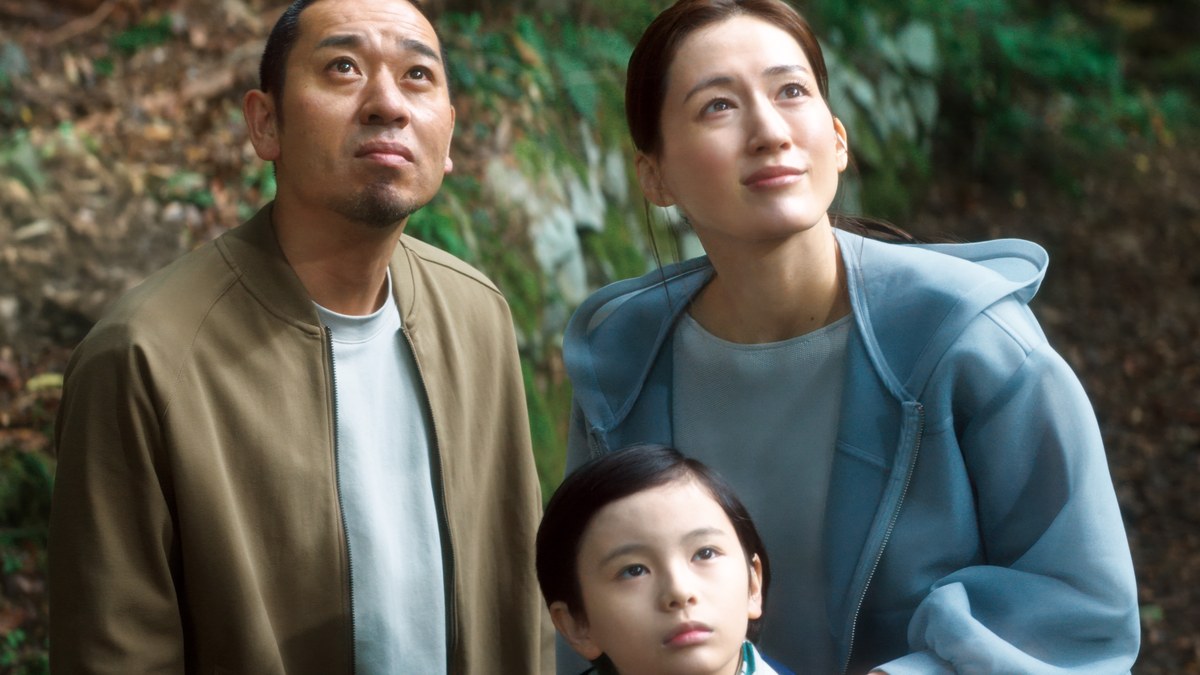
- The film follows a family—mother architect, father wood‑manufacturer—who adopt a humanoid android resembling their late son, Kakeru, prompting questions about who “owns” the dead.
- Kore-eda says he was inspired by a Chinese business that “feeds information about people into a computer” to bring them “back to life,” linking his personal regrets about unsaid words to the film’s premise.
- The director notes cultural differences, stating that Western views of AI are dystopian while Eastern perspectives see co‑existence, and he frames the story as a metaphor for children outgrowing parents.
Why It Matters
The film brings AI ethics into cinema, giving audiences a narrative lens on who controls digital likenesses of the deceased, while highlighting divergent East‑West cultural attitudes that may shape future tech policy and artistic representation; it also underscores creators’ personal stakes with regret and memory, potentially influencing how storytellers and tech firms address the moral implications of resurrecting the dead.
Sources Cited
Related Coverage
Ask SkimNews