Kore-eda Reveals Why He Never Films Kids Crying
The 30-Second Skim7 points
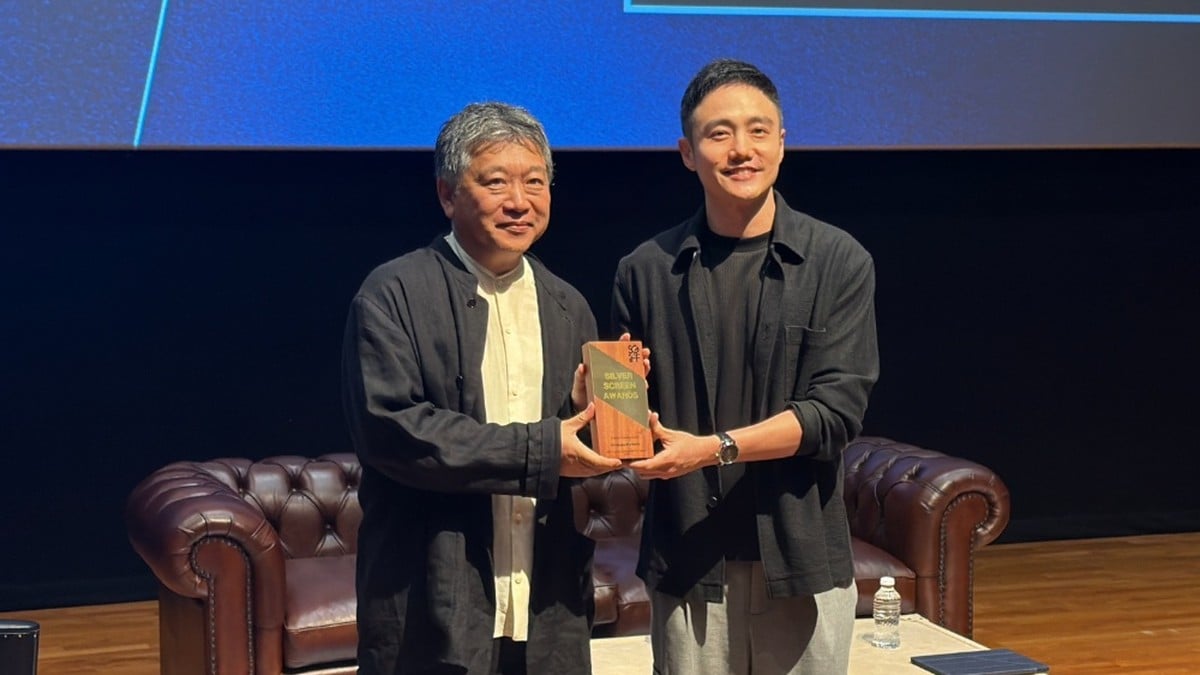
- What happenedAt the Singapore International Film Festival, Kore-eda Hirokazu reflected on his decades-long approach to directing child actors, revealing why he avoids filming them crying and how mentors Hou Hsiao-hsien and Ken Loach shaped his philosophy.
- Key facts & numbersKore-eda Hirokazu refuses to film children crying, aiming instead for audiences to remember a child’s smile and cry after viewing, not the act of crying on screen Kore-eda Hirokazu adapted his method of working with child actors over time, shifting from improvisational dialogue in 'Shoplifters' to using scripts in 'Monster' for ethical separation due to the film’s sensitive subject Hou Hsiao-hsien influenced Kore-eda’s on-set process by emphasizing that camera placement must follow actors’ movements and the feel of a location, not pre-drawn storyboards, a lesson Kore-eda now applies religiously
- What happens nextWhile headlines fixate on AI in 'Sheep in the Box', Kore-eda’s real revelation is how he protects child actors—by never filming tears, only trust.
- Kore-eda Hirokazu refuses to film children crying, aiming instead for audiences to remember a child’s smile and cry after viewing, not the act of crying on screen
- Kore-eda Hirokazu adapted his method of working with child actors over time, shifting from improvisational dialogue in 'Shoplifters' to using scripts in 'Monster' for ethical separation due to the film’s sensitive subject
- Hou Hsiao-hsien influenced Kore-eda’s on-set process by emphasizing that camera placement must follow actors’ movements and the feel of a location, not pre-drawn storyboards, a lesson Kore-eda now applies religiously
- Ken Loach taught Kore-eda to ethically weigh each shot with child actors, exemplified by Loach’s direction in 'Kes' where a boy discovered his dead bird without knowing the scene’s emotional weight ahead of time
Why It Matters
Kore-eda’s sustained focus on ethical, child-centered direction challenges industry norms, and his return to intimate storytelling in 2026 may influence a new generation of filmmakers. The festival’s honor signals regional recognition of a career that redefined naturalism in Asian cinema.
Sources Cited
Related Coverage
Ask SkimNews
The day’s news in one short email, every morning.
Free. One email a day. Unsubscribe in one click.