Netflix’s New Stanford Prison Experiment Ends in Unity
The 30-Second Skim7 points
- What happenedNetflix’s 'The New Stanford Prison Experiment' reimagines the infamous 1971 study with modern safeguards and a diverse cast, culminating in a unified prisoner walkout that surprised even the creators.
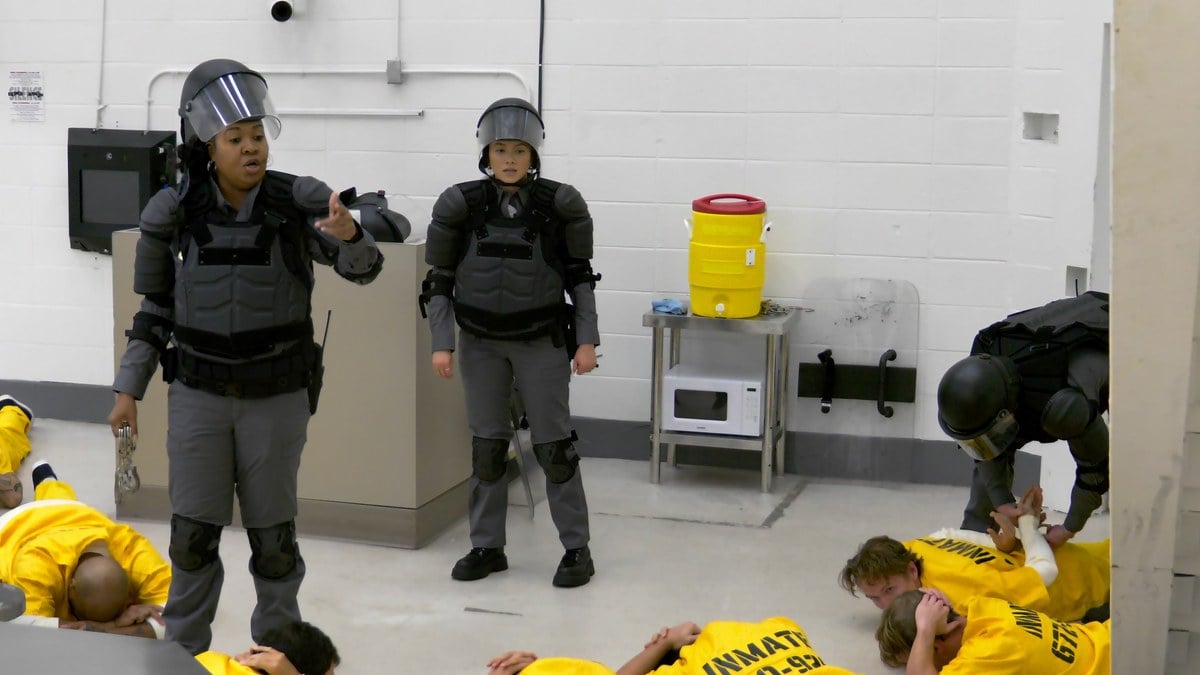
- Key facts & numbersNetflix released 'The New Stanford Prison Experiment,' a six-episode reality series re-creating the 1971 psychological study with updated ethical safeguards and a diverse group of 30 participants. Jane Lipsitz and Dan Cutforth, the show’s executive producers, implemented a four-phase structure—Transformation, Hierarchy, Role-Reversal, and Self-Governance—to guide the two-week experiment in a decommissioned prison cell block. Alison Wood Brooks, Trymaine Lee, and Michael Cantrell served as on-site experts observing behavior, with psychological screening, 24/7 medical support, and a safe word ('pineapple') in place to protect participants.
- What happens nextWhile the original Stanford experiment ended in chaos, this version’s prisoners walked out arm-in-arm—proof that with better design, even toxic systems can produce unity.
- Netflix released 'The New Stanford Prison Experiment,' a six-episode reality series re-creating the 1971 psychological study with updated ethical safeguards and a diverse group of 30 participants.
- Jane Lipsitz and Dan Cutforth, the show’s executive producers, implemented a four-phase structure—Transformation, Hierarchy, Role-Reversal, and Self-Governance—to guide the two-week experiment in a decommissioned prison cell block.
- Alison Wood Brooks, Trymaine Lee, and Michael Cantrell served as on-site experts observing behavior, with psychological screening, 24/7 medical support, and a safe word ('pineapple') in place to protect participants.
- Larry Foy, a former inmate known as 'Scary Larry,' exited early after being emotionally triggered by the prison environment, highlighting the psychological risks despite safeguards.
Why It Matters
The experiment’s peaceful, cooperative conclusion contrasts sharply with the original’s descent into abuse, suggesting structural safeguards and diversity can alter group dynamics under pressure. For Netflix, the series represents a high-profile attempt to turn ethically fraught psychology into responsible reality TV that sparks public debate.
Sources Cited
Related Coverage
Ask SkimNews
The day’s news in one short email, every morning.
Free. One email a day. Unsubscribe in one click.