Once Upon a Time in Harlem Draws Young Viewers
The 30-Second Skim
- What happened: The long-gestated Harlem Renaissance documentary is reaching an unexpectedly young audience, prompting its makers to credit Neon’s social, school and theatrical outreach and to defend cinema as a space for shared conversation.
- Key facts & numbers: Once Upon a Time in Harlem opened in the U.S. in October through Neon after a successful festival run that began at Sundance and landed at IDFA, where a William Greaves retrospective also ran. William Greaves filmed Harlem Renaissance luminaries at Duke Ellington’s apartment in 1972, then spent decades developing the footage; Louise Archambault Greaves, David Greaves and Liani Greaves completed the project after his death in 2014. Neon paired social-media outreach and school involvement with distribution to arthouses and larger theaters, a strategy Liani Greaves credited for bringing the documentary to younger audiences.
- What happens next: Neon’s young-audience win is the headline, but the bolder choice was rejecting direct streaming to make the theater a place for conversation.
- Once Upon a Time in Harlem opened in the U.S. in October through Neon after a successful festival run that began at Sundance and landed at IDFA, where a William Greaves retrospective also ran.
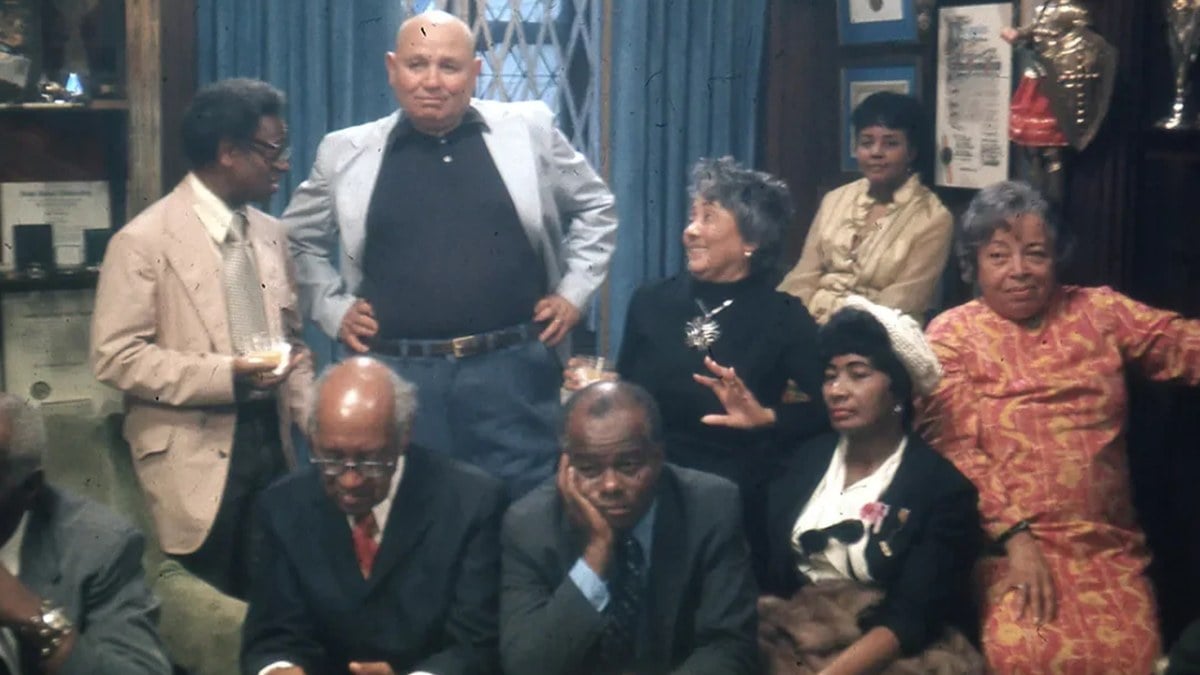
- William Greaves filmed Harlem Renaissance luminaries at Duke Ellington’s apartment in 1972, then spent decades developing the footage; Louise Archambault Greaves, David Greaves and Liani Greaves completed the project after his death in 2014.
- Neon paired social-media outreach and school involvement with distribution to arthouses and larger theaters, a strategy Liani Greaves credited for bringing the documentary to younger audiences.
- Liani Greaves said the filmmakers expected mainly older viewers, while younger audiences told the family they had not known that this kind of film or these kinds of people existed.
Why It Matters
With a U.S. opening in October, Neon used school outreach, social media and theater distribution to reach young viewers, running counter to the filmmakers’ expectation of an older audience. That broader audience gives the Greaveses the intergenerational connection they sought for the long-gestating Harlem documentary.
Sources Cited
Related Coverage
Ask SkimNews