Review: Oakley's 'Sense and Sensibility' Is Solid but Muted
The 30-Second Skim7 points
- What happenedGeorgia Oakley's new 'Sense and Sensibility' adaptation earns praise for its moody, naturalistic visuals but is faulted for feeling muted and stripping away Austen's signature wit compared to Ang Lee's 1995 classic.
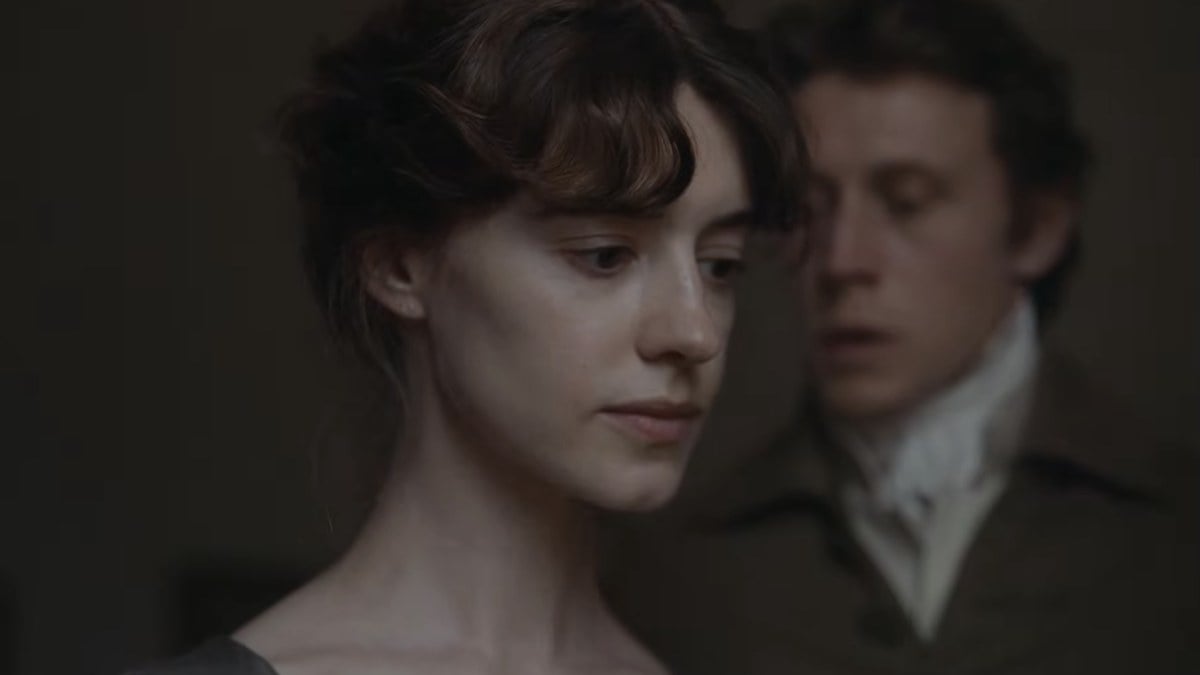
- Key facts & numbersGeorgia Oakley directed a moody, naturalistic adaptation of Jane Austen's 'Sense and Sensibility,' her first feature since the BAFTA-winning 'Blue Jean,' with Diana Reid writing the script Daisy Edgar-Jones plays the prudent Elinor and Esmé Creed-Miles the vivacious Marianne, opposite George MacKay as Edward and Frank Dillane as Willoughby, with Caitríona Balfe as Mrs. Dashwood and Fiona Shaw as Mrs. Jennings The reviewer compares the film unfavorably to Ang Lee's 1995 'Sense and Sensibility,' calling Oakley's version 'slightly muted,' 'oddly safe,' and one that strips away the wit that makes Austen Austenesque
- What happens nextDillane's Willoughby called the only presence bringing unstudied lightness — buried praise in an otherwise muted verdict on Oakley's Austen swing.
- Georgia Oakley directed a moody, naturalistic adaptation of Jane Austen's 'Sense and Sensibility,' her first feature since the BAFTA-winning 'Blue Jean,' with Diana Reid writing the script
- Daisy Edgar-Jones plays the prudent Elinor and Esmé Creed-Miles the vivacious Marianne, opposite George MacKay as Edward and Frank Dillane as Willoughby, with Caitríona Balfe as Mrs. Dashwood and Fiona Shaw as Mrs. Jennings
- The reviewer compares the film unfavorably to Ang Lee's 1995 'Sense and Sensibility,' calling Oakley's version 'slightly muted,' 'oddly safe,' and one that strips away the wit that makes Austen Austenesque
- Frank Dillane's Willoughby is singled out as 'perhaps the only major presence in the film that brings an unstudied lightness and humor' — confirmation, per the reviewer, that his recent breakthrough was 'no fluke'
Why It Matters
For audiences weighing a new Austen adaptation, the review signals a visually textured but tonally restrained take that trails Lee's benchmark, with the trade-off between naturalistic mood and Austen's wit sitting at the center of the verdict. Frank Dillane's Willoughby emerges as the clear standout in a film the critic finds earnest but lacking star power.
Sources Cited
Related Coverage
Ask SkimNews
The day’s news in one short email, every morning.
Free. One email a day. Unsubscribe in one click.