A really simple guide to climate change
The 30-Second Skim
- What happened: Human-driven warming made 2024 the hottest year on record and pushed the world toward breaching the Paris 1.5C target, while the IPCC says urgent emissions cuts are needed to limit severe harm and the risk of irreversible changes.
- Key facts & numbers: IPCC says natural causes cannot explain the particularly rapid warming of the past century and attributes it without doubt to human activity, especially fossil-fuel burning; atmospheric CO2 has risen by more than 50% since the Industrial Revolution. 2024 was Earth's hottest year on record and, according to Copernicus, the first calendar year to surpass 1.5C above pre-industrial levels; the Met Office reports every decade since the 1980s warmer than the last, while El Niño makes 2026 likely among the hottest years ever recorded. Nepal suffered August 2026 flash floods that killed more than 1,400 people; Finance Minister Swarnim Wagle said rebuilding could cost up to one-tenth of the economy, while World Weather Attribution said climate change increased the chances of the glacier collapse that triggered the flood.
- What happens next: Met Office and Copernicus show record heat; IPCC pins warming on humans. A one-year 1.5C reading is not a breach of the 20-year Paris target.
- IPCC says natural causes cannot explain the particularly rapid warming of the past century and attributes it without doubt to human activity, especially fossil-fuel burning; atmospheric CO2 has risen by more than 50% since the Industrial Revolution.
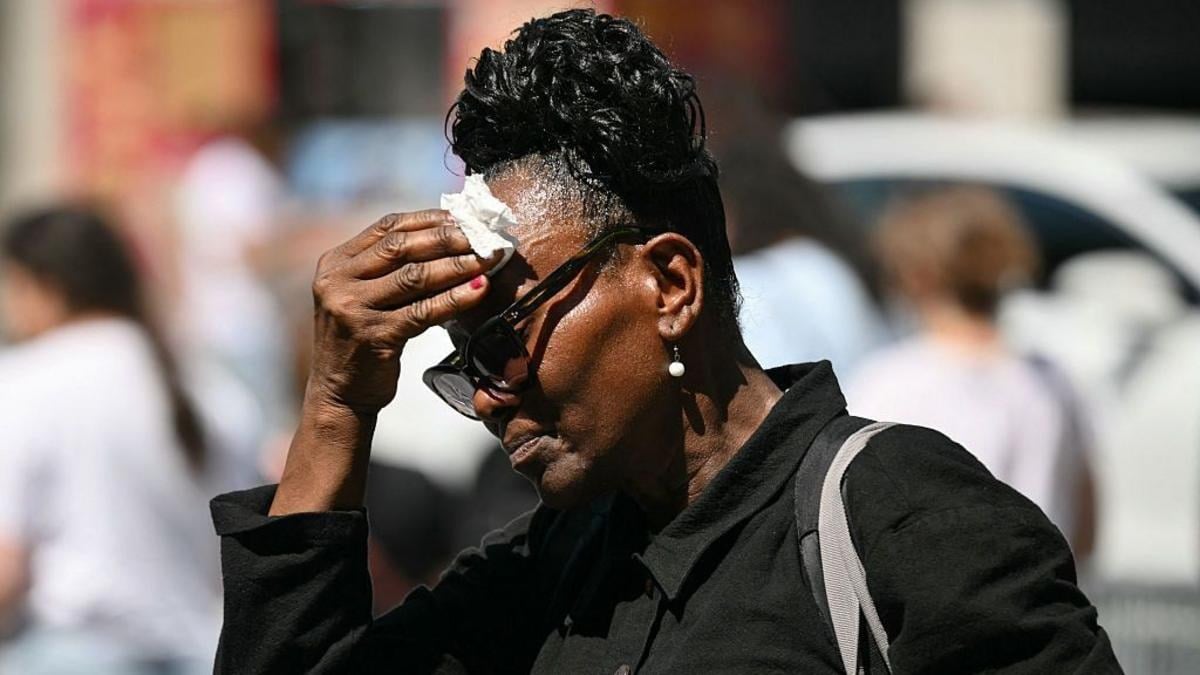
- 2024 was Earth's hottest year on record and, according to Copernicus, the first calendar year to surpass 1.5C above pre-industrial levels; the Met Office reports every decade since the 1980s warmer than the last, while El Niño makes 2026 likely among the hottest years ever recorded.
- Nepal suffered August 2026 flash floods that killed more than 1,400 people; Finance Minister Swarnim Wagle said rebuilding could cost up to one-tenth of the economy, while World Weather Attribution said climate change increased the chances of the glacier collapse that triggered the flood.
- Paris agreement sets a 1.5C target nearly 200 countries pledged to pursue, understood as a 20-year average rather than a one-year spike; at 2C or more, extreme-heat exposure, food insecurity, disease spread and extinction risks grow, while possible tipping points include the Greenland Ice Sheet, warm Atlantic currents and Amazon rainforest loss.
Why It Matters
The IPCC expects poorer countries to suffer most from climate change despite their typically small share of greenhouse-gas emissions and fewer resources to adapt. With 3.3–3.6 billion people highly vulnerable, the $300bn-a-year pledge for developing nations by 2035 falls far below their stated needs.
Sources Cited
- BBC Environment — A really simple guide to climate change
Related Coverage
- Cop31 Collapses Without Agreement on Fossil FuelsThe Guardian Environment
- U.N. Report Finds Rising Energy Imbalance on EarthNYT Climate
- ‘Risk multiplier’: super El Niño looms over Cop31 as climate pattern fuels global disastersThe Guardian Environment
- Cop31 Pact Fails as Just-Transition Work ContinuesThe Guardian Environment
Ask SkimNews