America's AC-dependent homes are heat death traps
The 30-Second Skim7 points
- What happenedRecord heat waves are exposing the limits of both America's AC-dependent architecture and Europe's centuries-old passive cooling strategies, reviving interest in ancient techniques like reflective paint, wind catchers, and shaded design.
- Key facts & numbersWestern Europe suffered a record July heat wave that killed at least 1,300 people, exposing the limits of passive cooling methods — reflective white paint, thick shutters, and ventilated courtyards — in a warming climate. Henry Galson invented the low-cost residential window AC unit in 1947, enabling postwar suburban expansion into hot Sunbelt climates; Phoenix grew from 65,000 residents to the fifth-largest US city. Researchers estimate a two-day Phoenix blackout during a heat wave could kill 12,800 people (~1% of population); street trees shading half the roads would cut that toll 27%, and cool roofs would cut it 66%.
- What happens nextThe 1947 window AC unit basically rewrote where Americans could live — and how they could die. The Phoenix blackout math is grim.
- Western Europe suffered a record July heat wave that killed at least 1,300 people, exposing the limits of passive cooling methods — reflective white paint, thick shutters, and ventilated courtyards — in a warming climate.
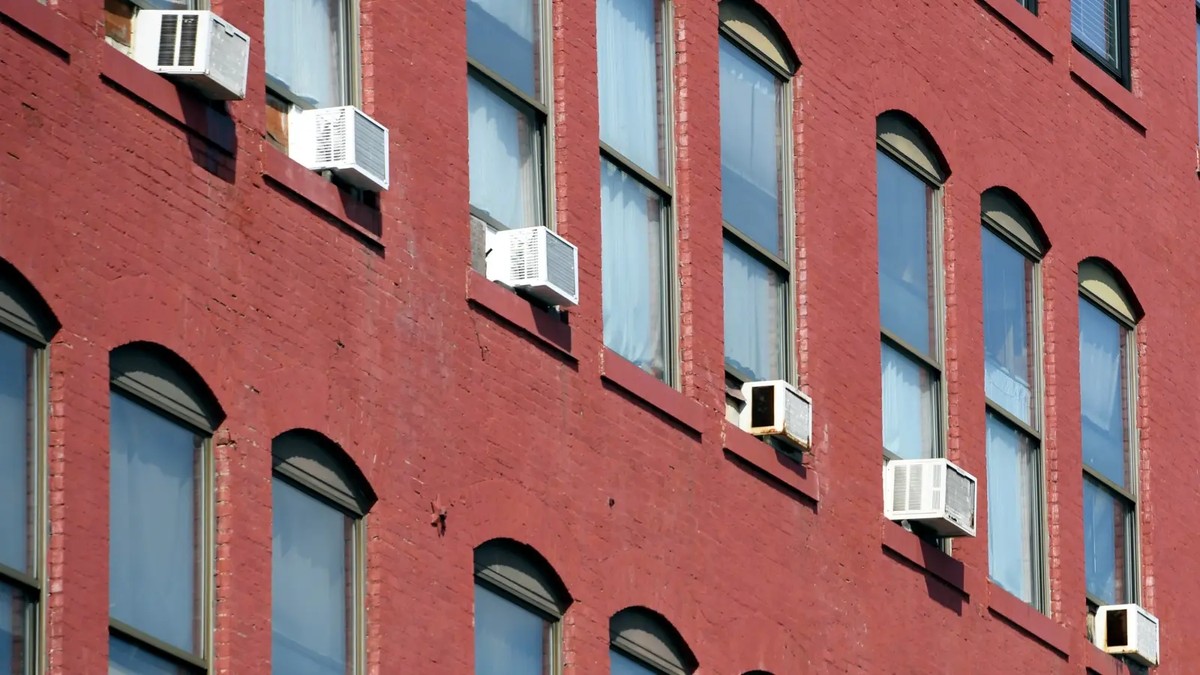
- Henry Galson invented the low-cost residential window AC unit in 1947, enabling postwar suburban expansion into hot Sunbelt climates; Phoenix grew from 65,000 residents to the fifth-largest US city.
- Researchers estimate a two-day Phoenix blackout during a heat wave could kill 12,800 people (~1% of population); street trees shading half the roads would cut that toll 27%, and cool roofs would cut it 66%.
- US power outages have doubled over the past two decades; after Hurricane Beryl knocked out Texas power in 2024, dozens to hundreds died from heat-related causes, potentially exceeding the storm's direct death toll.
Why It Matters
Researchers warn that in cities like Phoenix, the next multi-day blackout during a heat wave could kill over 12,000 people unless builders adopt passive strategies — cool roofs, tree shade, reflective materials, mobile-home retrofits — while electricity costs keep rising for AC-dependent households and vulnerable residents risk disconnection over small unpaid bills.
Background & Timeline
- ContextThe simultaneous failure of both AC-heavy and passive designs implies historical climate baselines have already shifted, meaning revived ancient techniques may now be optimizing for a world that no longer exists.
Sources Cited
- Better Homes & Gardens AustraliaWant a low-maintenance garden? These tough new natives make it easy
- The Washington PostWhy mobile homes get hit hard by extreme weather and how to build better
Related Coverage
Ask SkimNews
The day’s news in one short email, every morning.
Free. One email a day. Unsubscribe in one click.