AI data centers throw another wrench into chaotic UN climate talks
The 30-Second Skim
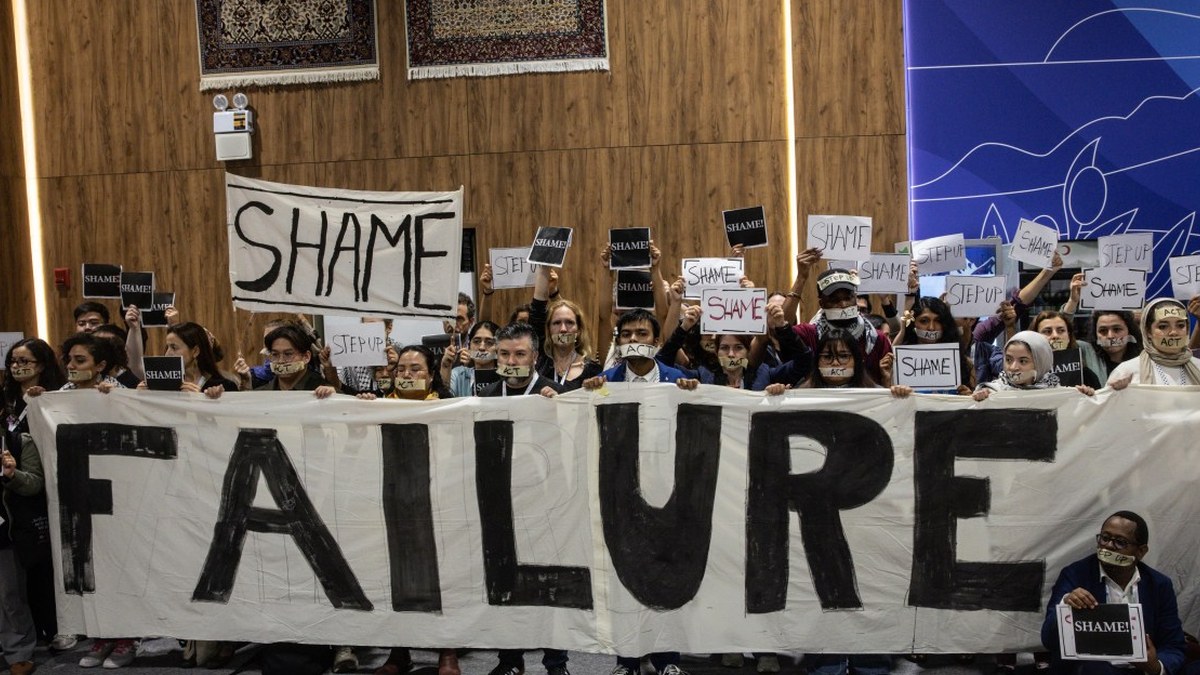
- What happened: Official negotiations at the UN's COP31 summit in Antalya, Turkey, collapsed after running two days over schedule, with the EU, UK and climate-vulnerable nations rejecting a pact that omitted "fossil fuels." The U.S. was absent after the Trump administration exited the Paris accord. Only voluntary pledges on electrification and AI data centers survived.
- Key facts & numbers: About 80 nations signed a voluntary pledge to raise electricity's share of energy consumption to 35% over the next decade, from roughly 20% today. The IEA forecasts data center electricity consumption will double by 2030, and a Sierra Club analysis finds U.S. power-sector emissions could rise 42% by then.
- What happens next: The signatory list for the roughly 80-nation 35% electrification pledge has not been published, per Carbon Brief, leaving the voluntary framework's reach unverified; the Antalya A.I. pledge also landed without teeth or broad support.
Why It Matters
For utilities and grid planners, the Sierra Club's projection of a 42% jump in U.S. power-sector emissions by 2030 and the IEA's forecast of data center demand doubling by 2030 turn AI load growth into a buildout decision: serving it with gas and coal locks in the emissions COP31 failed to prevent.
For hyperscalers, Meta's re-evaluation of its net-zero timeline, alongside growing footprints at Google and Microsoft, weakens the corporate commitments that were supposed to keep the AI boom from becoming a fossil fuel boom. Douglas's warning that data centers are outbidding households for speed to power puts cooling and electrification in direct competition for the same grid capacity.
How Outlets Are Framing It
- [The Verge]: Builds the story around AI data centers as the spoiler of the summit, pairing the collapse of the negotiated pact with the 35% electrification target and Douglas's warning that data centers outbid other users for green power.
- [Carbon Brief]: Supplies the fine print on what actually survived — roughly 80 signatories to the voluntary 35% electrification pledge with the country list still unpublished, and the AI pledge's "low-emission energy" wording leaving natural gas open.
- [Sierra Club]: Quantifies the U.S. penalty, with an analysis showing power-sector emissions could rise 42% by 2030 as fossil-fuel infrastructure is built to meet data center electricity demand.
Background & Timeline
- [2015]: The Paris climate accord set the framework every COP tries to advance, with each summit tasked with turning pledges into actual emissions cuts.
- [Recent years]: Google, Microsoft and Meta made corporate net-zero commitments that the AI boom is now pushing out of reach, with Meta's climate pollution up 45% year over year.
- [2030]: Paris goals require roughly halving greenhouse gas emissions by 2030 before reaching net zero by mid-century — the deadline that surging data center power demand runs against.
Sources Cited
Related Coverage
Ask SkimNews