America doesn’t need faster e-bikes. It needs better small electric vehicles
The 30-Second Skim
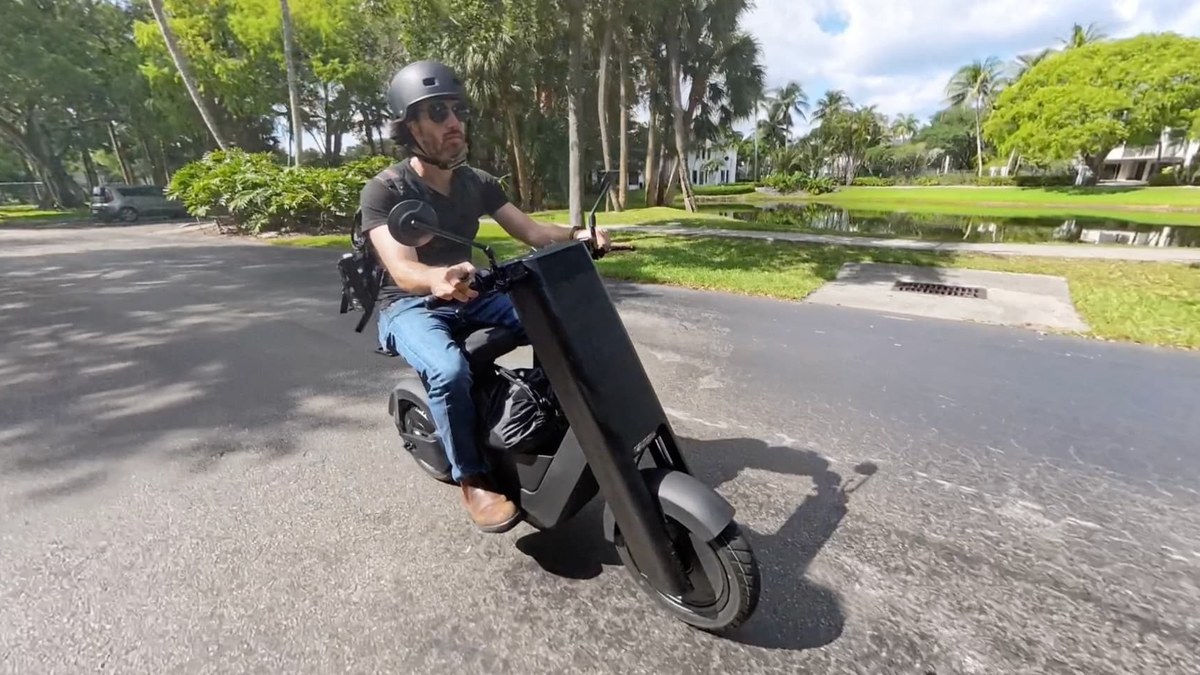
- What happened: The author argues the US needs a new regulatory class for modest-speed electric vehicles capped around 35 mph, using the Infinite Machine Olto as a model, instead of stretching e-bike speeds higher.
- Key facts & numbers: The US Class 3 e-bike framework caps pedal-assist at 28 mph (45 km/h) with a 750W power limit — a system credited with accelerating e-bike adoption but now strained by riders who want more than a bicycle without buying a full motorcycle. The Infinite Machine Olto weighs less than a motorcycle yet exceeds e-bike limits, carrying two passengers plus cargo and reaching 35 mph (56 km/h) with a 2,000W power ceiling in its unlocked moped mode. The article proposes a new US vehicle class limited to roughly 35 mph, requiring hydraulic brakes, mirrors, turn signals, lighting, registration, and a helmet — banned from bike paths but exempt from full motorcycle regulation aimed at 80 mph (130 km/h) machines.
- What happens next: Hot take: stop bolting motorcycle parts onto e-bikes — just admit America needs a 35 mph small EV class. Europe's been doing this with L1e for decades.
- The US Class 3 e-bike framework caps pedal-assist at 28 mph (45 km/h) with a 750W power limit — a system credited with accelerating e-bike adoption but now strained by riders who want more than a bicycle without buying a full motorcycle.
- The Infinite Machine Olto weighs less than a motorcycle yet exceeds e-bike limits, carrying two passengers plus cargo and reaching 35 mph (56 km/h) with a 2,000W power ceiling in its unlocked moped mode.
- The article proposes a new US vehicle class limited to roughly 35 mph, requiring hydraulic brakes, mirrors, turn signals, lighting, registration, and a helmet — banned from bike paths but exempt from full motorcycle regulation aimed at 80 mph (130 km/h) machines.
- Europe and Asia already regulate this middle ground via L1e and L3e classes that split 50cc-style mopeds from higher-power motorbikes, making small electric scooters dominant urban transport in cities abroad.
Why It Matters
US regulators currently force a binary choice between Class 3 e-bikes capped at 28 mph and full motorcycles, leaving compact EVs like the Olto, Beachman Aviator, and Engwe M20 3.0 in a legal gray zone even though they already sell. A purpose-built ~35 mph class with mirror, brake, and registration requirements would legitimize vehicles that match real urban traffic flow on streets posted at 25 mph without imposing motorcycle-grade burdens on riders or manufacturers.
Sources Cited
Related Coverage
Ask SkimNews