Barnes Hedgehog Highway Drills Through Victorian Walls
The 30-Second Skim7 points
- What happenedA community-built network of hedgehog tunnels and drilled fence holes in Barnes, south-west London, is helping the vulnerable species move between gardens, with residents and ZSL scientists working to support one of Britain's most at-risk urban mammals.
- Key facts & numbersAlice Mallorie has spent years adapting her Barnes garden with hedgehog tunnels, holes in fences, and a passage drilled through a thick Victorian boundary wall, forming part of a wider community 'hedgehog highway.' The hedgehog highway was launched by resident Michel Birkenwald after he discovered a hedgehog living in his garden, and it has since spread across the local community via the Barnes Community Association. The Zoological Society of London (ZSL) is monitoring urban hedgehog populations using camera traps deployed across 21 London boroughs, gathering millions of images to map where the animals remain active.
- What happens nextBuried under the cute factor: hedgehogs are red-listed and 75% of rural populations are gone since 2000. The 'highway' is literally drilled holes in Victorian walls.
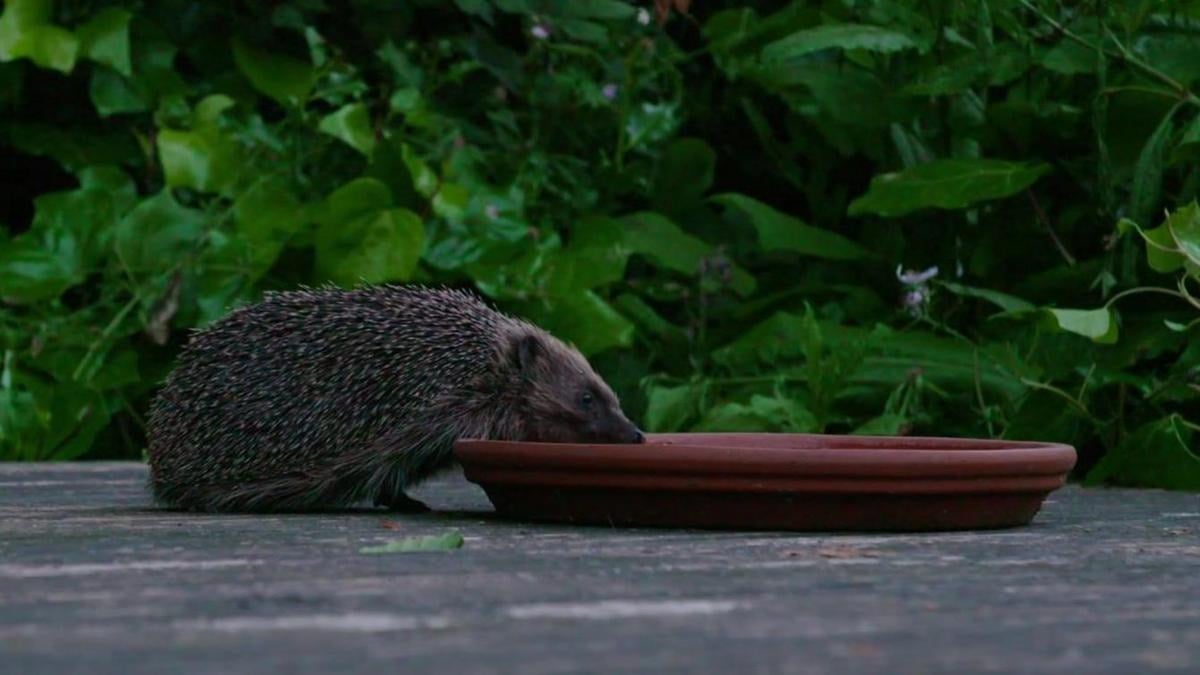
- Alice Mallorie has spent years adapting her Barnes garden with hedgehog tunnels, holes in fences, and a passage drilled through a thick Victorian boundary wall, forming part of a wider community 'hedgehog highway.'
- The hedgehog highway was launched by resident Michel Birkenwald after he discovered a hedgehog living in his garden, and it has since spread across the local community via the Barnes Community Association.
- The Zoological Society of London (ZSL) is monitoring urban hedgehog populations using camera traps deployed across 21 London boroughs, gathering millions of images to map where the animals remain active.
- Barnes is classified as a key hedgehog hotspot in London according to ZSL monitoring data.
Why It Matters
Hedgehogs are classified as vulnerable to extinction in Britain, with up to 75% of rural populations lost since 2000, and ZSL says the species cannot cross London's urban infrastructure on its own. The Barnes highway — drilled fence passages and tunnel networks linking neighbouring gardens — shows how micro-habitat connectivity can be built cheaply by residents, giving ZSL a working model as it tracks populations across 21 boroughs.
Sources Cited
- BBC EnvironmentThe tiny highway helping the capital's hedgehogs
Related Coverage
Ask SkimNews
The day’s news in one short email, every morning.
Free. One email a day. Unsubscribe in one click.