Battery Storage Enables India’s 47% Emissions Cut
The 30-Second Skim
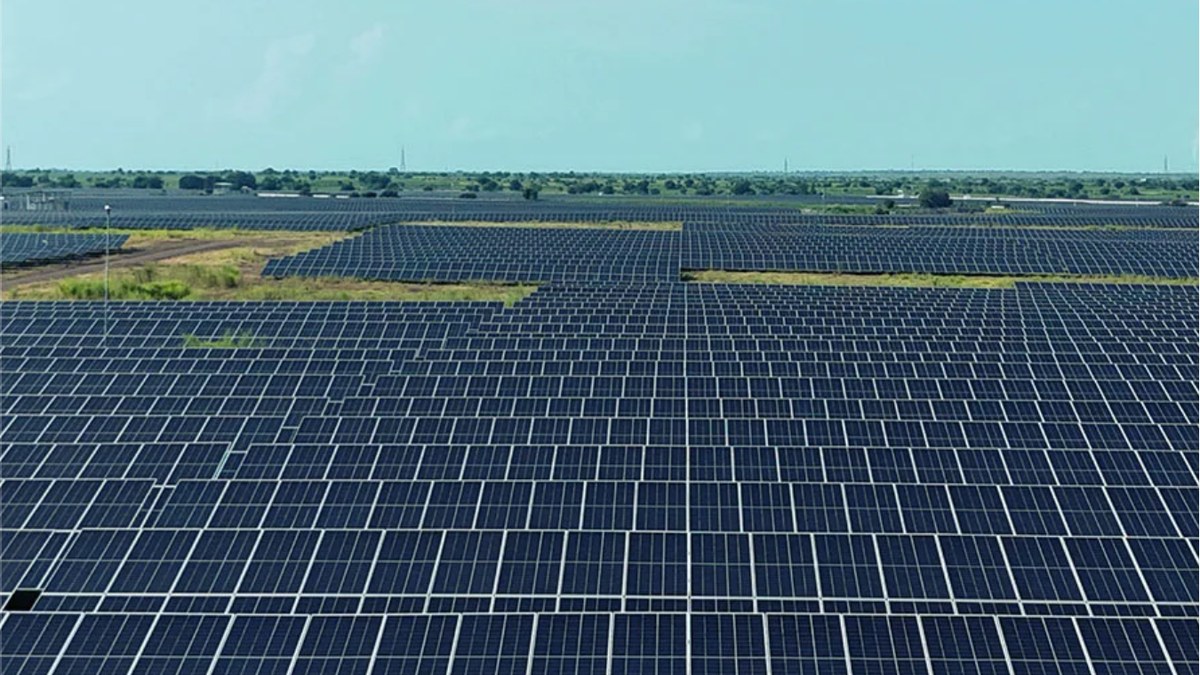
- What happened: India’s updated climate targets hinge on a rapid rollout of cheap battery storage, which Ember says can power up to 90% of the nation’s electricity at competitive rates, making solar‑plus‑storage the linchpin of its emissions cut.
- Key facts & numbers: India updated its carbon emissions targets, aiming for a 47% reduction in emissions intensity by 2035, 60% non‑fossil electricity capacity by 2035, and net‑zero by 2070. Ember reports that solar plus battery storage can meet up to 90% of India’s electricity demand at a competitive cost of INR 5.06 /kWh ($56/MWh), lower than average state power purchase prices. Kostantsa Rangelova of Ember says the rapid drop in battery costs provides the “missing piece” for reliable day‑and‑night solar power, making India a potential global solar superpower.
- What happens next: While headlines shout solar‑plus‑storage as the cure‑all, the report flags debt‑finance as the real bottleneck for India’s 500 GW goal.
- India updated its carbon emissions targets, aiming for a 47% reduction in emissions intensity by 2035, 60% non‑fossil electricity capacity by 2035, and net‑zero by 2070.
- Ember reports that solar plus battery storage can meet up to 90% of India’s electricity demand at a competitive cost of INR 5.06 /kWh ($56/MWh), lower than average state power purchase prices.
- Kostantsa Rangelova of Ember says the rapid drop in battery costs provides the “missing piece” for reliable day‑and‑night solar power, making India a potential global solar superpower.
- IEEFA warns that achieving India’s 500 GW renewable goal by 2030 hinges on debt‑finance structures, noting that clean‑energy assets now enjoy stronger margins and better access to international capital than thermal assets.
Why It Matters
India’s power generators and clean‑energy investors stand to gain from lower LCOE and stronger financing, while fossil‑fuel utilities face tighter margins and reduced access to capital as battery costs plunge and credit markets favor renewables. The shift also reduces India’s exposure to volatile imported oil and gas prices, cushioning the economy against geopolitical shocks.
Sources Cited
- CleanTechnica — Battery Energy Storage Key To India Emissions Reduction Goal
- Energy-Storage.News — How thermal energy storage (TES) makes steam from renewables economically viable
- Norton Rose Fulbright — India’s Union Budget 2026: Key highlights in relation to India’s energy transition
- usthadian.com — India New NDC Targets 2035 Climate Goals
- The World Economic Forum — These are the top five energy technology trends of 2025
Related Coverage
Ask SkimNews