Utrecht Scientists Propose Bering Dam to Boost AMOC
The 30-Second Skim
- What happened: Utrecht researchers propose an unprecedented dam across the Bering Strait to block Pacific freshwater and revive the weakening Atlantic Meridional Overturning Circulation, a key driver of Europe’s mild climate. New high‑resolution climate models presented at the European Geosciences Union suggest the dam would significantly strengthen the AMOC if built by 2050, while engineers outline a massive but technically feasible construction method, and economists note the idea’s intrigue.
- Key facts & numbers: Jelle Soons and Henk Dijkstra of University of Utrecht propose a Bering Strait dam to halt Pacific freshwater inflow and boost the Atlantic Meridional Overturning Circulation (AMOC). European Geosciences Union presented on 5 May that high‑resolution supercomputer simulations show closing the Strait would strengthen the AMOC, especially if construction starts by 2050. Bering Strait is only 59 m deep at its deepest point and has two small islands, making a two‑section barrier technically feasible.
- What happens next: Imagine building a 60‑metre‑deep dam across the Bering Strait to keep Europe warm – wild, pricey, but maybe our last climate hack.
- Jelle Soons and Henk Dijkstra of University of Utrecht propose a Bering Strait dam to halt Pacific freshwater inflow and boost the Atlantic Meridional Overturning Circulation (AMOC).
- European Geosciences Union presented on 5 May that high‑resolution supercomputer simulations show closing the Strait would strengthen the AMOC, especially if construction starts by 2050.
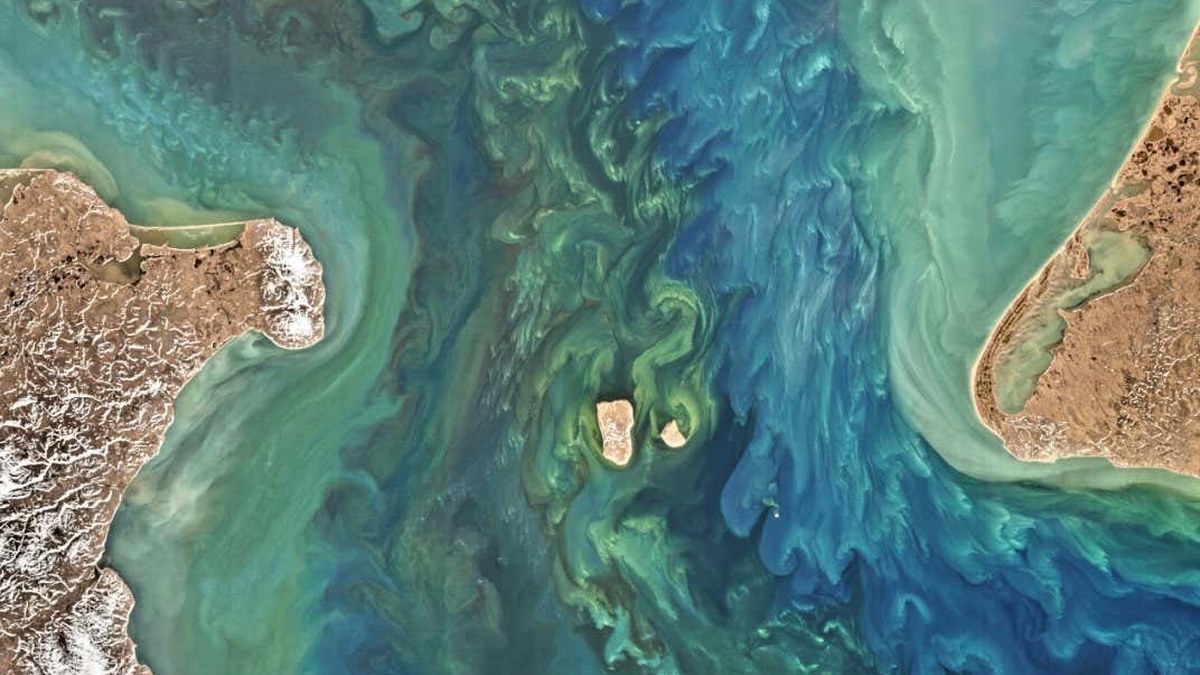
- Bering Strait is only 59 m deep at its deepest point and has two small islands, making a two‑section barrier technically feasible.
- Ed McCann of Expedition Engineering recommends a floating‑machinery, rock‑and‑sand barrier instead of concrete, calling the project “simple, just very big and very expensive”.
Why It Matters
European governments could avert a sudden north‑European cooling that would threaten agriculture and spike energy demand, but only if a massive dam is built by 2050, demanding a huge, costly engineering effort.
Sources Cited
Related Coverage
Ask SkimNews