Bumblebee project seeking to help rare species
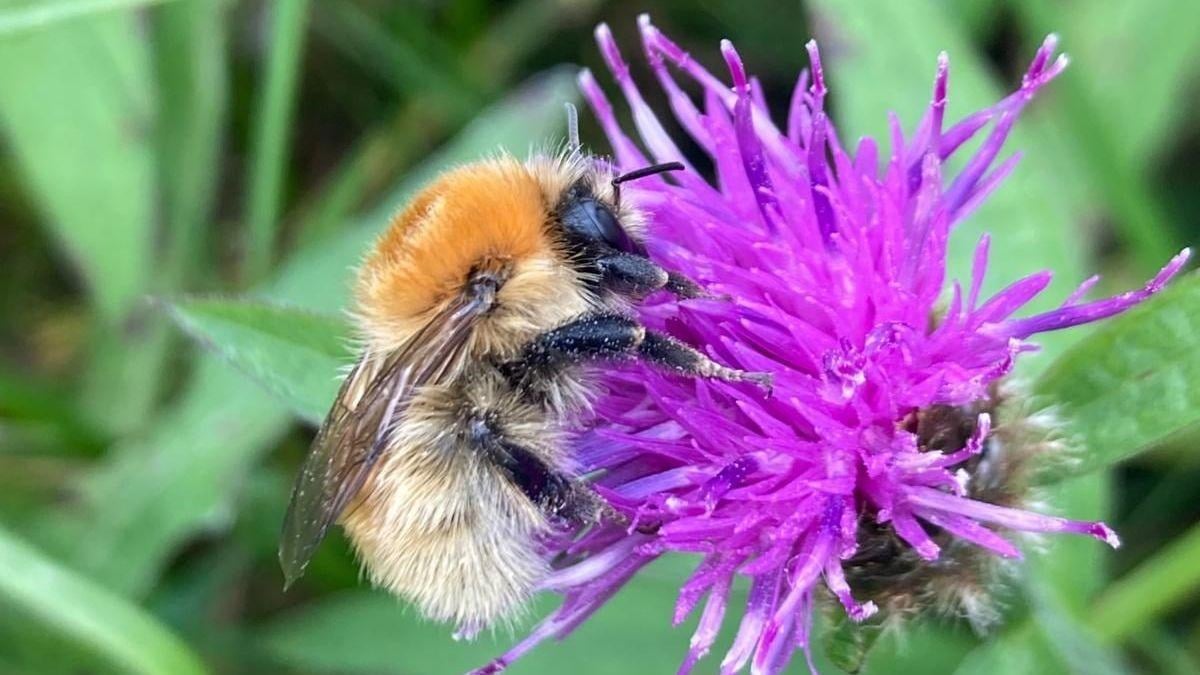
The 30-Second Skim7 points
- What happenedThe Bumblebee Conservation Trust and the University of Cambridge have launched a £907,000, three-year project to recover the Moss carder bumblebee, one of England's most threatened pollinators, across three targeted landscapes.
- Key facts & numbersBumblebee Conservation Trust is leading a £907,000, three-year scheme alongside the University of Cambridge to recover the Moss carder species, described as one of the UK's "most threatened." Natural England's Species Recovery Programme contributed more than £530,000 to the project, with senior officer Tylan Berry calling the Moss carder "one of England's most threatened pollinators." The project will trial small-scale habitat interventions with landowners across Cornwall's coastal grasslands, dunes and heathland, Kent's grazing marshes and sea walls, and the North Pennines upland fringe.
- What happens nextThe key detail most coverage will skim past: Moss carders don't range far from their nests, so habitat fragmentation hits them harder than other bees — that's why this needs landscape-level fixes, not just wildflower borders.
- Bumblebee Conservation Trust is leading a £907,000, three-year scheme alongside the University of Cambridge to recover the Moss carder species, described as one of the UK's "most threatened."
- Natural England's Species Recovery Programme contributed more than £530,000 to the project, with senior officer Tylan Berry calling the Moss carder "one of England's most threatened pollinators."
- The project will trial small-scale habitat interventions with landowners across Cornwall's coastal grasslands, dunes and heathland, Kent's grazing marshes and sea walls, and the North Pennines upland fringe.
- Moss carder bumblebees exist in small, fragmented populations and typically forage closer to their nests than most other bumblebees, making habitat loss and fragmentation a disproportionately severe threat.
Why It Matters
With more than £530,000 of public funding from Natural England directed at a single pollinator species, the project ties taxpayer money to a targeted recovery effort for an insect whose short foraging range makes it uniquely vulnerable to England's ongoing habitat fragmentation — meaning conservation gains here depend on whether landowners across three distinct regions can sustain the small-scale landscape changes the trust will trial.
Sources Cited
- BBC EnvironmentBumblebee project seeking to help rare species
Related Coverage
Ask SkimNews
The day’s news in one short email, every morning.
Free. One email a day. Unsubscribe in one click.