Imperial County data center to need 750k gallons water
The 30-Second Skim7 points
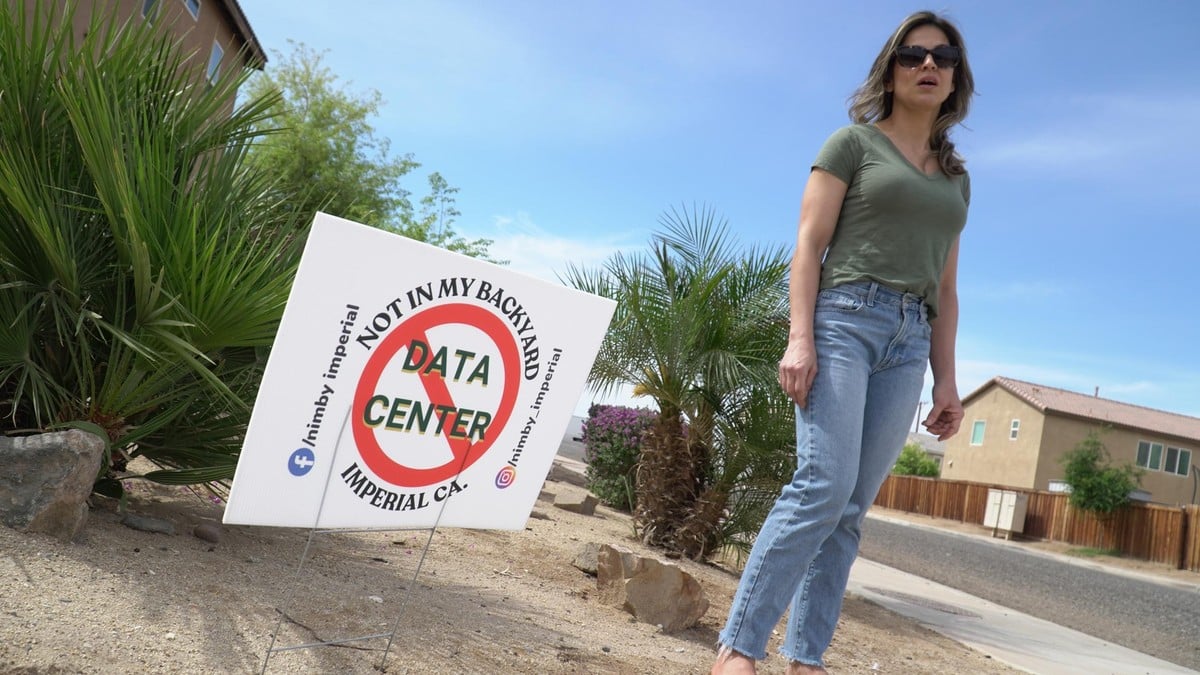
- What happenedA $10 billion, 330‑megawatt data center slated for Imperial County could consume 750,000 gallons of water each day, sparking local opposition and legal challenges over water and environmental impacts.
- Key facts & numbersSebastian Rucci announced a proposed 950,000‑square‑foot, two‑story data center in Imperial County, costing about $10 billion and delivering 330 MW of power, expected to be completed by 2028. The facility would require roughly 750,000 gallons of water per day for cooling, a figure the developer says will not raise electricity or water costs for the region. Imperial County officials have filed a lawsuit demanding higher environmental review under the California Environmental Quality Act, and the local water district is still reviewing the project’s water impact.
- What happens nextThe Imperial County plan hides a 750k‑gallon‑a‑day water drain—something most headlines miss amid the data‑center boom.
- Sebastian Rucci announced a proposed 950,000‑square‑foot, two‑story data center in Imperial County, costing about $10 billion and delivering 330 MW of power, expected to be completed by 2028.
- The facility would require roughly 750,000 gallons of water per day for cooling, a figure the developer says will not raise electricity or water costs for the region.
- Imperial County officials have filed a lawsuit demanding higher environmental review under the California Environmental Quality Act, and the local water district is still reviewing the project’s water impact.
- US Water Alliance poll shows 54 % of respondents are extremely or very concerned about data‑center impacts on water quality, supply, and cost, while two‑thirds want a state plan for water effects.
Why It Matters
Local residents risk higher water bills and strained supply as the $10 billion Imperial County data center threatens to draw 750,000 gallons daily, while the state’s fragmented permitting and lack of water‑use reporting leave communities without safeguards against rising utility costs.
Sources Cited
Related Coverage
Ask SkimNews