'Not afraid to stay': The Canadians who want to change how wildfires are fought
The 30-Second Skim
- What happened: As Canada's worst-ever wildfire seasons push resources beyond capacity, some remote and First Nations communities are training their own residents to defend their homes — defying evacuation orders and clashing with officials who say the stay-and-defend approach puts lives at risk.
- Key facts & numbers: Hubert Wigwas, a 58-year-old councillor from Gull Bay First Nation in northern Ontario, defied evacuation orders as a wildfire burned 24km from his community, installing roof sprinklers and fuelling four escape boats — and now faces a C$800 ($570; £425) fine he plans to fight in court. Canada's 2023 wildfire season was its most destructive on record, scorching forest land roughly the size of Syria; as of this August, more than 750 wildfires are actively burning nationwide, including over 150 in Ontario's northwest and 115 in British Columbia. President Donald Trump threatened to further tariff Canada over wildfire smoke choking the US Midwest, calling the cross-border air "filthy, polluted."
- What happens next: The evacuation-vs-defend fight is now a Canadian wildfire flashpoint — Indigenous-led crews are quietly building the country's most practical grassroots firefighting network, with no official blessing.
- Hubert Wigwas, a 58-year-old councillor from Gull Bay First Nation in northern Ontario, defied evacuation orders as a wildfire burned 24km from his community, installing roof sprinklers and fuelling four escape boats — and now faces a C$800 ($570; £425) fine he plans to fight in court.
- Canada's 2023 wildfire season was its most destructive on record, scorching forest land roughly the size of Syria; as of this August, more than 750 wildfires are actively burning nationwide, including over 150 in Ontario's northwest and 115 in British Columbia.
- President Donald Trump threatened to further tariff Canada over wildfire smoke choking the US Midwest, calling the cross-border air "filthy, polluted."
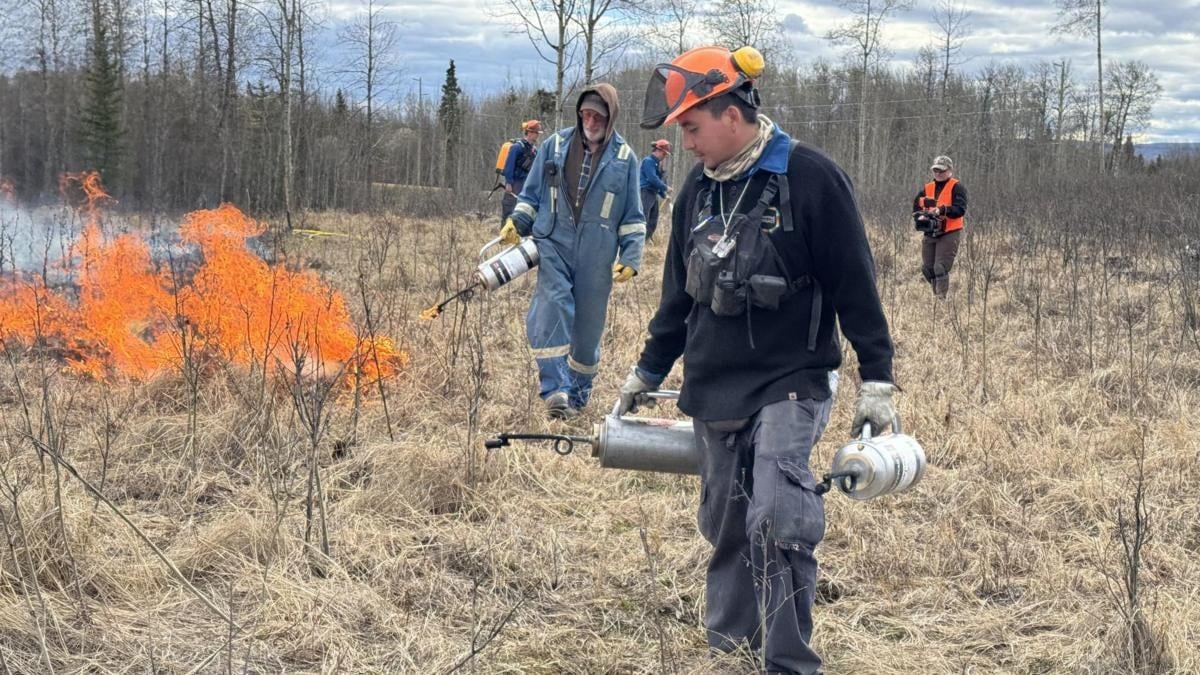
- Sonja Leverkus, a wildfire researcher in Fort Nelson, BC, has trained more than 400 people over three years through the Northeast BC Rural Incident Management Team — a primarily Indigenous group that has run prescribed burns and deployed self-funded fire wagons, sometimes arriving before provincial crews.
Why It Matters
With more than 750 wildfires burning and official crews stretched thin, remote and First Nations communities are building their own frontline response — but doing so without formal recognition creates legal and safety friction. Wigwas's C$800 fine and BC's forced rescue of a defiant resident in Clinton show the real cost of disobeying evacuation orders, while Leverkus's push to get her program certified could set a national precedent for community-led fire defense.
Sources Cited
Related Coverage
Ask SkimNews