Climate Action Cheaper Than Inaction, Central Banks Find
The 30-Second Skim
- What happened: Two former senior Canadian policy figures argue that the economic cost of climate inaction now vastly exceeds the cost of transitioning to net-zero, citing central bank analysis, extreme-weather damage figures, and recent mass evacuations from wildfires and typhoons.
- Key facts & numbers: Over two million people were evacuated from climate-related emergencies in the past three weeks — 400,000 in North America and Europe from wildfires and 1.9 million in China from typhoons, the authors report. A network of 148 central banks, including Canada's, concluded last year that the cost of transitioning to net-zero emissions is much lower than the cost of facing increasingly severe and frequent weather events. Insured damages from severe weather events and wildfires exceeded $2.4 billion in Canada and $100 billion globally last year, and the authors note most climate-related losses are not insured at all.
- What happens next: 148 central banks already ran the numbers. Canada's two biggest political leaders are still arguing the opposite.
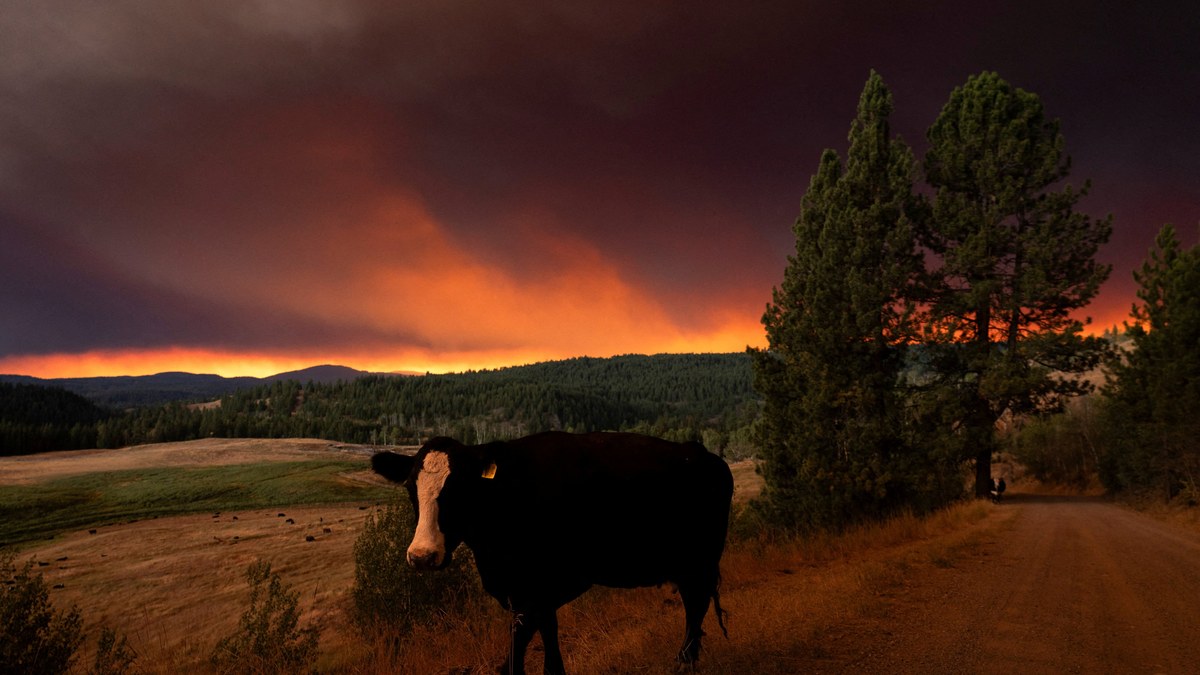
- Over two million people were evacuated from climate-related emergencies in the past three weeks — 400,000 in North America and Europe from wildfires and 1.9 million in China from typhoons, the authors report.
- A network of 148 central banks, including Canada's, concluded last year that the cost of transitioning to net-zero emissions is much lower than the cost of facing increasingly severe and frequent weather events.
- Insured damages from severe weather events and wildfires exceeded $2.4 billion in Canada and $100 billion globally last year, and the authors note most climate-related losses are not insured at all.
- Canadian forest fires in 2023 emitted more greenhouse gases than all direct human activity in Canada combined, illustrating a self-reinforcing feedback loop the authors say is accelerating the crisis.
Why It Matters
The op-ed directly challenges the cost framing used by both Carney and Poilievre, arguing that 148 central banks, the IEA, the UN, and reinsurer Swiss Re have already concluded delay is more expensive than transition. With global insured losses at $100 billion last year, Canadian wildfire emissions exceeding human-caused emissions in 2023, and recovery periods stretching over two decades, the financial case for action keeps compounding — making the political case against climate policy harder to defend on economic grounds.
Sources Cited
- Globe and Mail Business — Not addressing climate change costs the economy more. When will we finally get this?
Related Coverage
- Stern's Climate Economics Warning Turns 20 Amid InactionThe Guardian Environment
- Reform’s climate-economy trade-off is falseThe Guardian Environment
- Seth Klein: Wildfires Demand Wartime Fossil Fuel ResponseThe Guardian Environment
- For Climate-Vulnerable Countries, Debt Costs 25 Times More Than Climate ActionInside Climate News
Ask SkimNews