Climate Change Fuels Extreme Weather Surge in 2026
The 30-Second Skim
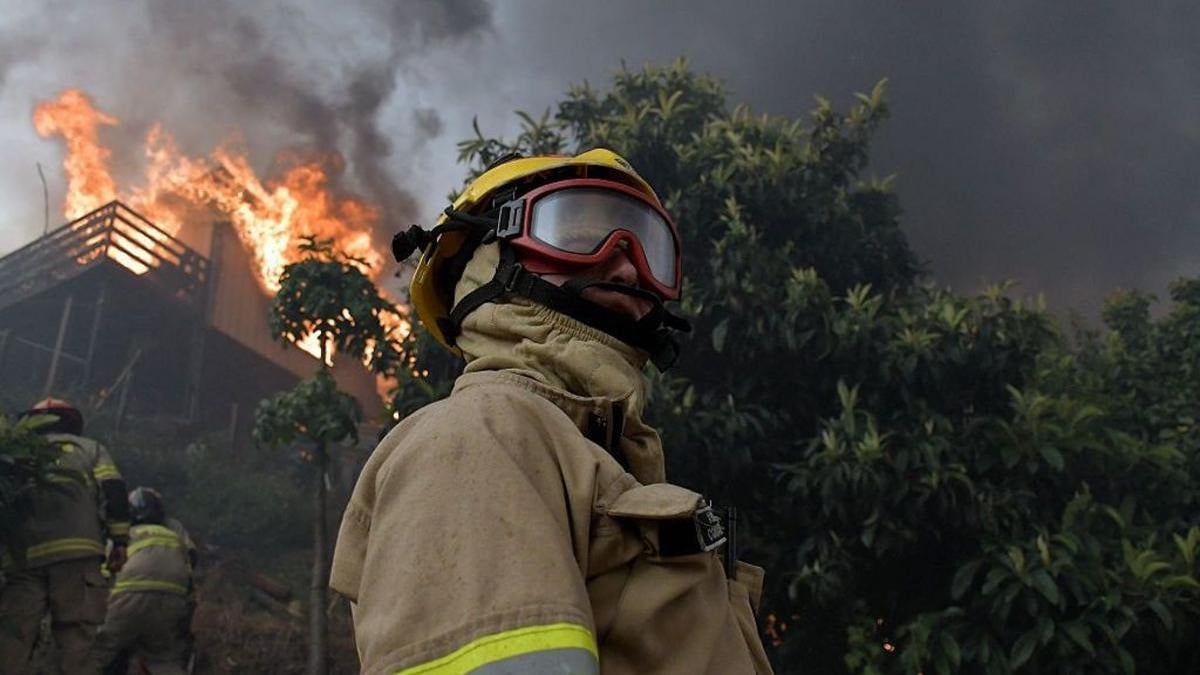
- What happened: In 2026, climate change significantly worsened extreme weather events worldwide, including record heatwaves, prolonged droughts, and intense wildfires. Scientific analyses attribute increased severity and likelihood of these events to human-caused global warming of approximately 1.4°C.
- Key facts & numbers: The UK's 2026 summer was made 130 times more likely by climate change, with 40 days above 30°C. In Jamaica and Puerto Rico, climate change made extreme drought conditions 40% and 30% more likely, respectively, per World Weather Attribution.
- What happens next: The UN Environment Programme projects extreme wildfires could increase by up to 50% by 2100, prompting calls for updated global fire management strategies and climate adaptation policies ahead of COP27.
Why It Matters
The increasing intensity of climate-driven disasters is straining infrastructure, agriculture, and public health systems worldwide. Insurers face rising claims from wildfire and flood damage, while governments must accelerate adaptation planning and emissions reductions to meet net-zero targets.
Regions like southern England and the Caribbean are experiencing unprecedented drought and storm impacts, signaling a shift in climate vulnerability. These trends could reshape migration patterns, food security, and energy demand, particularly as heatwaves drive higher cooling loads and water scarcity limits hydropower output.
How Outlets Are Framing It
- BBC Environment / Science Lens: Focuses on attribution science, emphasizing how models link specific events like the UK’s 2026 heatwave to human-caused warming through probabilistic analysis.
- Modern Ghana / Regional Impact Lens: Highlights climate effects on vulnerable regions, such as drought in Jamaica and Puerto Rico, framing the crisis through equity and global disparity.
- BBC / Public Awareness Lens: Balances technical data with public guidance, integrating extreme weather trends into broader climate literacy efforts like 'simple guides' and newsletters.
Background & Timeline
- June 2026: Europe experienced deadly heatwaves, with temperatures reaching 45°C in parts of India and widespread heat domes linked to jet stream changes.
- October 2025: Hurricane Melissa struck the Caribbean, with climate change increasing its extreme rainfall by 16%, according to World Weather Attribution analysis.
Sources Cited
Related Coverage
- Climate Crisis Made 2026 Europe Drought 80x More LikelyThe Guardian Environment
- ‘Extremely scary findings’ show climate crisis is supercharging Europe’s wildfire weatherThe Guardian Science
- Met Office Confirms Summer 2026 as UK's Hottest EverThe Guardian Environment
- Just how hot and dry was your summer? Use our postcode lookup to find outBBC Environment
Ask SkimNews