WMO Reports Record Earth Energy Imbalance
The 30-Second Skim
- What happened: The World Meteorological Organization’s latest State of the Global Climate report unveiled a record‑high Earth‑energy imbalance, signaling that the planet is trapping heat faster than it can release and that the resulting climate impacts will persist for centuries.
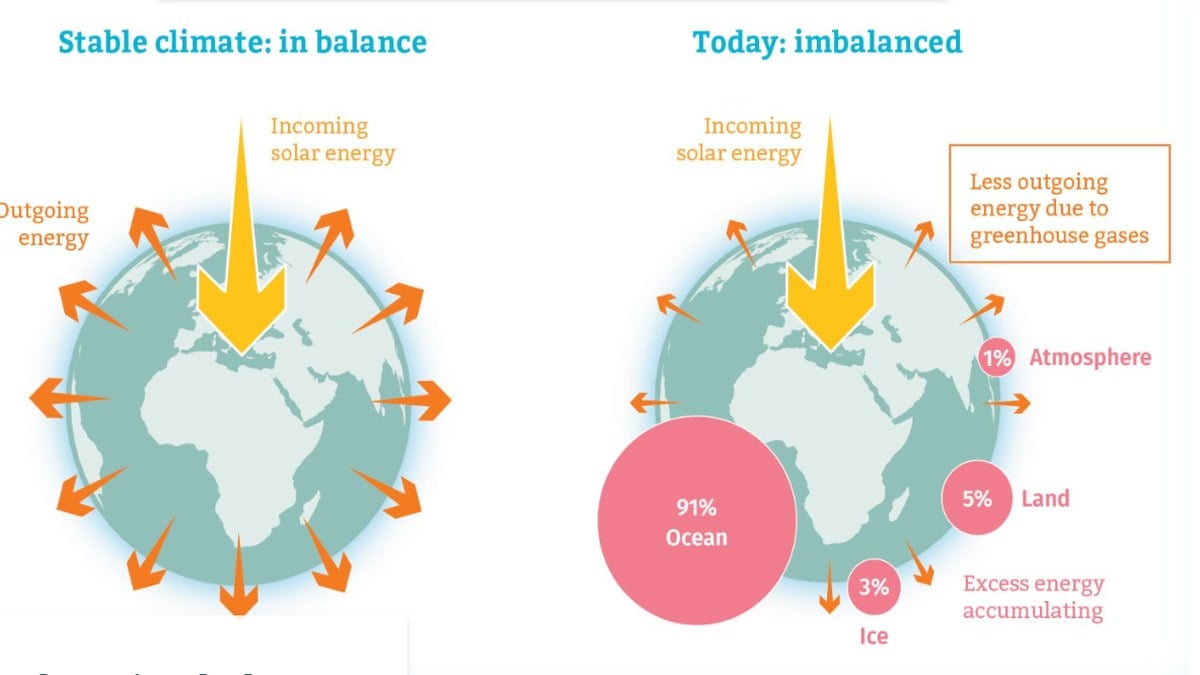
- Key facts & numbers: World Meteorological Organization released its State of the Global Climate report, introducing Earth’s Energy Imbalance as a new metric that quantifies the gap between heat absorbed and heat released. Antonio Guterres warned that Earth’s energy imbalance is at its highest on record and that climate chaos is accelerating, urging a rapid transition to renewable energy. Celeste Saulo explained that the imbalance shows we will live with climate consequences for hundreds to thousands of years, emphasizing the long‑term nature of the problem.
- What happens next: Most headlines hype the heat record, but the report stresses the heat will linger for centuries—an angle many outlets overlook.
- World Meteorological Organization released its State of the Global Climate report, introducing Earth’s Energy Imbalance as a new metric that quantifies the gap between heat absorbed and heat released.
- Antonio Guterres warned that Earth’s energy imbalance is at its highest on record and that climate chaos is accelerating, urging a rapid transition to renewable energy.
- Celeste Saulo explained that the imbalance shows we will live with climate consequences for hundreds to thousands of years, emphasizing the long‑term nature of the problem.
- Karina von Schuckmann noted that the metric integrates heat accumulation across oceans, atmosphere, land, and melting ice, highlighting the oceans’ central role in absorbing trapped heat.
Why It Matters
Policymakers and vulnerable communities stand to lose as the imbalance predicts prolonged heat, droughts, and floods, while renewable‑energy advocates gain a science‑backed rallying point for accelerated decarbonisation. The report’s metric reframes climate risk in energy terms, compelling governments to prioritize long‑term mitigation.
Sources Cited
Related Coverage
Ask SkimNews