Colorado River Flow Slows, Lake Mead Near Record Low
The 30-Second Skim
- What happened: A twin water emergency is unfolding in the U.S.: record‑breaking heat has shredded snowpack across the West, leaving the Colorado River with trickling flow and reservoirs at historic lows, while a Texas city confronts a drought emergency. The crisis is amplified by agricultural overuse—especially alfalfa—and a stalled renegotiation of the 1922 Colorado River Compact, prompting the Interior Department to intervene to keep hydropower running.
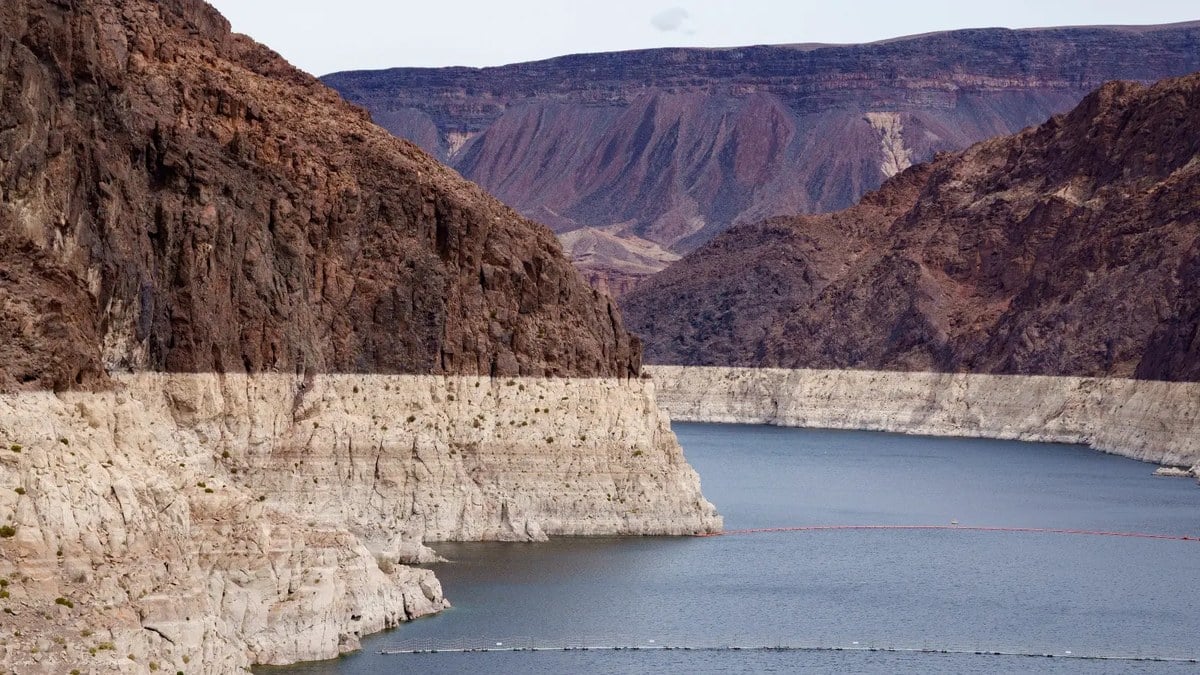
- Key facts & numbers: Brad Udall said March temperatures were unprecedented and caused snowpack to deteriorate from "crummy" to "god‑awful" in three weeks, attributing it to human‑caused climate change. Colorado River flow slowed to a trickle in some sections last week after early snowmelt, threatening water supply for 40 million people across seven states. Lake Mead is only 17 feet above its July 2022 record‑low level, jeopardizing hydropower generation for over 25 million people.
- What happens next: The Colorado River's water is drying up so fast even the power dams are on the brink—states need to get their act together now.
- Brad Udall said March temperatures were unprecedented and caused snowpack to deteriorate from "crummy" to "god‑awful" in three weeks, attributing it to human‑caused climate change.
- Colorado River flow slowed to a trickle in some sections last week after early snowmelt, threatening water supply for 40 million people across seven states.
- Lake Mead is only 17 feet above its July 2022 record‑low level, jeopardizing hydropower generation for over 25 million people.
- U.S. Interior Department announced emergency actions to keep hydropower at Lake Powell operational, acknowledging potential reductions in Lake Mead generation and downstream water availability.
Why It Matters
Western states and 40 million residents face water cuts, while alfalfa farms drain more water than all river cities combined and low reservoir levels threaten electricity for 25 million customers, prompting the Interior Department to act.
Background & Timeline
- Editor context: The American West's water crisis, exacerbated by agricultural demands and outdated agreements, now threatens critical infrastructure like hydropower, signaling a shift from resource scarcity to potential systemic failure.
Sources Cited
Related Coverage
Ask SkimNews