COP31 Pushes Global Electrification as Climate Priority
The 30-Second Skim
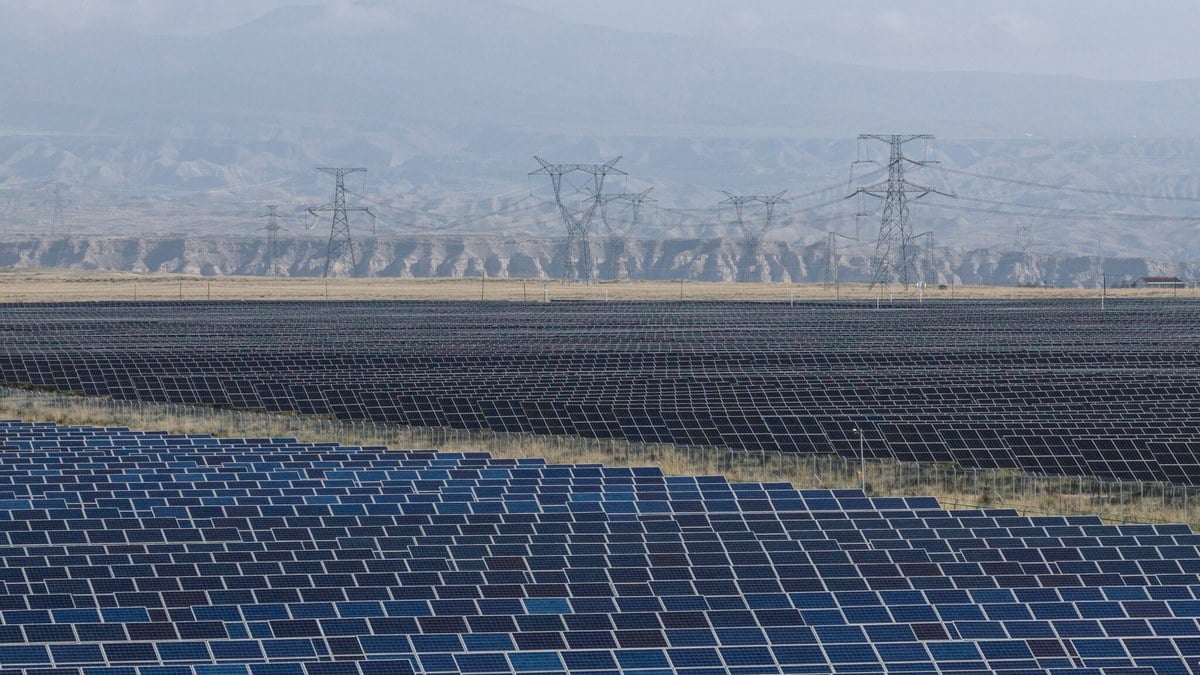
- What happened: At COP31 in Antalya, Turkey, climate leaders are promoting a global electrification initiative to reduce reliance on imported fossil fuels. The plan encourages adopting electric vehicles, heat pumps, and industrial electrification, modeled on China’s infrastructure growth.
- Key facts & numbers: China has built the world’s largest high-speed rail network and ultrahigh-voltage power lines over the past two decades. Turkish Environment Minister Murat Kurum stated the push gains urgency due to the 2026 U.S.-Iran conflict affecting global energy supplies.
- What happens next: COP31 delegates will vote on a non-binding resolution supporting expanded global electrification targets by the summit’s end on November 28, 2026, with potential follow-up funding pledges from developed nations in early 2027.
Why It Matters
A global electrification standard could reshape energy investments, accelerating demand for renewables, batteries, and grid infrastructure while pressuring fossil fuel markets. Developing nations may gain leverage in climate finance talks by aligning with this agenda.
The push ties energy security to climate action, reframing decarbonization as a strategic imperative beyond emissions. If adopted, industries from automotive to manufacturing may face new regulatory incentives to electrify heat and transport, altering long-term capital planning in both public and private sectors.
How Outlets Are Framing It
- NYT Climate / Energy Security Lens: Frames electrification as a response to geopolitical instability, highlighting the U.S.-Iran conflict’s impact on energy markets and the strategic shift toward domestic electric systems.
- The New York Times / Infrastructure Lens: Emphasizes China’s physical infrastructure build-out as a replicable model, focusing on high-speed rail and grid technology as blueprints for global adoption.
- Council on Foreign Relations / Diplomacy Lens: Focuses on COP31’s role in bridging developed and developing nations through electrification financing, warning of equity gaps without targeted investment.
Background & Timeline
- November 2025: COP30 in Brazil concluded without a unified energy transition target, setting the stage for Turkey’s focused electrification agenda at COP31.
- 2005–2025: China expanded its electric grid and deployed over 70% of the world’s high-speed rail, establishing a precedent for state-led electrification cited at COP31.
Sources Cited
- NYT Climate — There’s a New Push at COP31 in Turkey: Electrification
- The New York Times — There’s a New Push at Climate Talks: Wire the World for Electricity
- Council on Foreign Relations — COP31 in Turkey: What to Expect at the 2026 UN Climate Summit
Related Coverage
- COP31 Kicks Off in Antalya Amid Climate Crisis and StalledGrist
- Cop31 Faces Fossil Fuel Scrutiny Amid Dual PresidencyThe Guardian Environment
- Can we electrify the world? Ambition moves from nerdish backwater to centre stageThe Guardian Environment
- COP31 Target Requires Quadruple Electrification PaceNew Scientist
Ask SkimNews