COP31 Stalls Over Fossil Fuel Language and Climate Finance
The 30-Second Skim
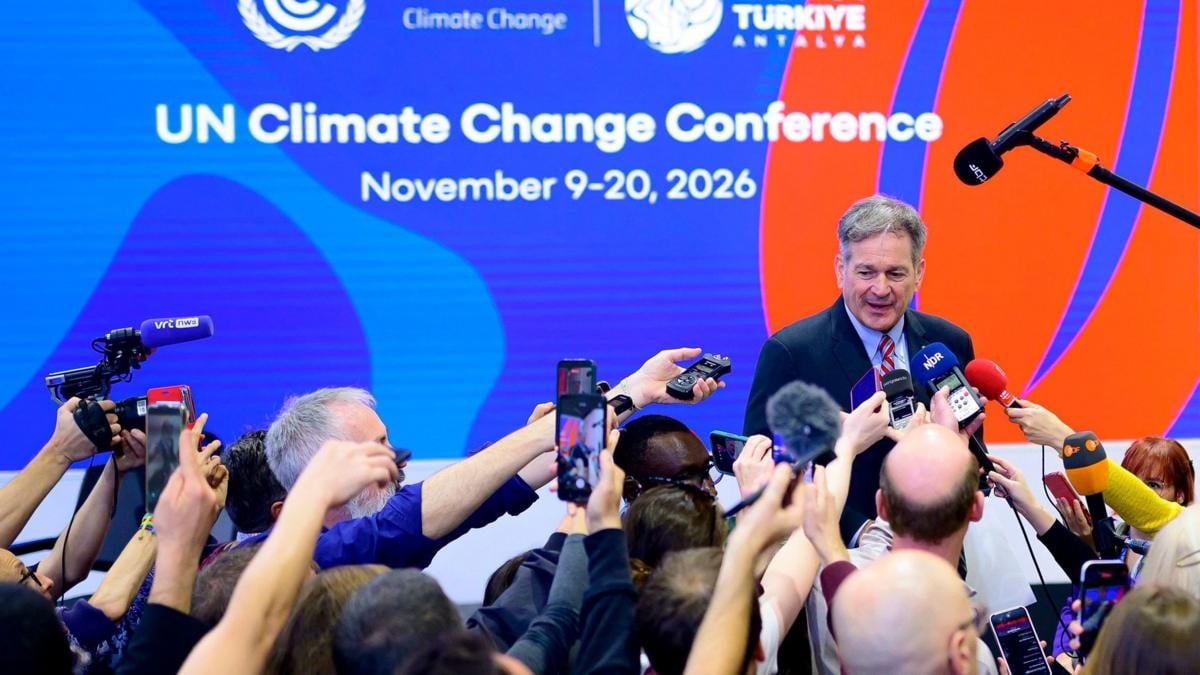
- What happened: COP31 climate talks in Antalya, Turkey, have been suspended overnight as nations remain divided over whether to include fossil fuel reduction language in the final agreement. The EU, Pacific islands, and African nations are demanding stronger commitments, while oil-producing states resist.
- Key facts & numbers: The draft Antalya Accords omit any reference to reducing fossil fuel demand, despite advocacy from the EU and Panama’s environment minister, Juan Carlos Navarro. A prior proposal to boost adaptation funding to $120bn by 2035 was removed, sparking backlash from Ghana’s Zanetor Agyeman Rawlings.
- What happens next: Negotiators have rescheduled flights to Monday, indicating talks will continue beyond Sunday’s planned close. Without consensus, COP31 could end without a deal, forcing a reconvening in 2027—the first such failure since 1995.
Why It Matters
A failed COP31 deal would delay global alignment on phasing down fossil fuels, undermining efforts to limit warming to 1.5°C. Markets may face prolonged uncertainty over carbon regulations, while developing nations risk delayed access to critical climate adaptation funds.
The absence of fossil fuel language could embolden continued investment in oil and gas, contradicting the International Energy Agency’s warnings about clean energy transitions. Host Turkey’s diplomatic missteps further erode trust in equitable climate governance, potentially weakening future multilateral cooperation.
How Outlets Are Framing It
- BBC Environment / Global Equity Lens: Focuses on diplomatic rifts between fossil fuel producers and vulnerable nations, highlighting moral claims from Africa and Pacific islands for climate justice.
- The Japan Times / Policy Implementation Lens: Emphasizes the technical omission of fossil fuels in the draft, framing the deadlock as a failure of diplomatic precision rather than political will.
- Modern Ghana / Regional Advocacy Lens: Centers African agency and resistance, portraying the talks as a battleground for post-colonial climate accountability and resource redistribution.
Background & Timeline
- December 1995: The first COP meeting established the precedent of consensus-based decisions, making deadlock a rare but possible outcome in UN climate talks.
- November 2023: COP28 included the first-ever agreement to 'transition away from fossil fuels,' setting a precedent now under threat at COP31.
Sources Cited
- BBC Environment — Fight over fossil fuels leaves COP31 climate talks in deadlock
- Yahoo News Canada — Fight over fossil fuels leaves COP31 climate talks in deadlock
- The Japan Times — Fossil fuels still missing from latest COP31 draft deal
- AOL.com — Fossil fuel dispute threatens to derail COP31 climate deal
- Modern Ghana — Fight over fossil fuels leaves COP31 climate talks in deadlock. #BBCNews
- Nacionale — Why are the COP31 climate talks deadlocked? A fight over whether the deal mentions fossil fuels
Related Coverage
Ask SkimNews