Study: Consumers Will Pay Premium for Climate-Proof Wines
The 30-Second Skim7 points
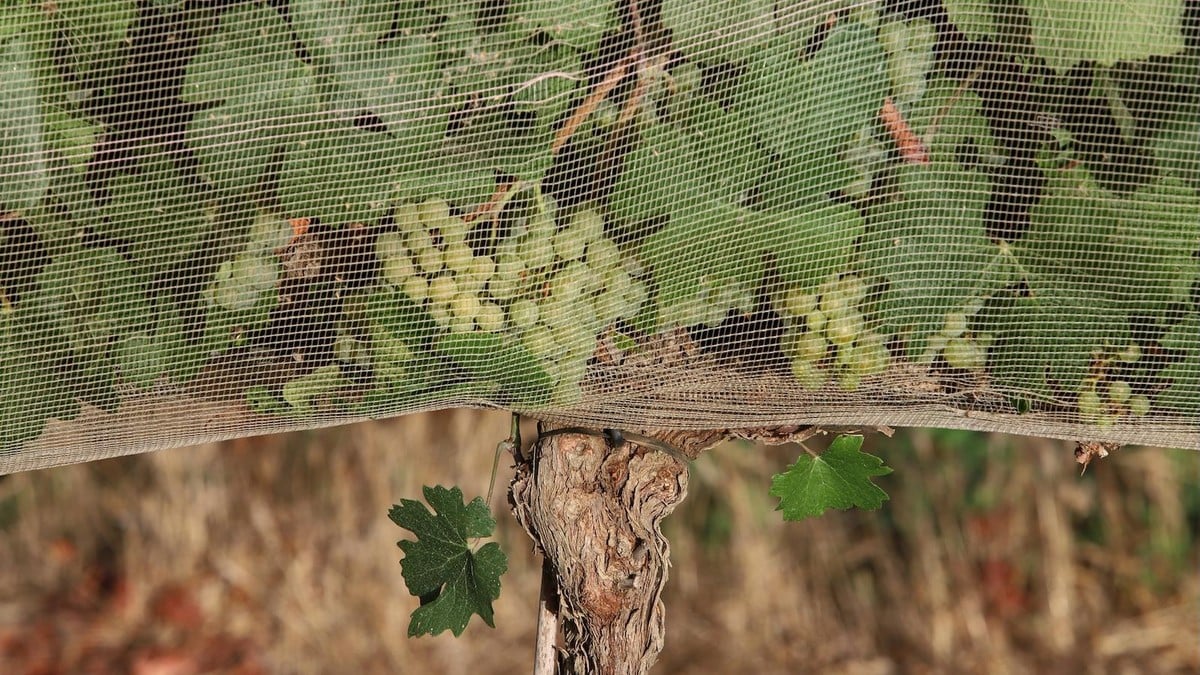
- What happenedA Cornell University study found consumers are willing to pay a premium for wines made using climate-adaptation strategies like shade cloth, heat-resistant grape varieties, or vineyard relocation to cooler regions.
- Key facts & numbersCornell University researchers found that across all three climate-adaptation strategies — shade cloth, new grape varieties, or relocating vineyards — consumers are willing to pay more for climate-resilient wines, even at the cost of name-brand region recognition. Alex Susskind, a Cornell professor of food and beverage management and study co-author, said adaptation changes that don't resonate with consumers are "moot," and noted only two of the three strategies — new grapes or relocation — would be obvious to shoppers. Survey respondents gave the "least desirability" rating to wines from relocated vineyards — a Napa Valley producer shifting to Lake County, for example — but still said they would pay extra for them.
- What happens nextBuried detail: shade cloth adaptation is invisible to shoppers unless it's on the label — so of 3 strategies, only 2 even register.
- Cornell University researchers found that across all three climate-adaptation strategies — shade cloth, new grape varieties, or relocating vineyards — consumers are willing to pay more for climate-resilient wines, even at the cost of name-brand region recognition.
- Alex Susskind, a Cornell professor of food and beverage management and study co-author, said adaptation changes that don't resonate with consumers are "moot," and noted only two of the three strategies — new grapes or relocation — would be obvious to shoppers.
- Survey respondents gave the "least desirability" rating to wines from relocated vineyards — a Napa Valley producer shifting to Lake County, for example — but still said they would pay extra for them.
- Jimena Balic, a winemaking researcher based in Chile, called the Cornell work "genuinely valuable" and said the economics of climate adaptation in wine are "badly under-documented."
Why It Matters
For winegrowers facing drought, wildfire smoke, and shifting seasons, the Cornell finding offers rare economic evidence that climate adaptation can be marketable rather than purely a cost center. But with only 300 respondents skewed toward young, college-educated, eco-conscious label-readers, the premium may not replicate across the broader wine-buying public.
Sources Cited
Related Coverage
Ask SkimNews
The day’s news in one short email, every morning.
Free. One email a day. Unsubscribe in one click.