Cyclone Senyar kills 58 Tapanuli orangutans, study says
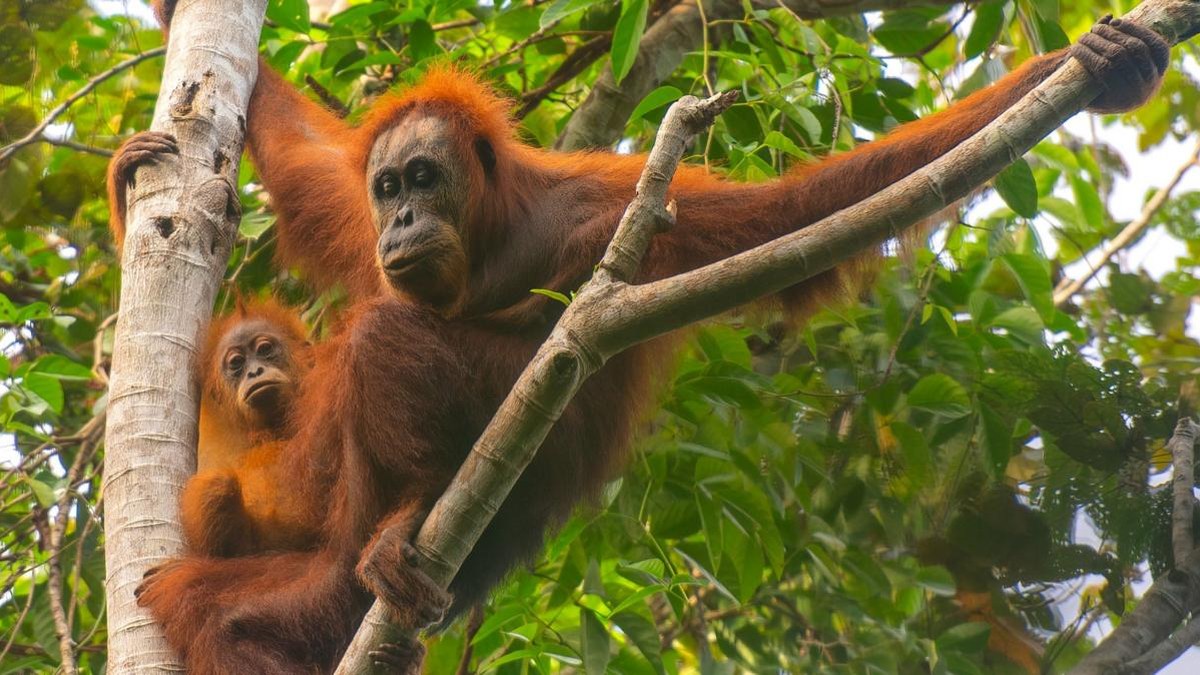
The 30-Second Skim
- What happened: A new study finds that Cyclone Senyar’s extreme rain and landslides in Sumatra killed 58 of the world’s 800 Tapanuli orangutans—about 7% of the species—highlighting climate‑driven threats to the critically endangered great ape.
- Key facts & numbers: Cyclone Senyar caused extreme rain and landslides on Sumatra in late November, an event the authors describe as anomalous but linked to human‑induced climate change. Study estimates that 58 of the less than 800 critically endangered Tapanuli orangutans—around 7% of the species—died as a direct result of the storm, a figure the authors say is conservative. Professor Erik Meijaard of Borneo Futures previously estimated 35 deaths, but the new analysis raises the toll to 58, noting additional uncounted impacts such as canopy damage and reduced food.
- What happens next: Most headlines shout the 58‑orangutan death count, but the study also flags uncounted canopy damage and a rare government pause on mining that could be a lifeline.
- Cyclone Senyar caused extreme rain and landslides on Sumatra in late November, an event the authors describe as anomalous but linked to human‑induced climate change.
- Study estimates that 58 of the less than 800 critically endangered Tapanuli orangutans—around 7% of the species—died as a direct result of the storm, a figure the authors say is conservative.
- Professor Erik Meijaard of Borneo Futures previously estimated 35 deaths, but the new analysis raises the toll to 58, noting additional uncounted impacts such as canopy damage and reduced food.
- Humanitarian workers in Pulo Pakkat village reported finding a semi‑buried orangutan carcass with severe facial injuries, confirming field observations of disappearing sightings after the cyclone.
Why It Matters
The loss of 58 Tapanuli orangutans shrinks an already tiny population by 7%, accelerating its path toward extinction and underscoring the urgent need for climate‑responsive conservation; the Indonesian pause on development offers a rare chance for protection but also stalls economic projects.
Sources Cited
- BBC Environment — Four days of extreme rain killed 7% of world's rarest orangutans, study says
- The Guardian Environment — The Guardian Environment
Related Coverage
- ‘The toll is huge’: El Niño-driven wildfires overwhelm Indonesia’s orangutan populationThe Guardian Environment
- Indonesian Fires Threaten Borneo Orangutan Research CampThe Guardian Environment
- Eight Orangutans Released in Borneo After FiresBBC Environment
- Sumatran orangutan crosses bridge over Lagan roadThe Guardian Science
Ask SkimNews