Saharan Dust Slashes Southern Europe Solar in March
The 30-Second Skim
- What happened: A March dust plume from the Sahara and successive storms dramatically altered solar irradiance across Europe, suppressing output in the south while clear skies boosted it in the north and east.
- Key facts & numbers: Madrid experienced clear‑sky GHI drops from 3–5 March as the Saharan dust plume attenuated sunlight, with dust losses exceeding 15% at peak irradiance on 3 March. Portugal was hit by Windstorm Regina, which added cloud cover and rainfall that further cut solar irradiance and deposited “blood rain” on PV panels. Solcast modeled the irradiance drop and provides high‑resolution data used by >350 companies managing >350 GW solar assets.
- What happens next: Saharan dust and Storm Deborah knocked out southern Europe’s solar output, while the north got a sunny boost — the contrast is wild.
- Madrid experienced clear‑sky GHI drops from 3–5 March as the Saharan dust plume attenuated sunlight, with dust losses exceeding 15% at peak irradiance on 3 March.
- Portugal was hit by Windstorm Regina, which added cloud cover and rainfall that further cut solar irradiance and deposited “blood rain” on PV panels.
- Solcast modeled the irradiance drop and provides high‑resolution data used by >350 companies managing >350 GW solar assets.
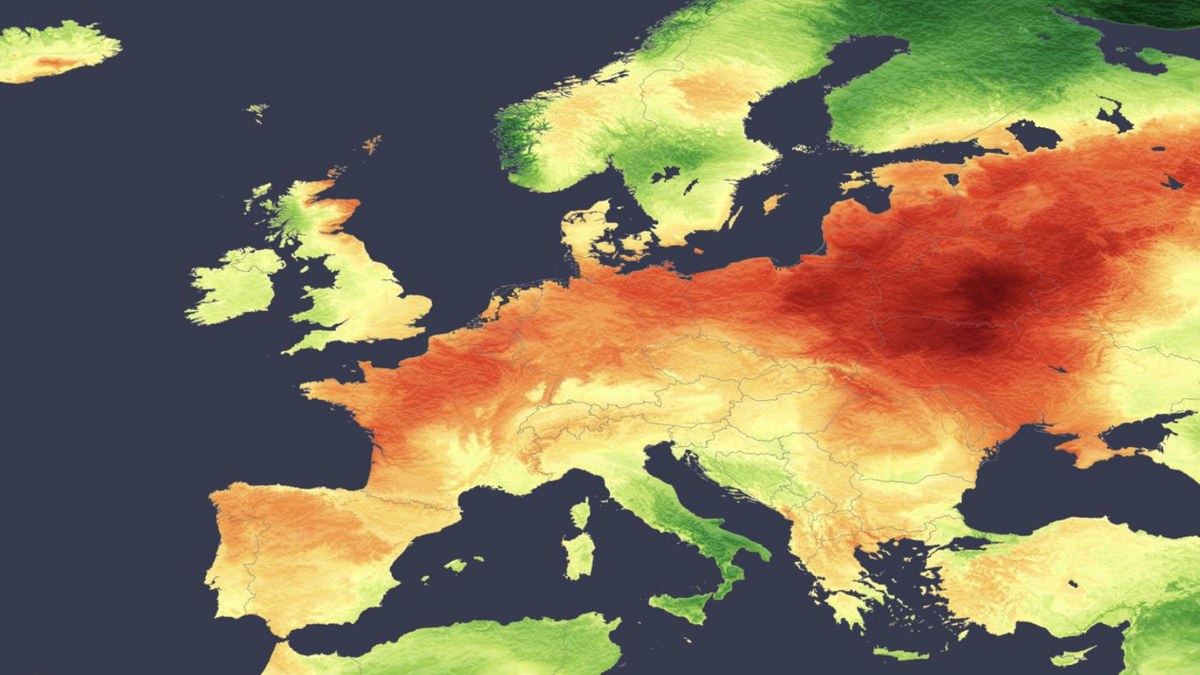
- Northern France enjoyed irradiance ~15% above long‑term averages, while Germany, Poland and northern Ukraine saw 10‑25% gains due to a high‑pressure ridge and positive NAO.
Why It Matters
Solar operators in southern Europe faced up to 15% daily PV losses from dust and storm‑induced soiling, while those in northern France, Germany, Poland and Ukraine enjoyed 10‑25% higher generation, highlighting how weather extremes can sharply swing revenue across the continent.
Sources Cited
Related Coverage
Ask SkimNews