EV sales surge as average price drops 4%
The 30-Second Skim
- What happened: EV sales surged to a post‑tax‑credit high in May as average transaction prices kept falling, driven by deep automaker incentives, rising gasoline costs, and Tesla’s low‑cost Model 3 and Model Y dominating the market.
- Key facts & numbers: Kelley Blue Book reported the average transaction price for a new electric vehicle fell to $54,532 in May, a 4% year‑over‑year decline and the 11th consecutive month of price drops. Electric‑vehicle sales exceeded 85,000 units in May, the strongest month since federal tax credits were eliminated at the end of Q3 2025. Automakers spent an average of 14% of a vehicle’s price on incentives in May—about $7,600 per car—nearly double the industry average and unchanged from April.
- What happens next: EV prices keep dropping, yet sales stay hot—thanks to deep discounts and gas price spikes, not the tax credit.
- Kelley Blue Book reported the average transaction price for a new electric vehicle fell to $54,532 in May, a 4% year‑over‑year decline and the 11th consecutive month of price drops.
- Electric‑vehicle sales exceeded 85,000 units in May, the strongest month since federal tax credits were eliminated at the end of Q3 2025.
- Automakers spent an average of 14% of a vehicle’s price on incentives in May—about $7,600 per car—nearly double the industry average and unchanged from April.
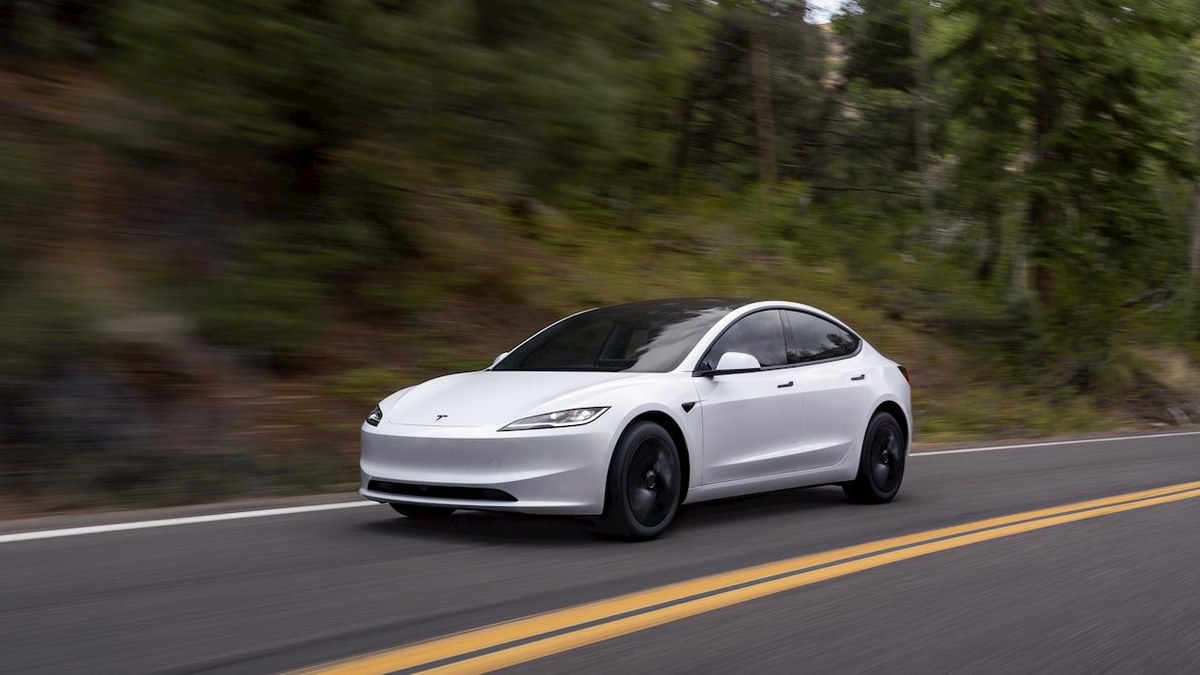
- Tesla accounted for roughly half of U.S. EV sales, with its average price down 1% from April and 3.4% YoY; 96% of its sales were the Model 3 ($49,082) and Model Y ($51,537).
Why It Matters
Consumers benefit from cheaper EVs and generous incentives that offset the loss of federal tax credits, while automakers protect sales volumes; Tesla’s aggressive discounting amplifies the market‑wide price decline, reshaping the cost baseline for new electric vehicles. This shift may pressure rivals to lower prices, further intensifying competition.
Sources Cited
Related Coverage
Ask SkimNews