Massachusetts wants to pay EV drivers for their battery power
The 30-Second Skim7 points
- What happenedMassachusetts utilities Eversource and National Grid are adding residential vehicle-to-grid charging to their ConnectedSolutions program, letting qualifying EV owners earn performance-based incentives for sending battery power back to the grid during peak demand.
- Key facts & numbersEversource and National Grid are adding residential vehicle-to-grid (V2G) charging to their ConnectedSolutions virtual power plant programs, with EnergyHub, Sunrun, and The Mobility House providing the smart-charging and grid-integration tech. An initial list of eligible vehicles includes the Ford F-150 Lightning, Nissan LEAF, Kia EV9, Polestar 3, and Volvo EX90; the utilities have not yet announced which bidirectional chargers qualify or when enrollment opens. National Grid participants through ConnectedSolutions can earn up to $275 per average kilowatt of performance over the summer season, translating to approximately $1,375–$2,750 for many residential participants depending on charger capacity and performance.
- What happens nextThe catch buried here: no approved chargers, no enrollment date, and only five vehicles on the initial list. The real pilot is whether $2,750 beats battery degradation anxiety.
- Eversource and National Grid are adding residential vehicle-to-grid (V2G) charging to their ConnectedSolutions virtual power plant programs, with EnergyHub, Sunrun, and The Mobility House providing the smart-charging and grid-integration tech.
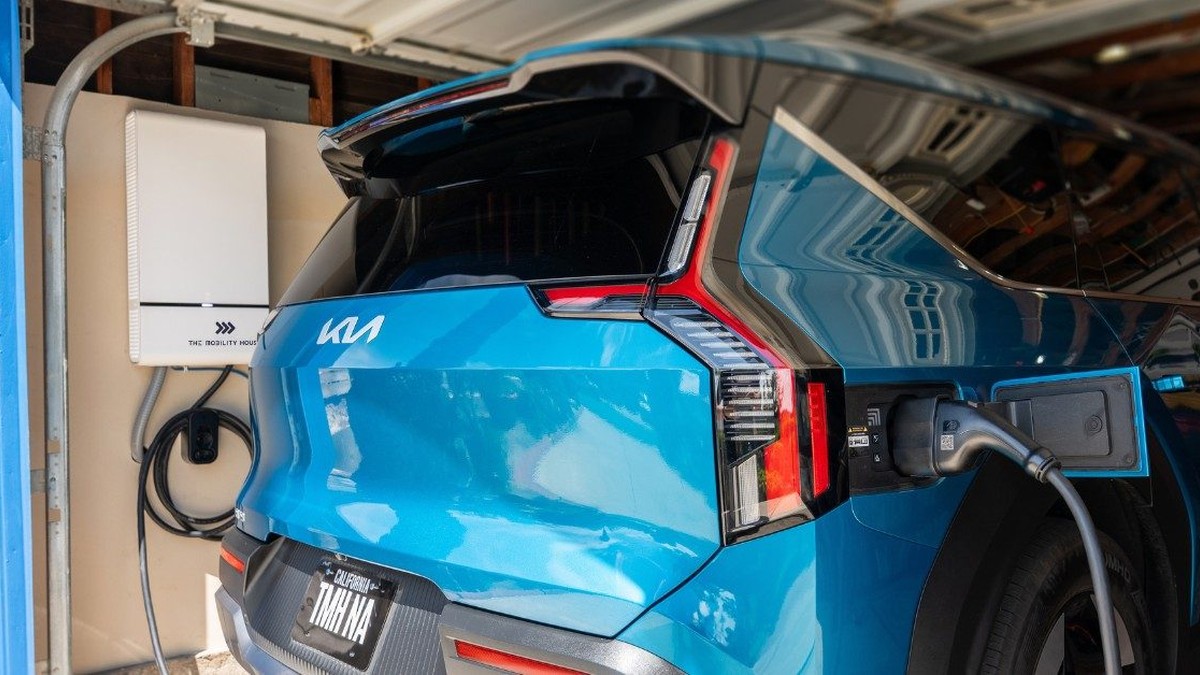
- An initial list of eligible vehicles includes the Ford F-150 Lightning, Nissan LEAF, Kia EV9, Polestar 3, and Volvo EX90; the utilities have not yet announced which bidirectional chargers qualify or when enrollment opens.
- National Grid participants through ConnectedSolutions can earn up to $275 per average kilowatt of performance over the summer season, translating to approximately $1,375–$2,750 for many residential participants depending on charger capacity and performance.
- More than 150,000 EVs are already on Massachusetts roads, and the number of bidirectional-capable models is growing, giving utilities a potentially large distributed battery pool to tap during demand spikes.
Why It Matters
Residential EV owners with the right hardware can now turn parked cars into grid assets, with National Grid paying up to $2,750 per summer season for peak-period discharge — a concrete number that sets a benchmark for whether bidirectional EV economics actually work for individual drivers, not just fleets.
Background & Timeline
- Editor contextV2G turns the average parked EV into a dispatchable grid asset — letting utilities aggregate thousands of small batteries into a flexible resource pool that grows in lockstep with EV adoption.
Sources Cited
- The Boston GlobeElectric shock: Insurer drops EV coverage for longtime customer
Related Coverage
Ask SkimNews