FERC: Market Reforms Boost Grid, Cut Winter Costs
The 30-Second Skim7 points
- What happenedFederal Energy Regulatory Commission's annual report highlights how recent electric market reforms in the West and Northeast may improve grid reliability and reduce winter energy costs despite drought and fuel supply challenges.
- Key facts & numbersFERC released its annual winter market and reliability report, forecasting improved grid performance and lower costs due to recent market reforms in the West and Northeast California Independent System Operator launched the Extended Day Ahead Market, which FERC staff said will provide cost savings and reliability benefits during winter 2026-2027 Southwest Power Pool expanded into the Western Interconnection, enhancing coordination and reducing reserve needs to offset hydroelectric shortfalls from the Colorado River basin
- What happens nextWhile headlines focus on lower prices, the real story is how EDAM and SPP’s expansion are quietly fixing Western grid fragility exposed by drought.
- FERC released its annual winter market and reliability report, forecasting improved grid performance and lower costs due to recent market reforms in the West and Northeast
- California Independent System Operator launched the Extended Day Ahead Market, which FERC staff said will provide cost savings and reliability benefits during winter 2026-2027
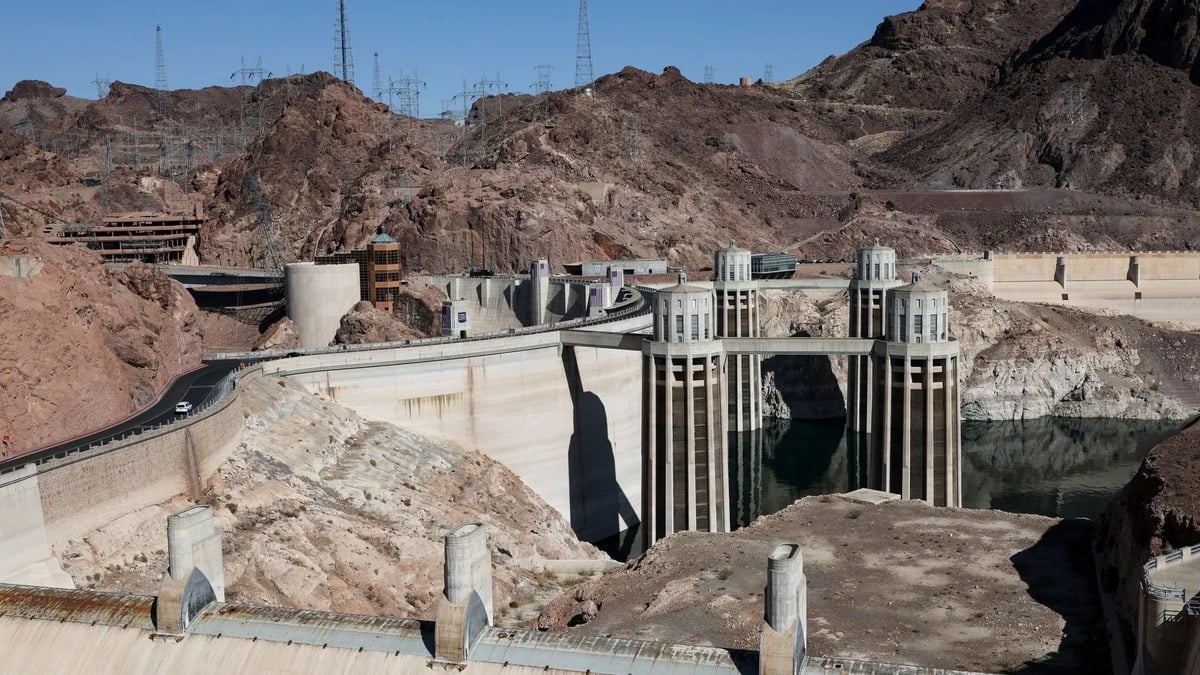
- Southwest Power Pool expanded into the Western Interconnection, enhancing coordination and reducing reserve needs to offset hydroelectric shortfalls from the Colorado River basin
- ISO New England lowered its capacity performance pay rate, a move expected to reduce electricity prices during winter emergencies
Why It Matters
Ratepayers across the West and Northeast stand to benefit from lower electricity costs and improved reliability this winter due to market reforms, even as drought and low fuel inventories create operational risks—particularly in New England, where oil dependence remains high despite tighter supply. The changes reflect a structural shift in how grid operators manage scarcity and interregional coordination.
Sources Cited
Related Coverage
Ask SkimNews