Fifty billion seedlings: Can Ethiopia replant its ravaged forests?
The 30-Second Skim7 points
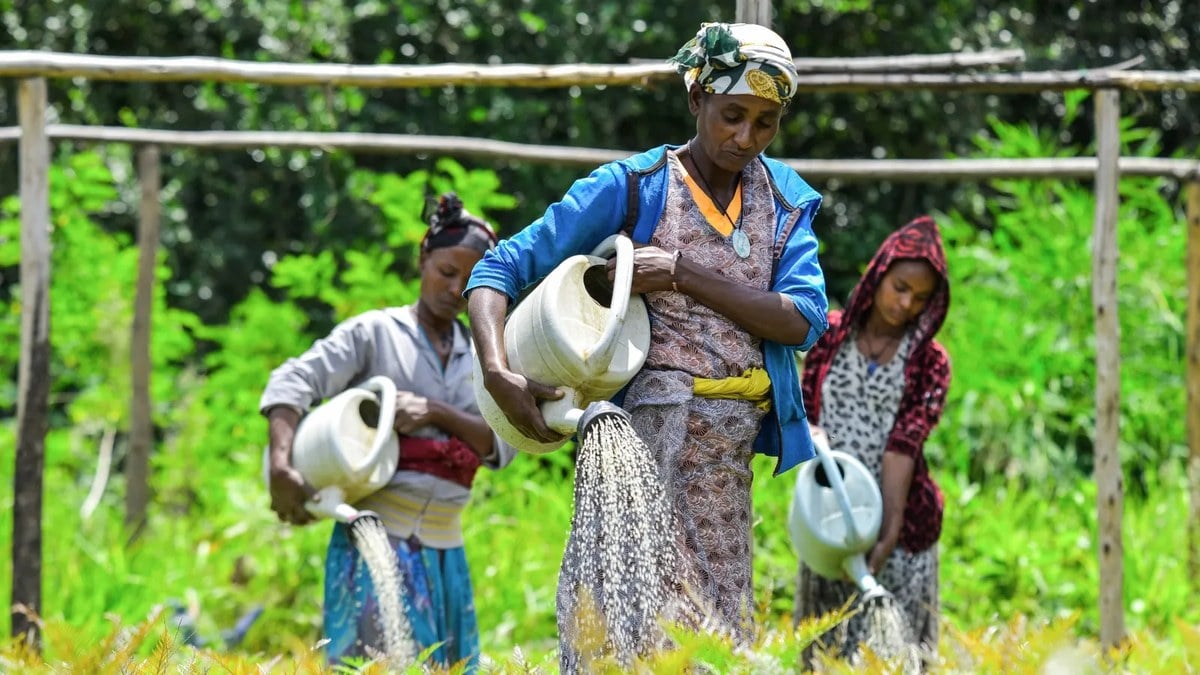
- What happenedEthiopia's Green Legacy Initiative has planted more than 47 billion seedlings in seven years toward a 50 billion goal — with 26.6 million people planting 800 million trees in a single August day — driving forest cover from 17.2% to 23.6% but drawing criticism that survival systems haven't kept pace with the planting blitz.
- Key facts & numbersEthiopia's Green Legacy Initiative has planted more than 47 billion seedlings in seven years, with volunteers distributing free seedlings and integrating trees into farmland, and is targeting 50 billion by 2030. A single August planting day mobilized 26.6 million Ethiopians to put 800 million seedlings in the ground, beating the 2024 single-day tally of 714.7 million, per government figures. National forest cover rose from 17.2% in 2019 to 23.6% in 2023, while annual deforestation dropped from more than 350 square miles to roughly 100 square miles between 2013 and 2023.
- What happens next26 million people. One day. 800 million trees. The celebratory stat machine doesn't mention the 2022 finding that half of planted trees often die in five years.
- Ethiopia's Green Legacy Initiative has planted more than 47 billion seedlings in seven years, with volunteers distributing free seedlings and integrating trees into farmland, and is targeting 50 billion by 2030.
- A single August planting day mobilized 26.6 million Ethiopians to put 800 million seedlings in the ground, beating the 2024 single-day tally of 714.7 million, per government figures.
- National forest cover rose from 17.2% in 2019 to 23.6% in 2023, while annual deforestation dropped from more than 350 square miles to roughly 100 square miles between 2013 and 2023.
- Land degradation costs Ethiopia an estimated $4.3 billion a year, and roughly 15.8 million Ethiopians — about 12% of the population — needed food assistance in 2024.
Why It Matters
More than 100 million Ethiopians depend on agriculture, and land degradation drains the country an estimated $4.3 billion a year, so every surviving seedling translates into retained topsoil and reduced food-aid demand. Ethiopia's selection to host the 2026 U.N. climate conference now raises the diplomatic stakes on whether its planting blitz — already past 47 billion seedlings — is matched by the monitoring and care needed to keep them alive.
Sources Cited
Related Coverage
Ask SkimNews
The day’s news in one short email, every morning.
Free. One email a day. Unsubscribe in one click.