Florida strips climate change from science textbooks
The 30-Second Skim
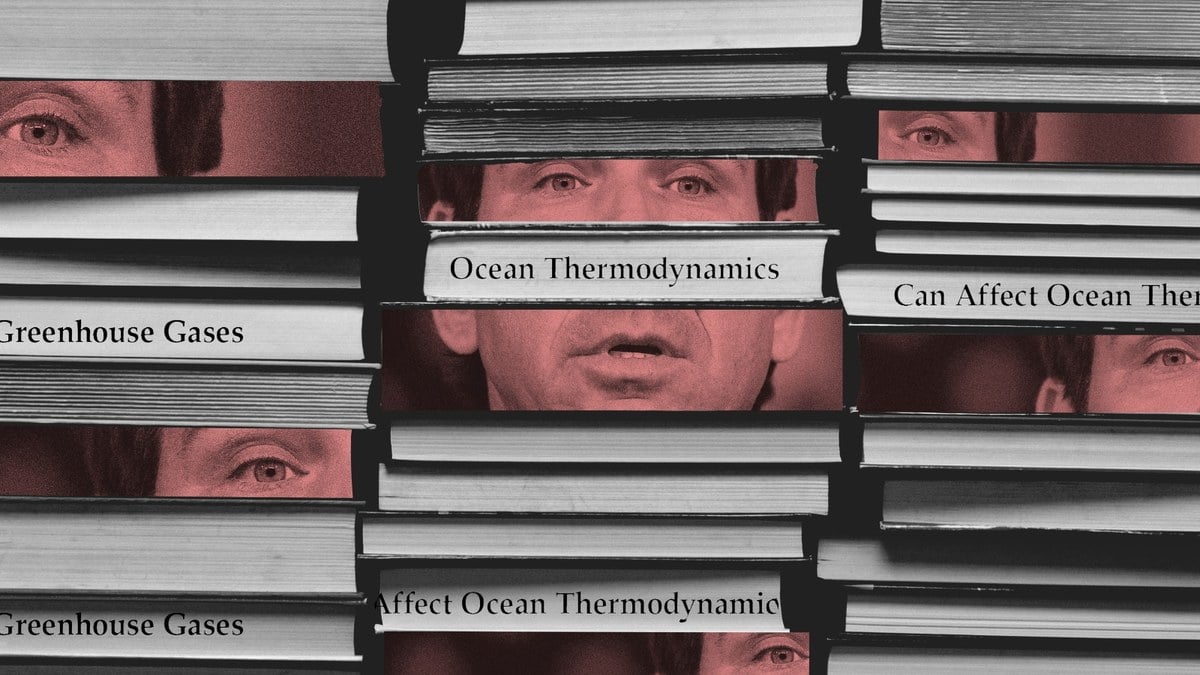
- What happened: Florida education officials quietly pressured science publishers in summer 2024 to soften or delete climate change content from high school textbooks, softening a WHO-cited death-toll statistic and even replacing the term 'climate change' in some passages.
- Key facts & numbers: Florida Department of Education asked McGraw Hill, Cengage, and Savvas in summer 2024 to soften or remove climate change content from science textbooks, per a WUSF and Hechinger Report investigation of state public-records correspondence. McGraw Hill's Marine Science text softened a World Health Organization statistic of 150,000 annual climate-related deaths into vague language about CO2, and replaced the phrase "climate change" with "changes in the environment." Cengage's environmental science textbook removed the word "polluting" before "coal burning power plants" and cut a reference to University of Washington students voting to pay higher fees for renewable electricity.
- What happens next: Florida swapped 'climate change' for 'changes in the environment' in textbooks. WHO's 150,000-deaths stat got softened into vague CO2 talk. Authors weren't even told.
- Florida Department of Education asked McGraw Hill, Cengage, and Savvas in summer 2024 to soften or remove climate change content from science textbooks, per a WUSF and Hechinger Report investigation of state public-records correspondence.
- McGraw Hill's Marine Science text softened a World Health Organization statistic of 150,000 annual climate-related deaths into vague language about CO2, and replaced the phrase "climate change" with "changes in the environment."
- Cengage's environmental science textbook removed the word "polluting" before "coal burning power plants" and cut a reference to University of Washington students voting to pay higher fees for renewable electricity.
- FDOE asked biology textbook authors Ken Miller and Joe Levine to strike "caused by human activity" from climate claims and demanded peer-reviewed sources — but did not demand similar sourcing for chapters on DNA, RNA, or the digestive system.
Why It Matters
Florida's roughly 3 million public school students may end up studying from textbooks where the phrase "climate change" has been replaced and peer-reviewed climate statistics have been diluted into vague CO2 references. Publishers complied but say Florida-specific editions do not appear in other states, leaving Florida students with a substantively different science curriculum than peers elsewhere. Glenn Branch of the National Center for Science Education called the demands to weaken climate coverage "very unusual."
Sources Cited
Related Coverage
Ask SkimNews