From the farm to your door: How our global food system exploits workers
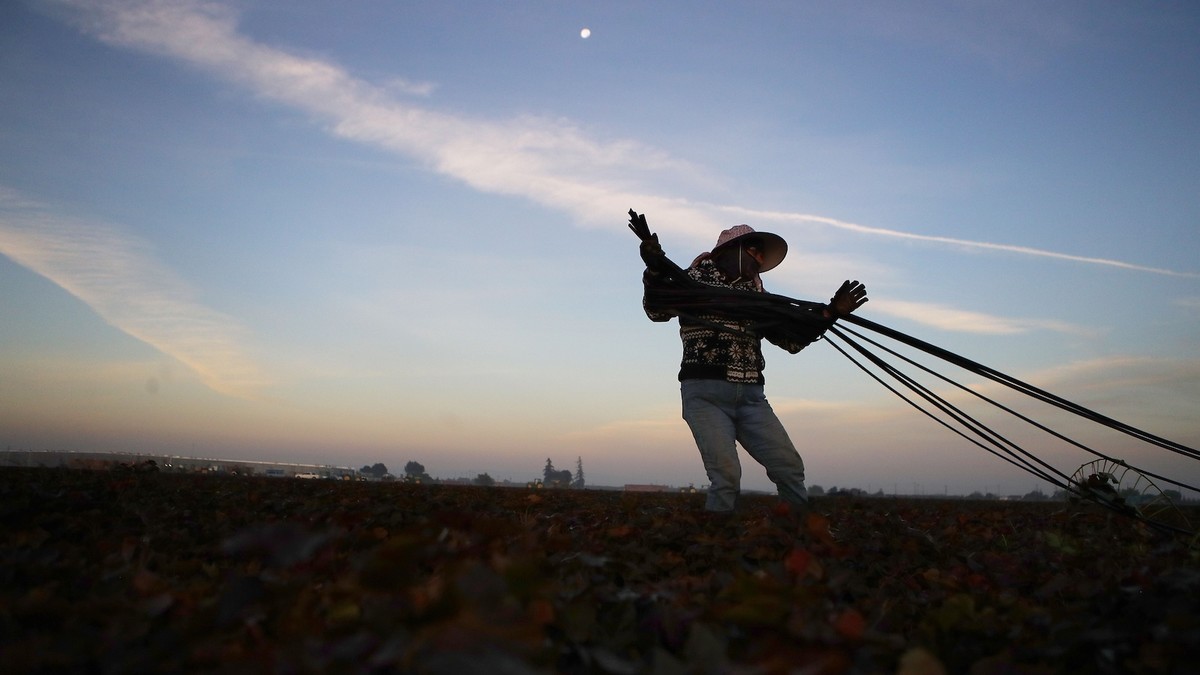
The 30-Second Skim7 points
- What happenedA new IPES-Food report finds exploitation is deeply embedded in the global food system — affecting 1.4 billion workers across production, processing, distribution, and delivery — and traces that vulnerability back to colonialism and land dispossession, with Indigenous workers bearing particular risk.
- Key facts & numbersIPES-Food released a report Monday finding exploitation is "deeply embedded" in the global food system, affecting 1.4 billion people across production, processing, distribution, and delivery worldwide Colonialism, land dispossession, and forced labor have left Indigenous peoples especially vulnerable, with their intergenerational agricultural knowledge routinely dismissed as "unskilled" to justify lower wages, per the report Between 60 and 80 percent of food system workers are informally employed and earn about half what formally employed peers earn; roughly 400 million (30%) earn less than a living wage
- What happens nextBuried angle: Indigenous knowledge labeled "unskilled" to justify low wages. Report rejects the affordability-vs-protections trade-off entirely.
- IPES-Food released a report Monday finding exploitation is "deeply embedded" in the global food system, affecting 1.4 billion people across production, processing, distribution, and delivery worldwide
- Colonialism, land dispossession, and forced labor have left Indigenous peoples especially vulnerable, with their intergenerational agricultural knowledge routinely dismissed as "unskilled" to justify lower wages, per the report
- Between 60 and 80 percent of food system workers are informally employed and earn about half what formally employed peers earn; roughly 400 million (30%) earn less than a living wage
- An estimated 2.1 million agricultural workers labor under forced conditions, with migrants — about a quarter of global farmworkers — three times as likely to face such conditions
Why It Matters
This report reframes food-affordability debates by showing 1.4 billion supply-chain workers already bear the cost through poverty wages and forced labor, arguing better protections need not raise prices. For Indigenous migrants like NYC's deliveristas, it links present-day exploitation to centuries of land dispossession, making worker rights and Indigenous land rights inseparable policy questions.
Sources Cited
Related Coverage
Ask SkimNews
The day’s news in one short email, every morning.
Free. One email a day. Unsubscribe in one click.