Fuels and freight put F1 on track for net zero by 2030
The 30-Second Skim7 points
- What happenedFormula 1 says it is on track to hit net-zero carbon by 2030, reporting a 35% reduction in its carbon footprint from the 2018 baseline driven by freight changes, sustainable fuel investment, and calendar reshuffles.
- Key facts & numbersFormula 1 reported a 35% reduction in its carbon footprint from the 2018 baseline and a 12% year-on-year drop, with total CO2 emissions falling from 228,793 tonnes to 148,805 tonnes in 2025 Factory and facility emissions fell 64% versus 2018 and 14% year-on-year, while logistics emissions dropped 21% year-on-year and 29% since 2018 Key drivers include shifting freight from air to sea, doubling investment in sustainable aviation fuel, and F1's first investment in sustainable maritime fuel, according to ESG head Ellen Jones
- What happens nextRace fuel is barely a rounding error in F1's footprint — the real carbon lives in the cargo planes. Sea freight is doing the heavy lifting here.
- Formula 1 reported a 35% reduction in its carbon footprint from the 2018 baseline and a 12% year-on-year drop, with total CO2 emissions falling from 228,793 tonnes to 148,805 tonnes in 2025
- Factory and facility emissions fell 64% versus 2018 and 14% year-on-year, while logistics emissions dropped 21% year-on-year and 29% since 2018
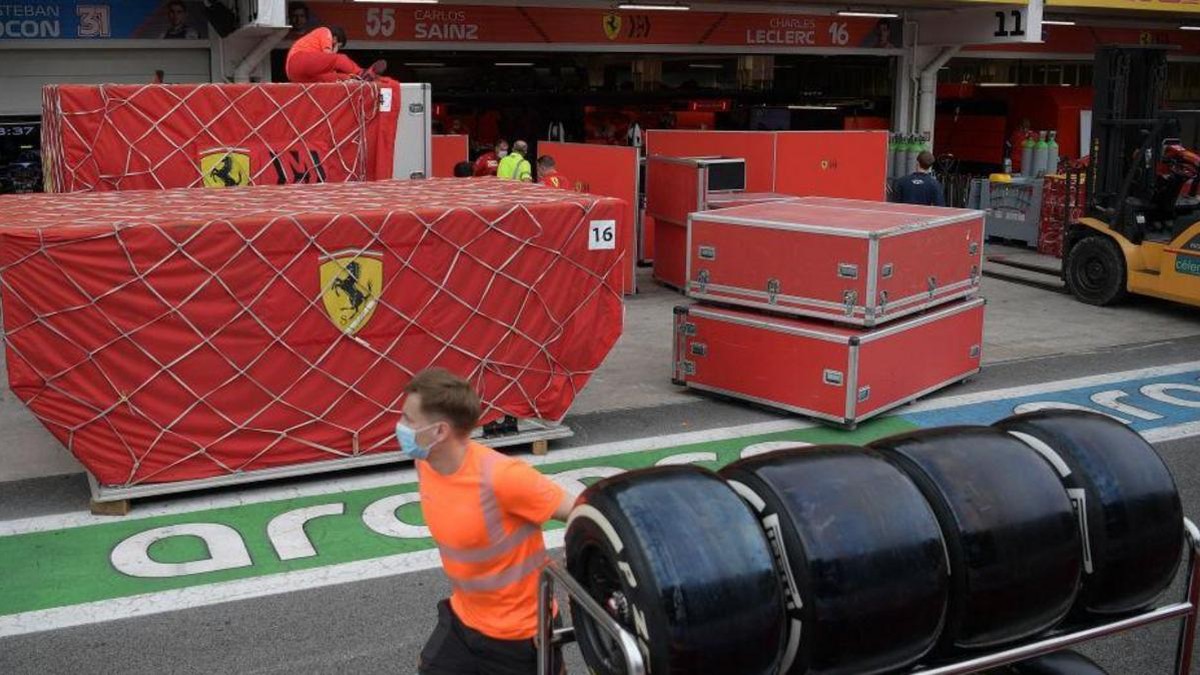
- Key drivers include shifting freight from air to sea, doubling investment in sustainable aviation fuel, and F1's first investment in sustainable maritime fuel, according to ESG head Ellen Jones
- Calendar rationalisation is producing measurable gains: running the Miami and Canadian Grands Prix consecutively in 2025 cut logistics and travel emissions by nearly 3%, and moving the Japanese GP to spring groups it with the Australian and Chinese races
Why It Matters
F1's 2030 net-zero commitment requires a minimum 50% absolute emissions cut from 2018, and the sport is already at 35% with five years remaining — meaning roughly two-thirds of the target has been hit without slowing the calendar's global expansion. The bigger near-term test is whether the 2026 sustainable fuel mandate and continued air-to-sea freight shifts can close the remaining gap while race counts keep growing.
Sources Cited
Related Coverage
The day’s news in one short email, every morning.
Free. One email a day. Unsubscribe in one click.