Germany's EV Surge Hits 37% as BEVs Outpace Combustion
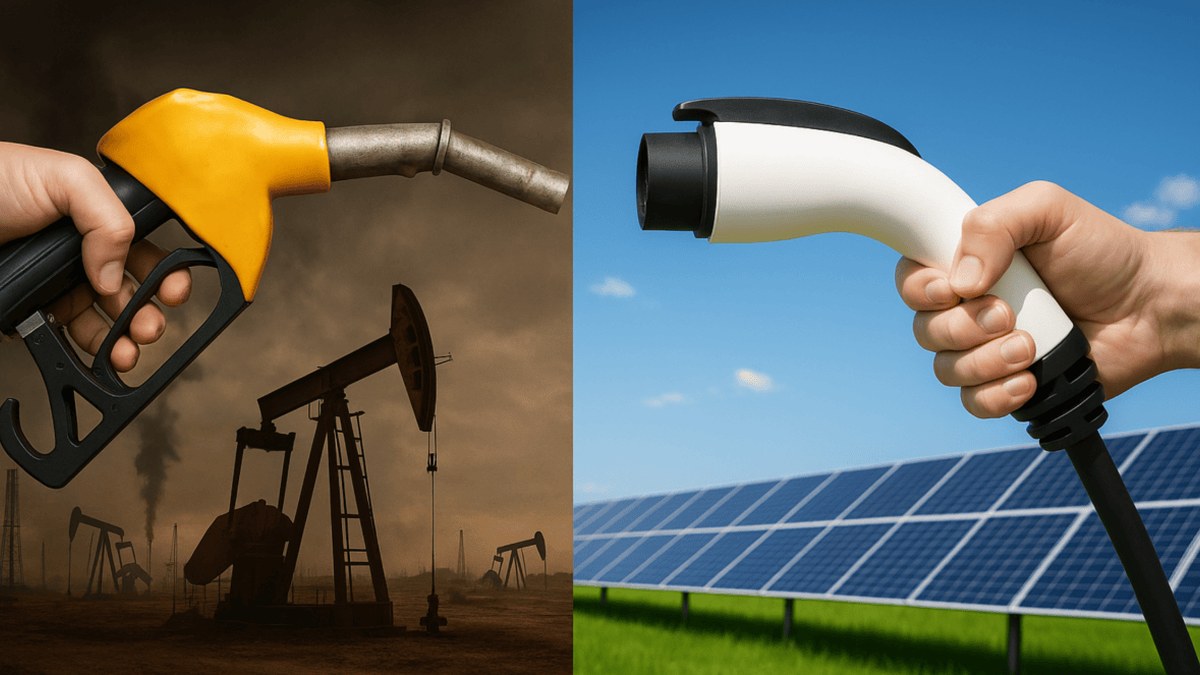
The 30-Second Skim
- What happened: In October 2026, battery-electric vehicles (BEVs) made up 37% of new car registrations in Germany, totaling 94,086 units—outpacing gasoline and diesel cars combined. This shift occurred amid a 1.7% rise in overall registrations, with combustion vehicle sales sharply declining.
- Key facts & numbers: BEV registrations surged 79.5% year-over-year to 94,086 in October, while gasoline and diesel registrations fell to 38,516 and 23,882 units, respectively. Germany surpassed the VDA’s 2026 BEV forecast of 693,000 units by October, with 698,230 already registered year-to-date.
- What happens next: With 875,000 BEVs projected by year-end, Germany’s EV momentum will test automakers’ production capacity and policy continuity, especially as the €3,000 buyer incentive remains central to sustained demand through 2027.
Why It Matters
Germany’s EV transition is accelerating faster than industry projections, signaling a structural shift in consumer behavior driven by targeted subsidies and energy cost concerns. The 21.1% drop in average new car CO2 emissions to 79.4 g/km reflects tangible environmental progress, but domestic automakers like VW and Opel are losing ground despite strong EV demand.
The rise of Chinese brands like BYD, Leapmotor, and MG underscores global competitive pressures, while German OEMs face margin erosion and restructuring. This imbalance highlights the cost of delayed electrification strategies and inconsistent policy support, with long-term implications for Germany’s industrial leadership and energy resilience.
How Outlets Are Framing It
- [Electrek / Tech-Driven Transition Lens]: Emphasizes consumer responsiveness to affordability, framing the 37% BEV share as proof that policy incentives rapidly drive mass adoption when aligned with buyer needs.
- [Mezha.net / Market Data Lens]: Focuses on registration statistics and powertrain comparisons, presenting the milestone as a neutral market shift rather than a policy victory.
- [Editorial / Industrial Risk Lens]: Highlights the irony of German automakers losing domestic EV market share despite leading in volume, underscoring strategic missteps and global competition risks.
Background & Timeline
- June 2026: BEVs became the top-selling powertrain in Germany for the first time, capturing 28.4% of the market, marking a turning point in consumer adoption.
- December 2023: Germany abruptly ended its prior EV incentive, triggering a sales collapse in 2024, a cautionary precedent for current subsidy dependence.
Sources Cited
Related Coverage
Ask SkimNews