GM Energy Shows Home Batteries Cut Power Costs
The 30-Second Skim7 points
- What happenedHome batteries are being reframed from emergency backup to a financial tool that lets homeowners store cheap electricity and avoid soaring time‑of‑use rates. Jim Reilly of GM Energy highlights how the system can act as a private fuel station for EVs, while real‑world pricing spikes in Illinois show a 20 kWh battery’s value can jump from $2 to $70. This transforms the solar‑plus‑battery combo into a hedge against volatile utility bills and an investment that pays off in a decade.
- Key facts & numbersComEd saw electricity rates in Illinois spike from $0.10/kWh to over $2/kWh during extreme weather, making a 20 kWh battery’s value jump from $2 to $70. Jim Reilly of GM Energy calls his setup “energy dominance,” using solar and a battery to fuel his EV with cheap, self‑generated electricity. Homeowners typically break even on a solar‑plus‑battery system after about 10 years, then enjoy another 10‑15 years of low‑cost energy production.
- What happens nextTurns out your garage battery can be a cheap EV charger and a profit‑making stash of electrons—stop thinking it’s just a flashlight.
- ComEd saw electricity rates in Illinois spike from $0.10/kWh to over $2/kWh during extreme weather, making a 20 kWh battery’s value jump from $2 to $70.
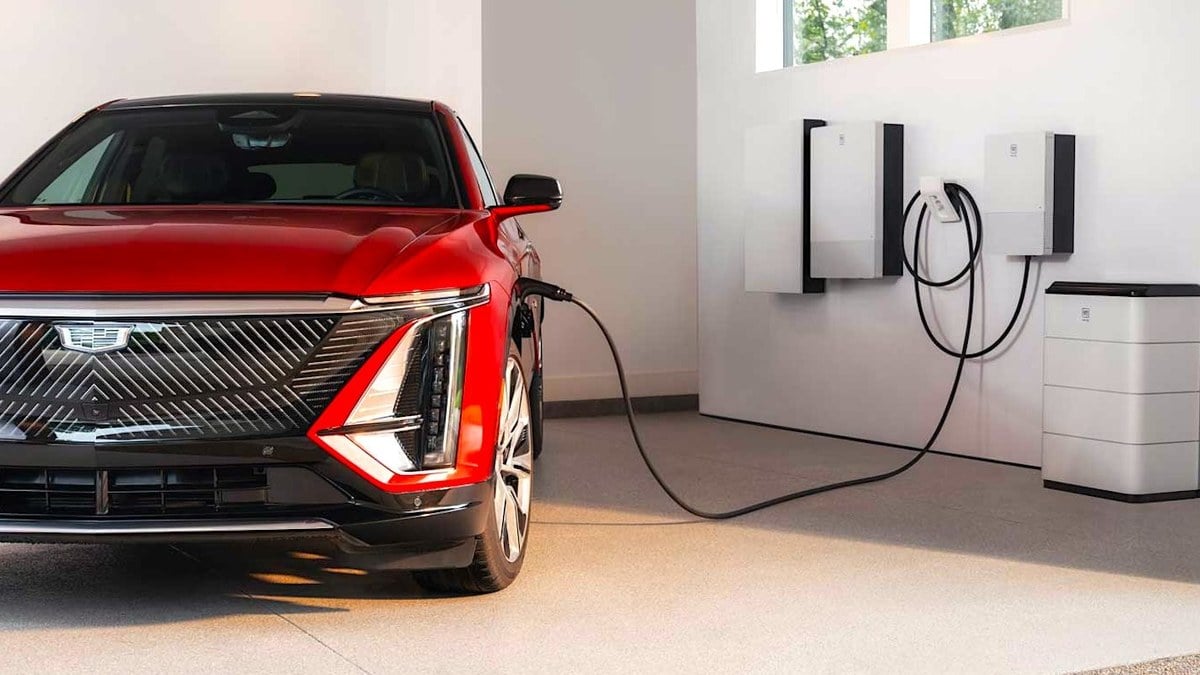
- Jim Reilly of GM Energy calls his setup “energy dominance,” using solar and a battery to fuel his EV with cheap, self‑generated electricity.
- Homeowners typically break even on a solar‑plus‑battery system after about 10 years, then enjoy another 10‑15 years of low‑cost energy production.
- Time‑of‑use pricing sometimes dips into negative values, letting users “stock up” on electrons at near‑zero cost and discharge when rates surge.
Why It Matters
Homeowners gain up to $70 per 20 kWh battery during price spikes, cutting monthly bills and reducing reliance on utilities, while utilities lose revenue from shifted demand. This stabilizes household budgets and eases grid stress.
Background & Timeline
- ContextThe financial value of home batteries is increasingly tied to grid volatility and dynamic pricing, shifting their primary utility from emergency readiness to active energy market participation.
Sources Cited
- The New York TimesThe 3 Best Portable Power Stations of 2026 | Reviews by Wirecutter
Related Coverage
Ask SkimNews
The day’s news in one short email, every morning.
Free. One email a day. Unsubscribe in one click.