GM becomes first automaker to partner with Redwood across full battery lifecycle
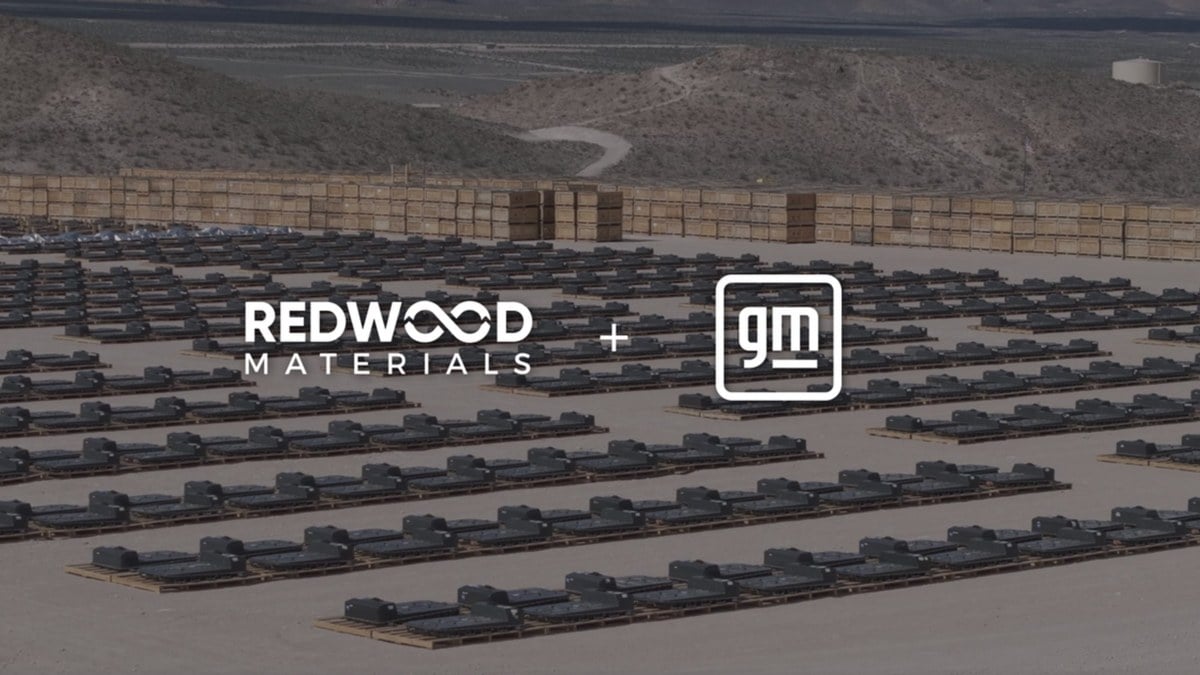
The 30-Second Skim
- What happened: GM and Redwood Materials have completed a full‑cycle battery partnership, adding a 1.5 MW second‑life storage system at a Michigan plant and securing a steady feedstock of scrap and end‑of‑life packs.
- Key facts & numbers: General Motors expanded its partnership with Redwood Materials to include manufacturing scrap recovery, end‑of‑life recycling, and second‑life energy storage at a Michigan plant, becoming the first automaker to cover the full battery lifecycle with JB Straubel’s firm. Redwood will install a 1.5 MW / 7.2 MWh energy storage system built from roughly 100 repurposed GM battery packs at the Michigan factory, projected to save the plant over $3 million in electricity costs over its lifetime. Redwood has already processed more than 28,000 metric tons of material from GM and Ultium Cells for recycling and has a pipeline of 10,000 EV packs for repurposing through its Redwood Energy division.
- What happens next: Redwood just locked GM into a full‑cycle battery loop, turning scrap into savings and storage.
- General Motors expanded its partnership with Redwood Materials to include manufacturing scrap recovery, end‑of‑life recycling, and second‑life energy storage at a Michigan plant, becoming the first automaker to cover the full battery lifecycle with JB Straubel’s firm.
- Redwood will install a 1.5 MW / 7.2 MWh energy storage system built from roughly 100 repurposed GM battery packs at the Michigan factory, projected to save the plant over $3 million in electricity costs over its lifetime.
- Redwood has already processed more than 28,000 metric tons of material from GM and Ultium Cells for recycling and has a pipeline of 10,000 EV packs for repurposing through its Redwood Energy division.
- Redwood Energy, launched in mid‑2025, uses the company’s Pack Manager software to combine mixed‑chemistry and degraded packs into a single dispatchable storage asset.
Why It Matters
GM saves over $3 million in electricity costs and gains a low‑cost disposal route for aging packs, while Redwood secures a reliable supply of 28,000 + metric tons of scrap and 10,000 EV packs, cementing its position as the dominant U.S. second‑life battery provider after Ascend Elements’ bankruptcy.
Sources Cited
Related Coverage
Ask SkimNews