GM is betting on battery cells that don’t use lithium
The 30-Second Skim
- What happened: GM is partnering with Peak Energy to develop sodium-ion battery cells for grid-scale energy storage, betting the technology can undercut the lithium-iron phosphate systems that dominate today's stationary market.
- Key facts & numbers: GM partnered with Peak Energy to develop next-generation sodium-ion battery cells for grid-scale energy storage (not EVs), with GM Ventures making a strategic investment and GM retaining exclusive manufacturing rights while developing the cells in its Michigan battery labs. Peak Energy claims its passively cooled sodium-ion platform cuts energy storage costs by 20% versus conventional lithium-iron phosphate systems, delivers more than 99% uptime, and could reduce annual US battery-storage energy waste by up to 2 terawatt-hours. Sodium-ion batteries use more abundant, lower-cost materials than lithium-based batteries, but their energy density is too low for EVs, restricting them to stationary storage applications.
- What happens next: Sodium-ion can't power a car - density is too low. It's purely about cheapening the grid, and the 2 TWh waste reduction claim is wild if Peak delivers.
- GM partnered with Peak Energy to develop next-generation sodium-ion battery cells for grid-scale energy storage (not EVs), with GM Ventures making a strategic investment and GM retaining exclusive manufacturing rights while developing the cells in its Michigan battery labs.
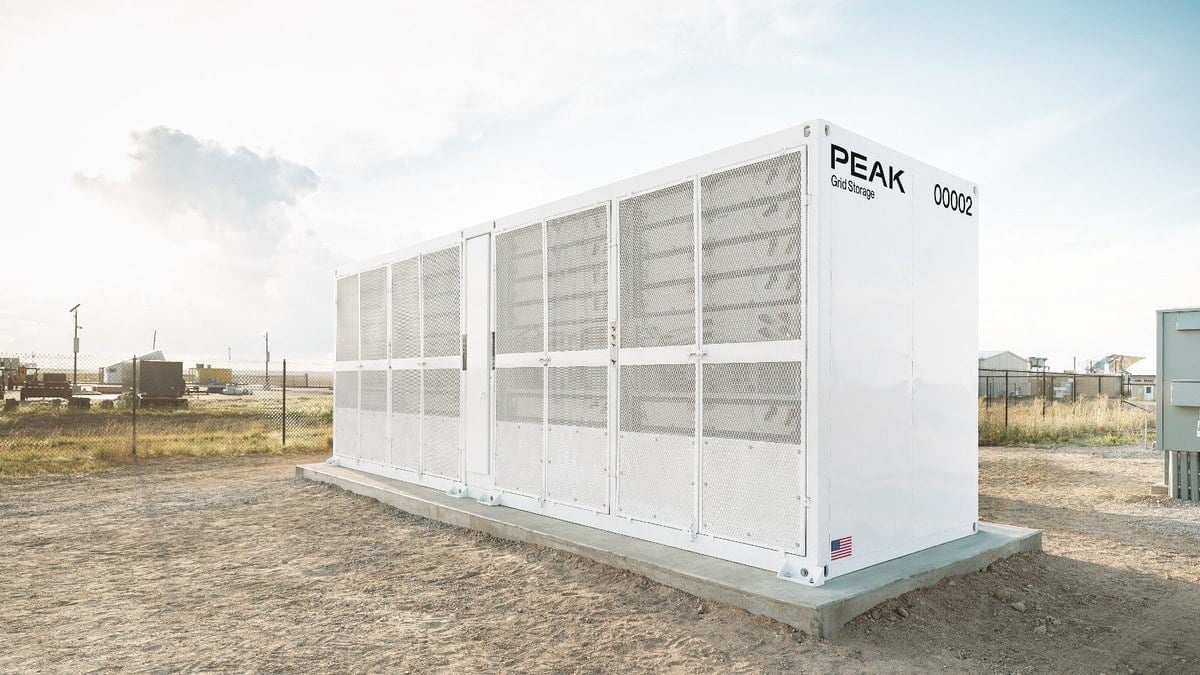
- Peak Energy claims its passively cooled sodium-ion platform cuts energy storage costs by 20% versus conventional lithium-iron phosphate systems, delivers more than 99% uptime, and could reduce annual US battery-storage energy waste by up to 2 terawatt-hours.
- Sodium-ion batteries use more abundant, lower-cost materials than lithium-based batteries, but their energy density is too low for EVs, restricting them to stationary storage applications.
- Kurt Kelty, GM's VP of battery and sustainability, argued "the application should determine the battery" and called sodium-ion the right solution for grid-scale stationary storage.
Why It Matters
Peak Energy's passively cooled sodium-ion design claims a 20% cost edge over the LFP systems that dominate stationary storage, and pairing it with GM's US manufacturing muscle targets a market growing fast on data center and AI buildout. If the cost math holds, utilities racing to add storage capacity get a domestically produced alternative that eliminates active cooling infrastructure entirely.
Sources Cited
- Electrek — GM is betting on battery cells that don’t use lithium
- Autoweek — GM Is Becoming an Energy Company—and Betting on Sodium-Ion Batteries
- Autoblog — GM May Skip The Cheap EV Battery Trend Before It Goes Mainstream
- InsideEVs — General Motors Is Bringing Sodium-Ion Battery Production To America
- TechCrunch — GM’s electric future depends on a new battery — and this facility
Related Coverage
Ask SkimNews