Google, Microsoft Fund Farm Carbon Removal; Crop Risk
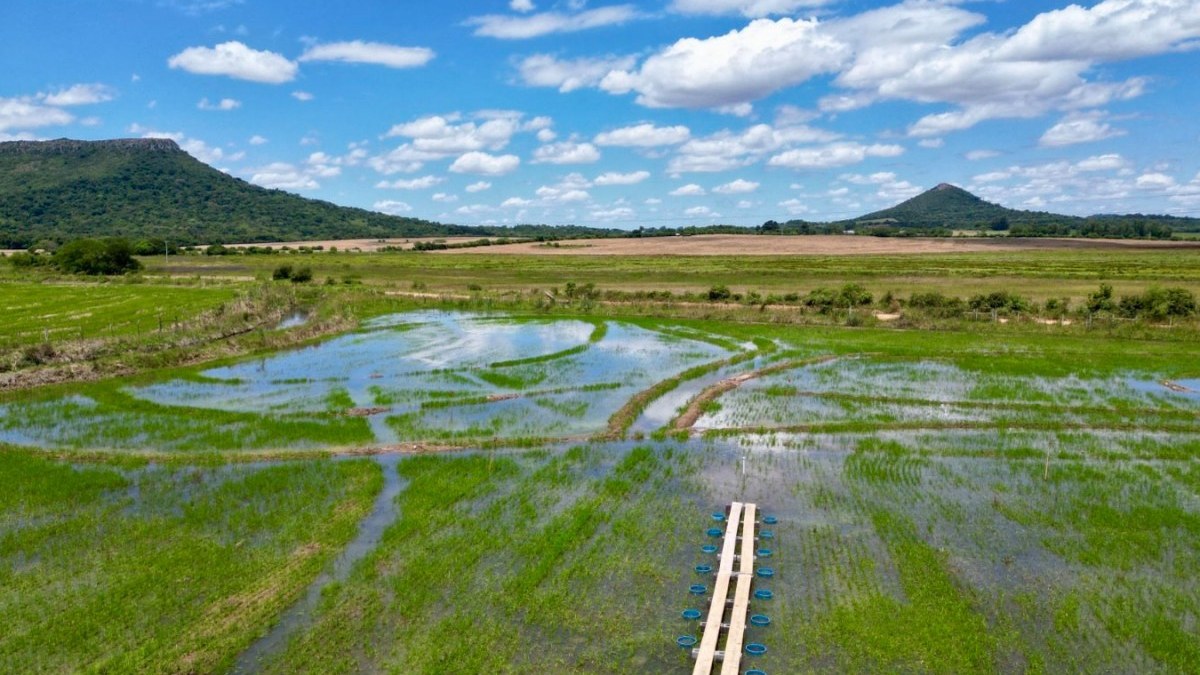
The 30-Second Skim
- What happened: Rock-based carbon removal is drawing hundreds of millions of dollars in tech funding, while its farm use for capturing atmospheric carbon is linked to a potential reduction in crop growth.
- Key facts & numbers: Tech companies including Google and Microsoft have committed hundreds of millions of dollars to startups spreading crushed basalt, olivine, and other alkaline materials across farms. Rock-based carbon removal aims to capture atmospheric carbon and lock it away, but lower crop growth is an eventual possibility for farms using the materials.
- What happens next: The headline foregrounds slower crops; the fuller story is Big Tech's nine-figure backing for putting alkaline rock on farms.
- Tech companies including Google and Microsoft have committed hundreds of millions of dollars to startups spreading crushed basalt, olivine, and other alkaline materials across farms.
- Rock-based carbon removal aims to capture atmospheric carbon and lock it away, but lower crop growth is an eventual possibility for farms using the materials.
Why It Matters
For farmers hosting the deployment, the trade-off is explicit: Google, Microsoft and other tech companies have committed hundreds of millions of dollars to spreading alkaline minerals on farms, while the approach carries a stated possibility of reduced crop growth. The carbon-removal push therefore links major technology-backed investment to an agricultural downside.
Sources Cited
- MIT Technology Review — Why using rocks for carbon removal could eventually reduce crop growth
Related Coverage
Ask SkimNews