Severe drought declared in southern England
The 30-Second Skim7 points
- What happenedParts of southern England are in severe drought for the first time under a new classification, triggering heightened environmental monitoring and leaving millions under hosepipe bans as reservoirs hit historically low levels.
- Key facts & numbersEnvironment Agency declared 'severe drought' in Cornwall, Devon, Dorset, Somerset, East Sussex, and West Sussex due to exceptionally low reservoir levels and prolonged dry weather UK water companies have imposed hosepipe bans across 11 regions, affecting roughly 30 million people in England and Wales to manage dwindling water supplies Ardingly Reservoir and Wimbleball Reservoir are among those at 'exceptionally low' levels, with England's reservoirs averaging just over half full—well below the typical three-quarters for this time of year
- What happens nextFirst-ever 'severe drought' call in UK history—and it’s not even summer anymore. The new classification finally activated after reservoirs hit half-full while winter rains failed to compensate.
- Environment Agency declared 'severe drought' in Cornwall, Devon, Dorset, Somerset, East Sussex, and West Sussex due to exceptionally low reservoir levels and prolonged dry weather
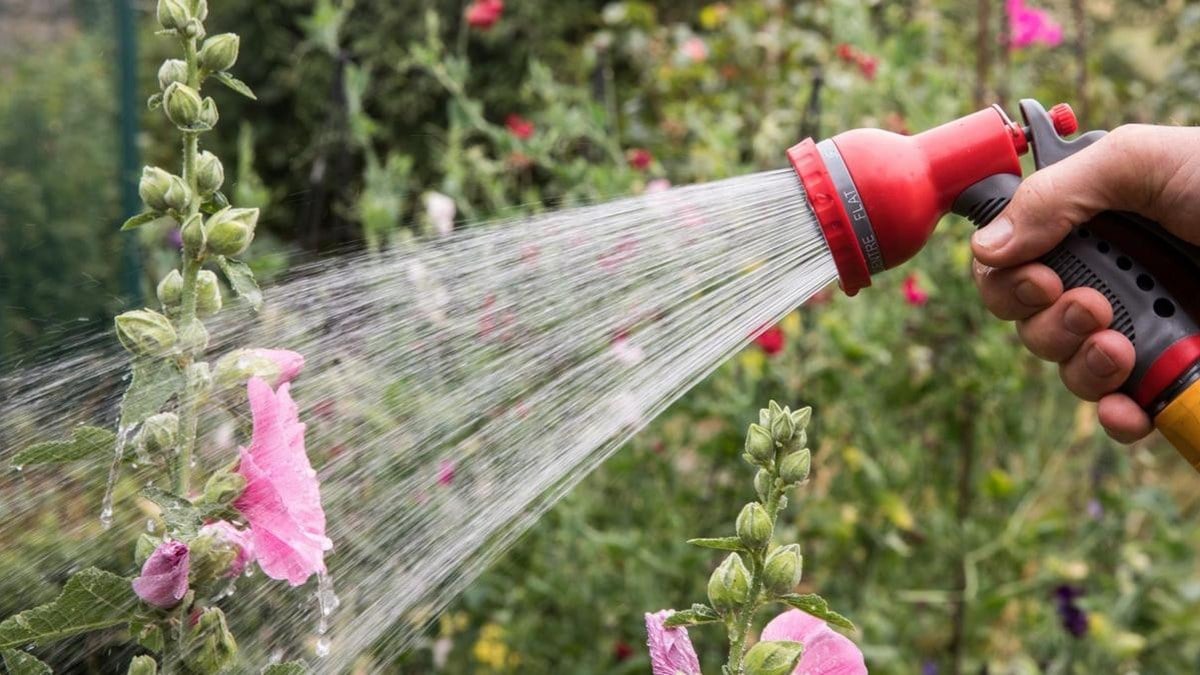
- UK water companies have imposed hosepipe bans across 11 regions, affecting roughly 30 million people in England and Wales to manage dwindling water supplies
- Ardingly Reservoir and Wimbleball Reservoir are among those at 'exceptionally low' levels, with England's reservoirs averaging just over half full—well below the typical three-quarters for this time of year
- Prof Alan MacDonald of the British Geological Survey noted that groundwater stores in southern England, while slow to respond, are now declining and increasingly below normal after months of dry conditions
Why It Matters
Water infrastructure strain is now acute in southern England, where underinvestment and climate-driven drying have combined to push reservoirs and groundwater to critical levels—forcing immediate conservation measures while nine planned reservoirs won’t come online until 2050, leaving supply vulnerable to recurring dry summers.
Sources Cited
Related Coverage
Ask SkimNews
The day’s news in one short email, every morning.
Free. One email a day. Unsubscribe in one click.