How wildfire litigation became big business in America
The 30-Second Skim
- What happened: Wildfire litigation in the U.S. has grown into a multibillion-dollar legal industry, driven by massive settlements against utilities after disasters like the Camp Fire, with firms now pursuing similar cases nationwide amid rising fire damage and questions about liability in a climate-changed world.
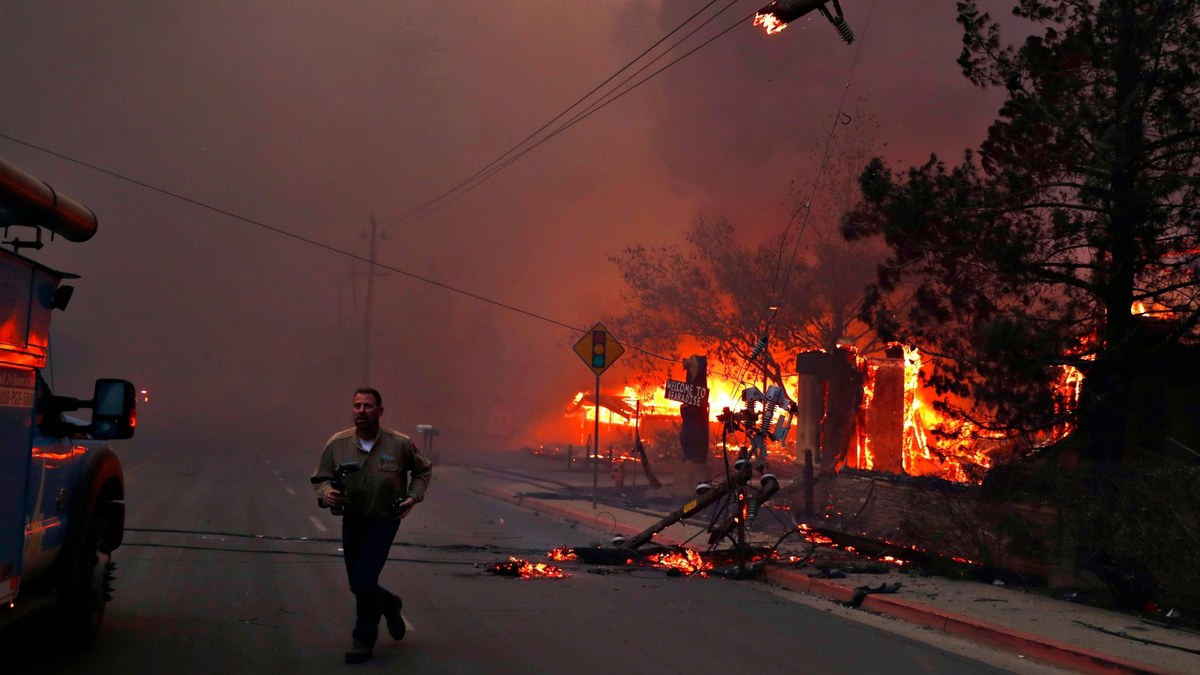
- Key facts & numbers: Pacific Gas and Electric Co. ignited the 2018 Camp Fire when a live wire broke from a 99-year-old transmission tower, leading to 85 deaths and the destruction of over 18,000 structures in Paradise, California. PG&E agreed to pay $13.5 billion in settlements for wildfires sparked by its equipment in 2017 and 2018, a sum that contributed to the company’s bankruptcy and set a precedent for utility liability in environmental disasters. Wildfire litigation has become a multibillion-dollar sector, with over $18 billion in settlements awarded or agreed to since 2017 across California, Hawaiʻi, Colorado, and Oregon, primarily targeting utilities like PG&E, PacifiCorp, and Xcel Energy.
- What happens next: The real story isn’t just more fires—it’s that liability is being funneled through utilities, making your recovery depend on who sparked the blaze, not how bad it was.
- Pacific Gas and Electric Co. ignited the 2018 Camp Fire when a live wire broke from a 99-year-old transmission tower, leading to 85 deaths and the destruction of over 18,000 structures in Paradise, California.
- PG&E agreed to pay $13.5 billion in settlements for wildfires sparked by its equipment in 2017 and 2018, a sum that contributed to the company’s bankruptcy and set a precedent for utility liability in environmental disasters.
- Wildfire litigation has become a multibillion-dollar sector, with over $18 billion in settlements awarded or agreed to since 2017 across California, Hawaiʻi, Colorado, and Oregon, primarily targeting utilities like PG&E, PacifiCorp, and Xcel Energy.
- Gerald Singleton and his firm Singleton Schreiber now employ dozens of lawyers and 200 staff focused exclusively on wildfire cases, having represented over 30,000 victims and recovered $3 billion in compensation since the mid-2000s.
Why It Matters
Utilities are absorbing financial responsibility for climate-amplified disasters despite limited control over broader fire risks, leading to higher electricity rates, reduced investment in fire prevention, and a growing legal industry profiting from mass torts—while victims without a deep-pocketed defendant, like those in the Palisades Fire, struggle to recover.
Sources Cited
Related Coverage
Ask SkimNews