Indonesia's Peat Fires Surge Amid El Niño Drought Crisis
The 30-Second Skim
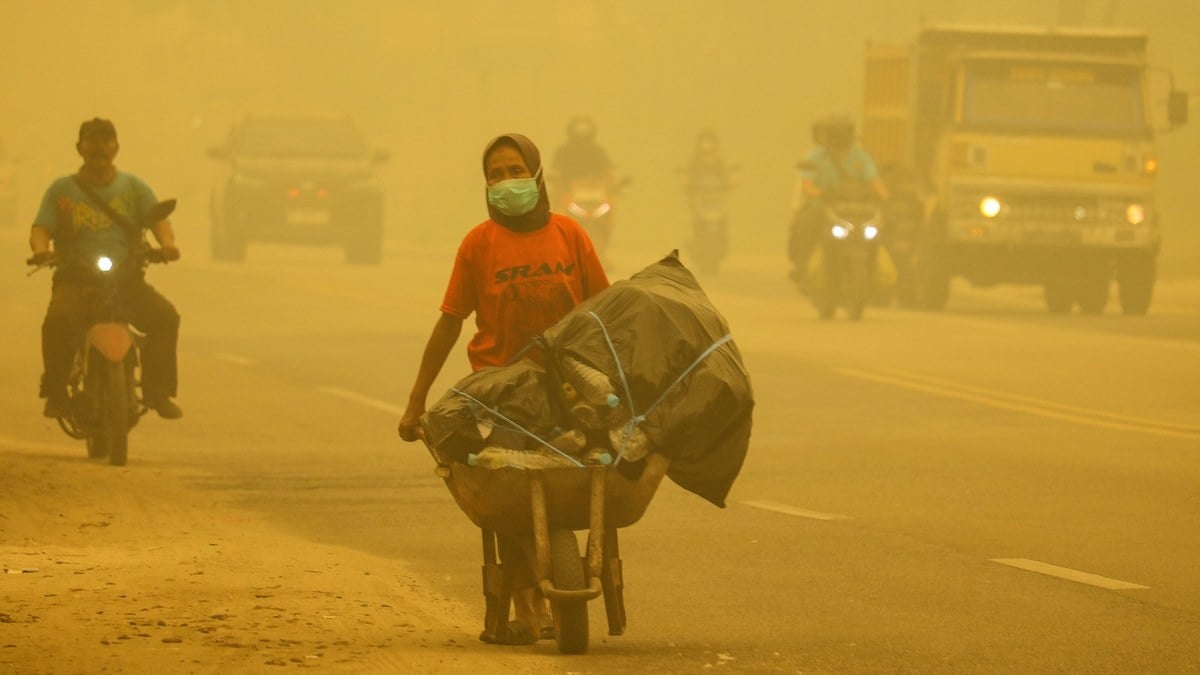
- What happened: Indonesia is enduring its worst wildfire season in ten years, with more than 4.6 million acres burned since August 2026, primarily in Kalimantan and Sumatra. Thick toxic haze has spread regionally, prompting mass health incidents and public protests.
- Key facts & numbers: Over 300,000 Indonesians have sought treatment for respiratory issues, and air quality in some areas exceeded unhealthy levels by 13 times. President Prabowo Subianto labeled the fires 'environmental terrorism' in a Cabinet meeting in October 2026.
- What happens next: Despite recent rainfall, officials warn underground peat fires may persist into the rainy season. The government plans investigations into those responsible and is assessing long-term fire management reforms.
Why It Matters
The crisis underscores the limits of policy in curbing environmental disasters despite prior reforms, including a 2014 ban on peatland drainage. With oil palm plantations driving deforestation, investors face growing ESG risks, and regional air quality impacts could strain ASEAN cooperation.
Long-term, recurring fires threaten Indonesia’s carbon reduction pledges and new capital development. The inability to prevent fires during a forecasted El Niño undermines confidence in climate adaptation strategies, especially as global warming intensifies drought cycles in the tropics.
How Outlets Are Framing It
- [Grist / Climate & Health Lens]: Focuses on public health catastrophe and climate vulnerability, emphasizing unfiltered building design and respiratory impacts on millions.
- [Down To Earth / Regional Environmental Risk Lens]: Highlights El Niño’s role in worsening drought and links fires to broader regional ecological instability in Southeast Asia.
- [Policy & Governance Lens]: Stresses institutional challenges, noting prior progress in deforestation reduction but failure to prevent fires despite early warnings.
Background & Timeline
- August 2014: Indonesia banned drainage canals on peatlands to prevent drying and reduce fire risk, a key policy shift after severe 1990s outbreaks.
- 2016: After a major fire season, the government launched large-scale peatland restoration and tightened deforestation controls, cutting forest loss for five years.
Sources Cited
Related Coverage
- What’s fueling Indonesia’s worst wildfire season in a decade?Grist
- Why is a peat fire so bad? BBC is in Indonesia to find outBBC Environment
- Indonesia Wildfires Spread Toxic Haze to 3 NationsGoogle News World
- ‘The physical toll is visceral’: How Indonesia’s fire haze affects millions - visual guideThe Guardian Environment
Ask SkimNews