Inland Rail installs solar‑powered level crossings
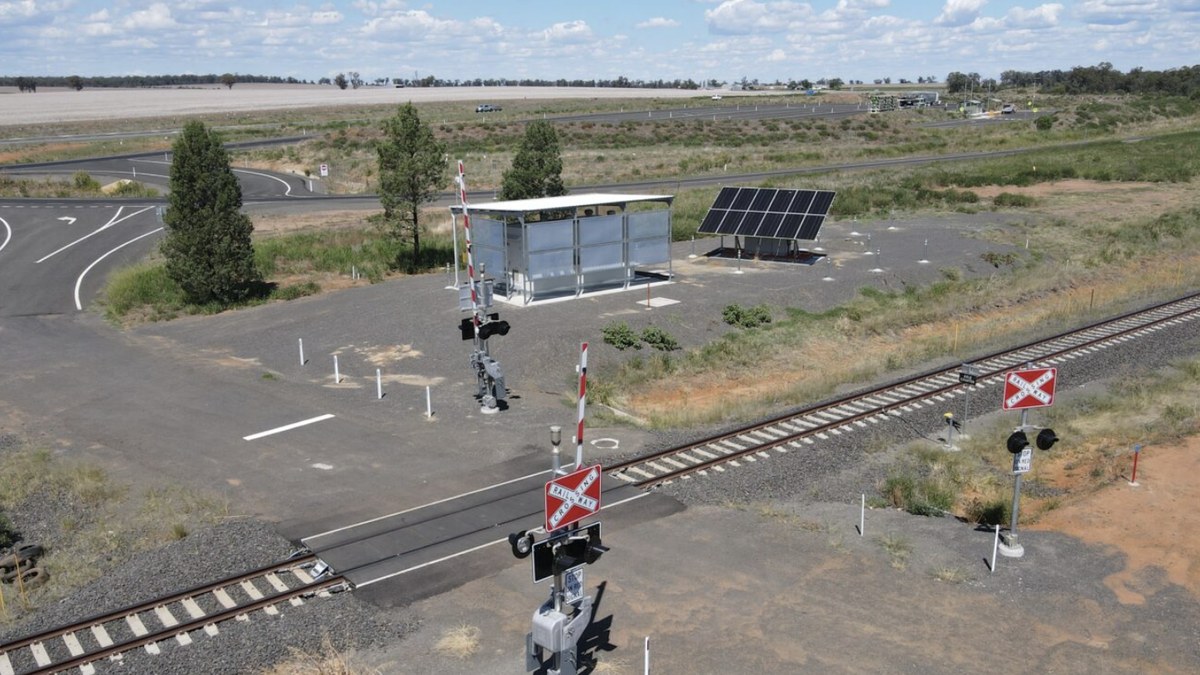
The 30-Second Skim
- What happened: Inland Rail has fitted two northern New South Wales level crossings with standalone solar power systems, enabling grid‑free operation, remote monitoring and enhanced safety as the 1,600‑km freight corridor nears completion.
- Key facts & numbers: Inland Rail installed standalone solar power systems (SAPS) at two level crossings in northern New South Wales, removing the need for grid connections during construction. Moree crossing, located north of Moree about 626 km northwest of Sydney, is one of the two sites equipped with the new solar power system. Narrabri crossing, situated roughly 97 km south of Moree, is the second site that received the solar‑powered system.
- What happens next: Inland Rail just went off‑grid at two NSW crossings—solar panels, batteries, remote alerts—cutting utility bills and boosting safety.
- Inland Rail installed standalone solar power systems (SAPS) at two level crossings in northern New South Wales, removing the need for grid connections during construction.
- Moree crossing, located north of Moree about 626 km northwest of Sydney, is one of the two sites equipped with the new solar power system.
- Narrabri crossing, situated roughly 97 km south of Moree, is the second site that received the solar‑powered system.
- Battery storage in each SAPS provides overnight operation and backup power, while built‑in communications enable remote monitoring and fault detection.
Why It Matters
Inland Rail avoids the expense and time of extending grid infrastructure to remote crossing sites, while the battery‑backed, remotely monitored solar units provide continuous warning lights, alarms and boom gates. Road users and rail operators gain a safer, more reliable crossing system without additional utility costs.
Sources Cited
Related Coverage
Ask SkimNews