Iran war sparks India LPG crisis, 600% price surge
The 30-Second Skim7 points
- What happenedThe U.S.-Israel war with Iran and Strait of Hormuz closure have triggered an LPG cooking gas crisis in India, with black-market cylinder prices surging 600%, restaurants shuttering, and rural households reverting to wood and coal — threatening global food systems.
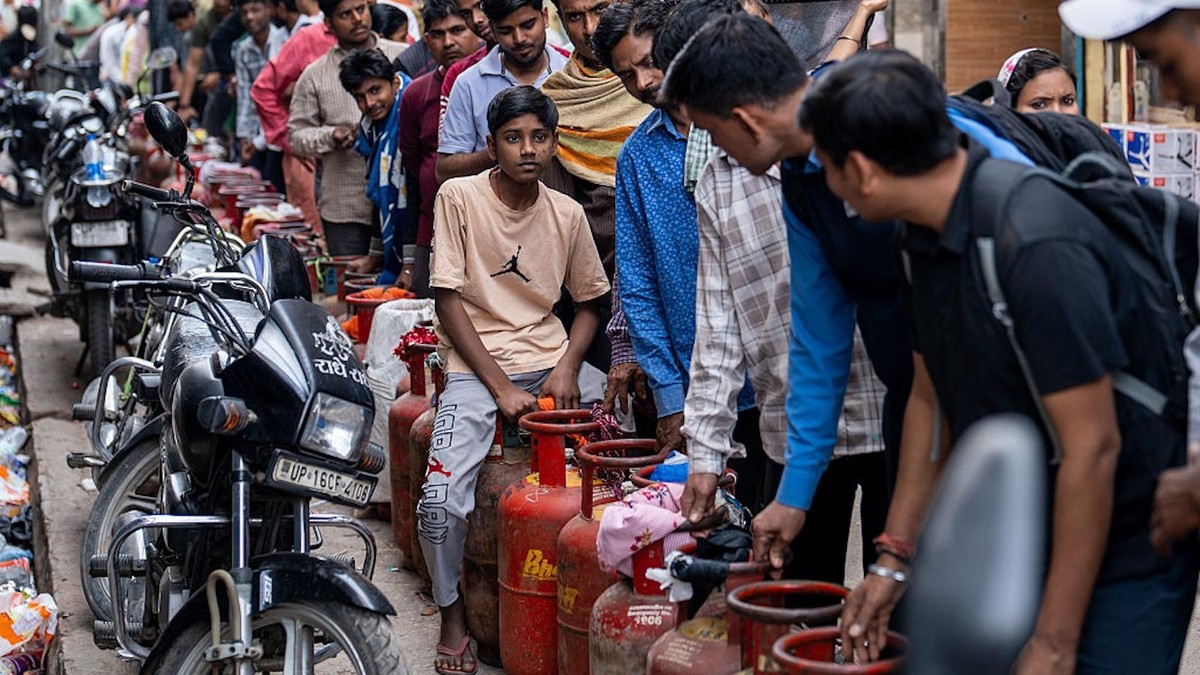
- Key facts & numbersSubhash Kapoor, a driver in Noida, was forced to buy an LPG cylinder for Rs. 3,600 (about $39) on the black market — more than triple his usual Rs. 900 price — after the Strait of Hormuz shutdown cut cooking gas supplies in early March. India imports roughly 60% of its LPG, with 90% of those imports coming from the Middle East, making it the world's second-largest LPG importer; Delhi-area black-market cylinder prices spiked 600% and gas agencies sent false 'allotment picked up' texts to households. Restaurants, hospital kitchens, school cafeterias, and Mumbai street food vendors have closed or stripped gas-heavy dishes like butter chicken and dosa from menus, with street vendors hiding black-market cylinders in gunny sacks for fear of seizure.
- What happens nextA decade of India's clean cooking progress is being undone in weeks — and the poorest women and kids are paying for it with their lungs.
- Subhash Kapoor, a driver in Noida, was forced to buy an LPG cylinder for Rs. 3,600 (about $39) on the black market — more than triple his usual Rs. 900 price — after the Strait of Hormuz shutdown cut cooking gas supplies in early March.
- India imports roughly 60% of its LPG, with 90% of those imports coming from the Middle East, making it the world's second-largest LPG importer; Delhi-area black-market cylinder prices spiked 600% and gas agencies sent false 'allotment picked up' texts to households.
- Restaurants, hospital kitchens, school cafeterias, and Mumbai street food vendors have closed or stripped gas-heavy dishes like butter chicken and dosa from menus, with street vendors hiding black-market cylinders in gunny sacks for fear of seizure.
- Lower-income rural households are reverting to burning wood, coal, charcoal, and food scraps, exposing women and children to indoor air pollution linked to heart and respiratory disease, according to Chelsea Marcho of the Food Security Leadership Council.
Why It Matters
The 600% black-market price surge in Delhi hits India's working-class LPG-dependent families hardest, while rural households — predominantly women and children — face the greatest health cost from reverting to solid-fuel cooking, reversing a decade of India's clean-cooking progress and threatening food security in multiple African and Asian nations if the Hormuz closure persists past 40 days.
Sources Cited
Related Coverage
The day’s news in one short email, every morning.
Free. One email a day. Unsubscribe in one click.