Iran's Dark Fleet Moves 1.5–1.7M bpd Through 'Closed' Hormuz
The 30-Second Skim7 points
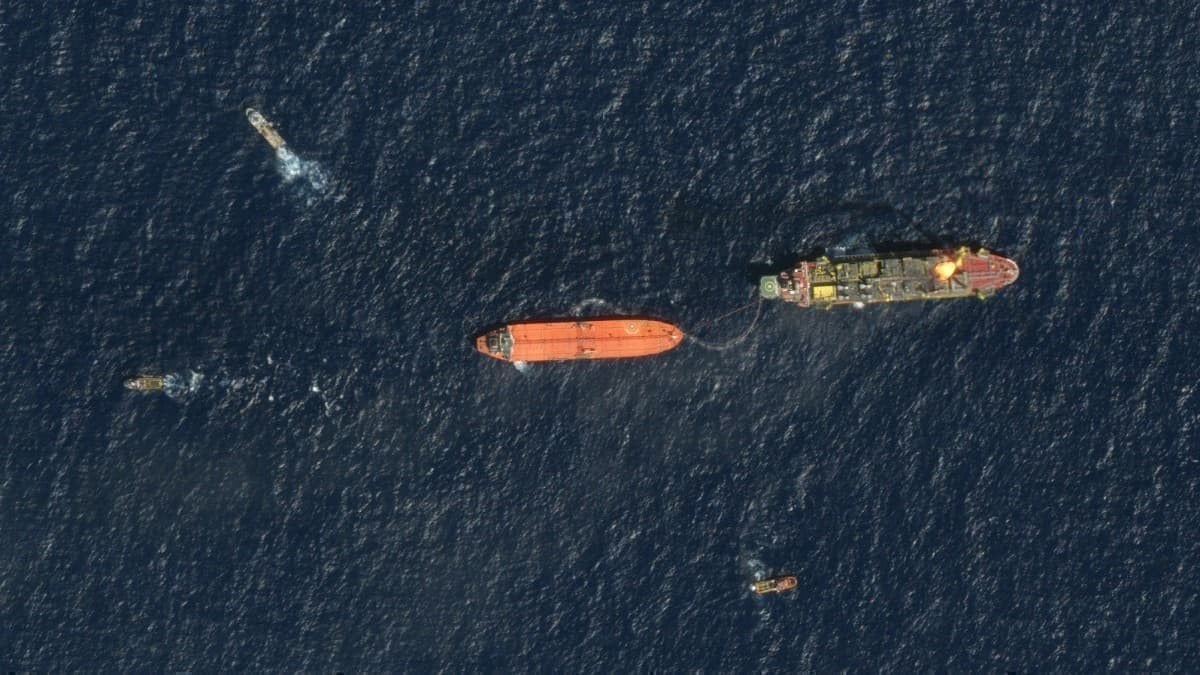
- What happenedIran's 'dark fleet' of sanctioned and opaque tankers is still moving 1.5–1.7 million bpd of crude through the Strait of Hormuz even as commercial traffic has collapsed by more than 90%, creating a parallel oil supply system that Western policymakers are quietly tolerating to avoid a historic supply shock.
- Key facts & numbersIran has kept crude exports at an estimated 1.5–1.7 million bpd — roughly pre-war levels — with more than 16 million barrels transiting Hormuz in March alone, according to intelligence cited in the source. Commercial traffic through the Strait of Hormuz has fallen more than 90% from normal levels, but the collapse is uneven: it applies primarily to Western-linked shipping and Gulf exporters, while Iranian-linked and sanctioned vessels continue moving with tacit or explicit tolerance from Iranian naval forces. At least 25 laden Iranian tankers have been operating inside the Gulf as part of the shadow system, collectively handling tens of millions of barrels since the conflict began, and at least 40 vessels were observed disabling AIS signals at the conflict's start.
- What happens nextThe 'closed' strait isn't closed — it's Iranian-controlled. Markets pricing in total supply collapse are missing the 1.5–1.7M bpd still flowing under the radar.
- Iran has kept crude exports at an estimated 1.5–1.7 million bpd — roughly pre-war levels — with more than 16 million barrels transiting Hormuz in March alone, according to intelligence cited in the source.
- Commercial traffic through the Strait of Hormuz has fallen more than 90% from normal levels, but the collapse is uneven: it applies primarily to Western-linked shipping and Gulf exporters, while Iranian-linked and sanctioned vessels continue moving with tacit or explicit tolerance from Iranian naval forces.
- At least 25 laden Iranian tankers have been operating inside the Gulf as part of the shadow system, collectively handling tens of millions of barrels since the conflict began, and at least 40 vessels were observed disabling AIS signals at the conflict's start.
- Iran has built a floating storage buffer of up to 140 million barrels of crude held at sea, serving as both a revenue stabilizer and a strategic reserve, while also activating the Jask terminal on the Gulf of Oman — nearly 1 million bpd of capacity that bypasses Hormuz entirely.
Why It Matters
The Hormuz crisis is not choking off supply — it is rerouting it through a sanctioned, opaque system dominated by Iran and ultimately feeding Chinese demand. With 15–20% of global oil and LNG flows already disrupted and a full Iranian cutoff threatening historic price spikes, Washington has effectively accepted a bifurcated oil market in which sanctions enforcement is now subordinated to the goal of preventing a supply shock.
Sources Cited
- Crude Oil Prices Today | OilPrice.comHow Iran's Dark Fleet Is Quietly Keeping Oil Markets Afloat
- Kleinman Center for Energy PolicyThe Dark Side of Shipping: Why Oil Prices Aren’t Rising
Related Coverage
Ask SkimNews
The day’s news in one short email, every morning.
Free. One email a day. Unsubscribe in one click.