Voters reject public power in Ann Arbor and Kitsap County
The 30-Second Skim
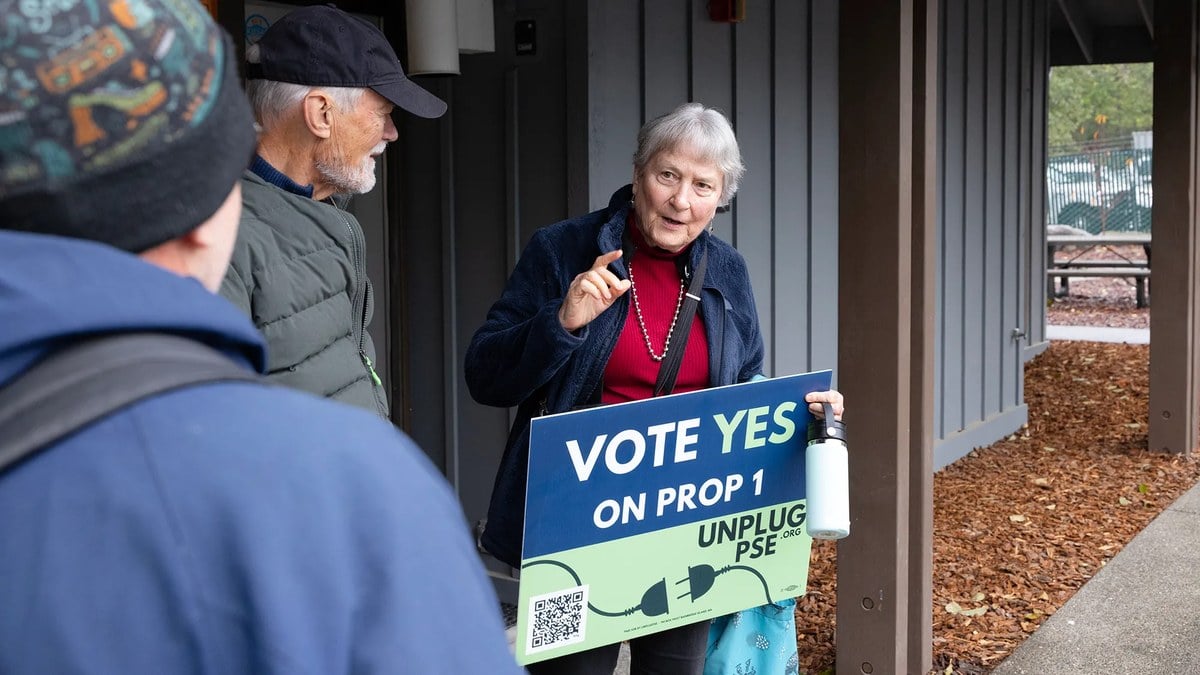
- What happened: In the 2023 midterms, voters in Ann Arbor and Kitsap County defeated proposals to establish public power utilities, even as rising electricity costs and climate concerns fueled broader progressive gains.
- Key facts & numbers: Puget Sound Energy spent $2.3 million opposing Kitsap’s measure; DTE Energy spent $1.8 million in Ann Arbor. Kitsap’s proposal received 42% support, falling short by a single-digit margin.
- What happens next: Kitsap County could revisit public power in 2028 after a feasibility study, while Ann Arbor’s pilot renewable program continues despite the failed ballot measure.
Why It Matters
The defeats underscore the structural barriers to public power expansion, even amid rising voter frustration with for-profit utilities. Private utilities’ financial dominance in local campaigns and control over grid infrastructure create high entry costs for public alternatives.
While public power offers lower rates and faster decarbonization in proven cases like Jefferson County, the lack of pre-vote feasibility studies and the threat of eminent domain disputes weaken public confidence. This dynamic risks locking in fossil-fuel-dependent utilities despite local clean energy goals.
How Outlets Are Framing It
- Climate and energy press (e.g., Grist): Focuses on the tension between voter anger over utility costs and the failure to adopt public power as a structural solution to climate and affordability crises
- Local Michigan and Washington coverage: Emphasizes the grassroots campaigns and local economic pressures, highlighting resident testimonials about unaffordable bills and utility opposition spending
- Utility and business press lens: Likely underscores the financial risks and complexity of municipalization, reflecting messaging from DTE and Puget Sound Energy about cost and reliability concerns
Background & Timeline
- 1930s: Washington voters passed a ballot initiative allowing communities to form public utility districts, catalyzing a wave of public power development supported by Bonneville Power Administration
- 2008: Jefferson County, Washington, successfully established a public utility district, achieving carbon-free power and lower rates than neighboring for-profit service areas
Sources Cited
Related Coverage
Ask SkimNews